2026 Best Organic Panko for Global Buyers?
Choosing the 2026 best Organic Panko requires more than checking an organic logo. Global buyers need evidence, consistency, and dependable supply.
The FiBL and IFOAM Organics International report valued the global organic market at approximately €136 billion in 2023. It also recorded nearly 99 million hectares of certified organic farmland. These figures show stronger demand, but they do not guarantee better panko. Buyers must examine the flour, oil, seasoning, processing site, and packaging separately.
The Organic Trade Association reported that United States organic food sales reached about $67.6 billion in 2023. Retail growth is important. Foodservice demand matters too. Restaurants need crisp crumbs that brown evenly, absorb less oil, and remain stable after freezing.
Food-systems researcher Dr. Carolyn Dimitri offers a useful warning: “Organic certification describes production methods, not automatic nutritional superiority.” That distinction matters. A certified product may still vary in texture, moisture, sodium, and allergen controls.
Real quality appears in small details. Imagine opening a 10-kilogram bag and finding pale, evenly cut flakes with a clean wheat aroma. That is a stronger buying signal than attractive packaging alone.
Still, this evaluation has limits. Organic Panko specifications differ across regions and suppliers. Some claims require laboratory verification. Others depend on cooking trials. Buyers should compare certificates, current test reports, batch samples, and shipment records before selecting a long-term partner.
The best choice in 2026 will not simply be the cheapest certified crumb. It will be the product that combines verified organic status, stable performance, transparent sourcing, and practical delivery reliability.
What Organic Panko Is and How It Differs from Conventional Breadcrumbs
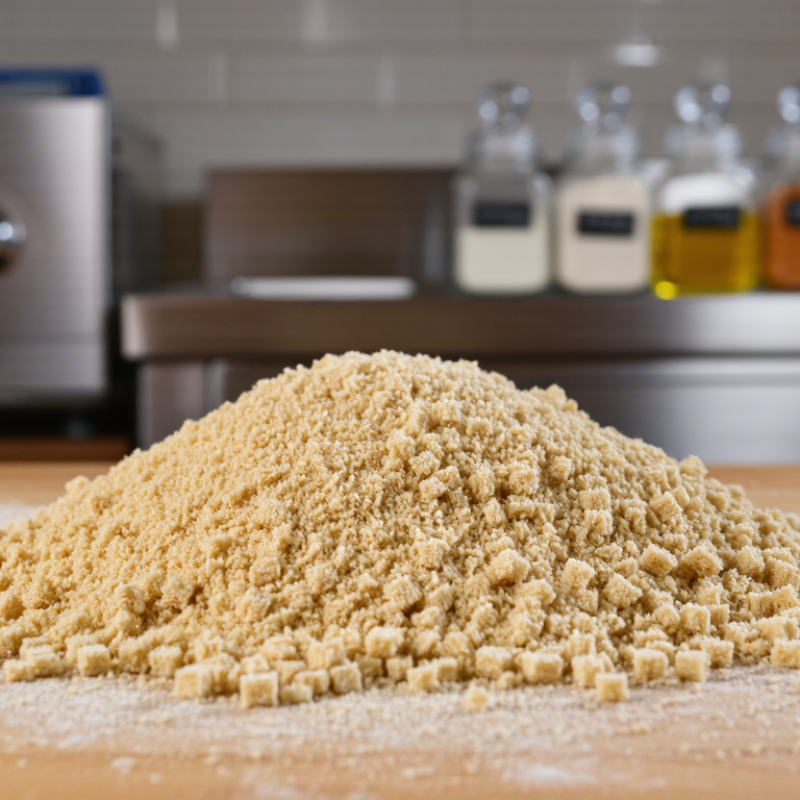
Organic panko is a light, flaked breadcrumb made from organically grown grain. Its airy structure creates a crisp coating with less heaviness than many fine breadcrumbs. The flakes often look like small white shards, not powder. Organic refers to farming and processing standards, not automatically better taste or texture. Certification rules differ by market, so global buyers should check the relevant authority and documentation.
Conventional breadcrumbs may contain refined flour, additives, or processing aids, depending on the supplier. Organic panko usually requires certified ingredients and stricter handling controls. However, texture varies between batches. I have found that moisture, flake size, and packaging can change frying results more than the organic label itself. That detail is easy to overlook. Panko often absorbs less oil than dense crumbs, but cooking temperature still matters.
Tips: Request the organic certificate, ingredient list, allergen statement, and recent laboratory reports. Check whether the product contains only grain and salt, or additional ingredients. Test a small sample in your intended recipe. Observe color, crunch, oil uptake, and breakage after cooling. Also confirm shelf life and carton protection before ordering internationally. A supplier’s clear records are useful, but they should not replace independent verification.
2026 Best Organic Panko for Global Buyers? - What Organic Panko Is and How It Differs from Conventional Breadcrumbs
| Buyer Dimension | Organic Panko | Conventional Breadcrumbs | Global Buying Consideration |
|---|---|---|---|
| Definition | Japanese-style coarse bread flakes made from ingredients that meet applicable organic-production requirements. | Breadcrumbs produced from conventionally farmed or processed bread ingredients; particle size may range from fine to coarse. | Confirm whether the product is legally labeled “organic” in the destination market. |
| Primary ingredients | Usually organic wheat flour, water, yeast and salt; formulations may also include organic oil, sugar or other permitted ingredients. | Commonly wheat flour, water, yeast, salt and optional oil, sugar, seasonings or processing aids. | Request the full ingredient statement and verify that every claimed organic ingredient is supported by documentation. |
| Flake structure | Typically large, light and irregular flakes that create a crisp coating when fried, baked or air-fried. | Often finer and denser, although conventional panko can also have a coarse flake structure. | Specify particle-size distribution, fines percentage and visual appearance in the product specification. |
| Texture after cooking | Generally produces a light, airy and crunchy coating; actual performance depends on moisture, flake size and cooking method. | Fine crumbs tend to form a denser coating, while conventional panko provides a similar crisp texture to organic panko. | Run application tests with the buyer’s recipe, oil temperature or oven process before approval. |
| Organic status | Must comply with the organic rules of the certifying authority and the destination market; certification does not automatically mean “chemical-free.” | Not required to meet organic-production standards unless specifically certified and labeled as organic. | Check certificate scope, validity, product name, facility address and transaction documentation. |
| Additives and processing aids | Only substances permitted under the applicable organic standard may be used; “organic” does not necessarily mean additive-free. | May contain conventional dough conditioners, flavorings, colors or other permitted ingredients, depending on the formulation. | Request an additive declaration and confirm compliance with local food-additive regulations. |
| Allergen profile | Normally contains wheat and therefore gluten unless specifically formulated and certified otherwise; cross-contact with other allergens is facility-dependent. | Commonly contains wheat and gluten; additional allergens depend on the recipe and manufacturing site. | Obtain an allergen statement, cross-contact controls and destination-market label review. |
| Moisture and shelf stability | A dry product with shelf life determined by moisture, packaging, storage conditions and any added fats. | Also requires protection from moisture; shelf life varies by formulation and packaging. | Set measurable limits for moisture and water activity, then verify them through batch testing. |
| Typical applications | Breaded seafood, poultry, meat alternatives, vegetables, croquettes, baked toppings and foodservice coatings. | The same broad applications, with product selection based mainly on texture, cost and formulation requirements. | Match flake size and browning behavior to the intended application and cooking equipment. |
| Color and appearance | Usually pale cream to light golden, depending on flour, baking conditions and permitted ingredients. | May range from white to golden or brown, depending on the bread base and processing method. | Define acceptable color range, burnt particles and foreign-material limits in the specification. |
| Packaging options | Common formats include sealed retail bags, foodservice sacks and bulk cartons with an inner liner. | Available in similar formats, depending on the intended channel and order volume. | Evaluate barrier properties, tamper evidence, pallet configuration and packaging-language requirements. |
| Documentation to request | Organic certificate, specification sheet, ingredient statement, allergen declaration, certificate of analysis and traceability records. | Specification sheet, ingredient statement, allergen declaration, certificate of analysis and traceability records. | Documents should correspond to the exact product, manufacturing site and shipment lot. |
| Best selection criteria for 2026 | Verified organic status, clean and compliant formulation, consistent flake size, reliable food-safety controls and suitable packaging. | Consistent texture, competitive cost, compliant formulation and dependable supply. | Choose based on documented compliance and application performance rather than the organic claim alone. |
Note: Organic requirements, labeling rules, permitted ingredients and certification procedures vary by destination market. Buyers should verify current regulations and documentation before import or sale.