Global demand for convenient dessert formats is reshaping the foodservice packaging market. Grand View Research estimates that the global whipped cream market reached approximately USD 6.4 billion in 2023. Its forecast also indicates continued growth through 2030, supported by cafés, bakeries, hotels, and ready-to-use dessert products. This trend increases interest in reliable whipped cream can suppliers.
The packaging itself deserves equal attention. Smithers’ aerosol packaging research identifies food applications as an important segment within the wider aerosol industry. Buyers now examine more than unit price. They compare food-contact materials, valve performance, filling consistency, shelf-life protection, and transport durability. A can should survive warehouse handling, cold storage, and repeated movement across borders. Small details matter.
This guide reviews leading suppliers for global buyers in 2026. It considers manufacturing experience, documented quality systems, export capability, minimum order quantities, customization, and after-sales support. Suppliers with ISO 9001 systems, HACCP-based controls, or recognized food-contact compliance offer stronger evidence of operational reliability. However, certifications can vary by factory and destination market.
No ranking is perfect.
Market reports also use different product definitions, including aerosol cream, dairy toppings, and related dispensing formats. That limitation requires careful interpretation. Buyers should request current test reports, material declarations, product specifications, and sample orders before signing contracts. We focus on practical evidence, not attractive claims. The right whipped cream can supplier should combine consistent production with transparent communication, traceable documentation, and realistic delivery commitments. For international purchasing teams, that balance can reduce quality disputes and protect customer experience.
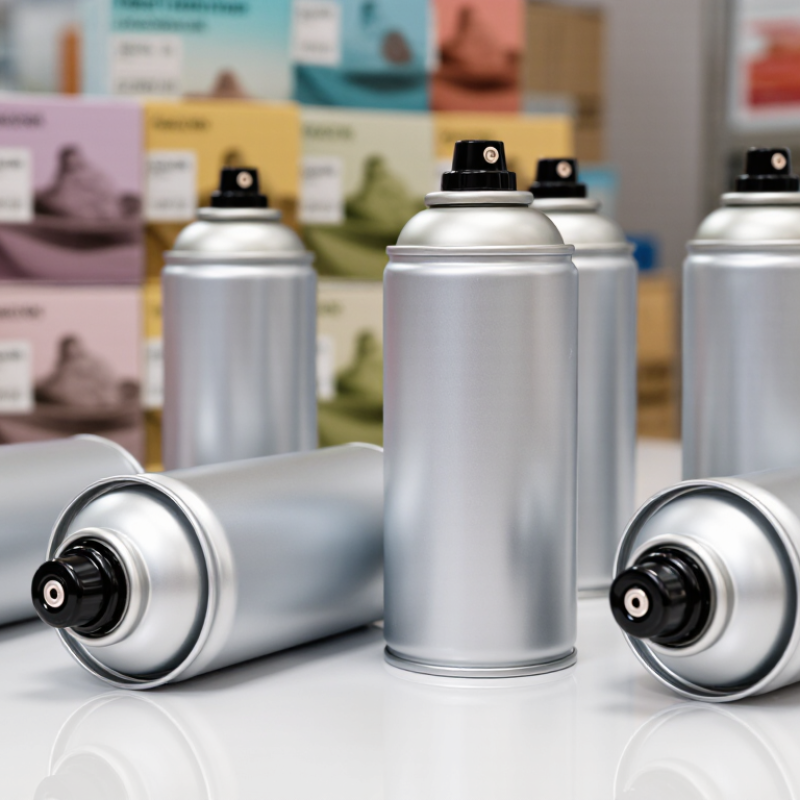
A leading whipped cream can supplier in 2026 offers more than attractive packaging and competitive prices. Buyers need documented control from raw material selection to final shipment. Food-contact materials should be clearly identified, tested, and supported by current compliance records. Each production batch should carry traceable information, including material origin, filling date, and inspection results.
Performance matters in real kitchens. A dependable can should maintain stable pressure, fit common dispensing systems, and deliver a consistent texture from the first serving to the last. Suppliers should test valve sealing, wall strength, leakage resistance, and storage behavior under changing temperatures. Clear technical sheets help purchasing teams compare specifications without guesswork. Small details matter.
Reliable communication is equally important. A capable supplier explains minimum order quantities, production capacity, lead times, and packaging options before accepting an order. It should also provide samples and respond quickly when a trial batch shows uneven dispensing. Environmental progress deserves careful review, too. Recyclable materials, reduced packaging, and efficient transport are useful, but vague claims are not enough. Ask for evidence. No supplier gets every forecast right. I would still question a perfect delivery promise, especially during seasonal demand. Practical partners share risks early, correct defects transparently, and improve processes after customer feedback. That behavior often reveals more than a polished catalog.
Global buyers assessing whipped cream can suppliers should begin with product architecture, not price. The main options include single-use pressurized cans, refillable stainless-steel dispensers, and small food-grade nitrous oxide chargers. Stainless-steel bodies resist dents and repeated washing better than aluminum. Aluminum remains lighter and often lowers freight costs. A 2024 Mordor Intelligence analysis valued the global aerosol cans market at over USD 13 billion, reflecting strong demand for reliable pressure packaging across food applications.
Material certificates matter. Suppliers should provide food-contact declarations, alloy specifications, internal coating details, and batch traceability. For chargers, consistent gas purity and clean filling reduce sputtering, weak foam, and unpleasant aftertaste. For dispensers, buyers should check valve accuracy, gasket durability, thread compatibility, and pressure resistance. Small details matter.
Performance testing should include leak checks, discharge consistency, temperature cycling, and shelf-life evaluation. ISO 9001 certification supports process control, but it does not prove every can performs well. The European Packaging and Packaging Waste framework also keeps recyclability under closer scrutiny, while global packaging reports continue to identify material recovery as a purchasing priority. Grand View Research’s 2024 food packaging study reported sustainability as a major buyer criterion, although real-world recycling access remains uneven. That gap deserves honest attention. A polished certificate cannot replace testing filled units under actual kitchen conditions. Suppliers should share test methods, sample results, and corrective-action records before large orders.
2026 Top Whipped Cream Can Suppliers for Global Buyers
Global buyers should evaluate capabilities, not attractive catalogs. Experienced sourcing teams check material traceability, food-contact declarations, pressure testing, and batch-level records. ISO 22000-based systems can indicate disciplined food-safety management, but certificates alone prove little. Ask for recent audit findings and corrective-action evidence. A supplier should explain can-wall thickness, valve performance, filling accuracy, and leak-test results in clear language. Small details matter.
UNCTAD’s Review of Maritime Transport 2024 states that over 80% of global trade volume moves by sea. Therefore, supplier evaluation must include export experience, port options, packaging protection, and disruption plans. Request average lead times, production capacity, and actual on-time delivery data. UNEP’s Food Waste Index Report 2024 estimated 1.05 billion tonnes of food waste in 2022. Reliable packaging cannot solve waste alone, but poor seals and inconsistent dispensing can create avoidable losses. That connection deserves more attention.
Tips: Compare three recent production batches, not one sample. Verify independent migration and pressure-test reports. Check whether technical documents match the delivered materials. Ask how complaints are investigated. A low quotation may still be rational, but unexplained price gaps deserve scrutiny. No scorecard is perfect. Recheck it after the first shipment.
Anonymous supplier capability benchmark for food-aerosol can sourcing and international procurement evaluation
| Supplier Profile | Primary Production Region | Can Construction | Typical Fill Sizes | Food-Contact Documentation | Quality-System Evidence | Key Testing Capability | Typical MOQ | Typical Production Lead Time | Export Readiness | Best Buyer Fit |
|---|---|---|---|---|---|---|---|---|---|---|
| Profile A | East Asia | Aluminum monobloc aerosol can; internal food-contact coating | 200 ml, 250 ml, 400 ml | Declaration of compliance; coating migration test reports; material traceability | ISO 9001; documented batch inspection and corrective-action procedures | Dimensional inspection, pressure testing, coating adhesion, leak testing | 50,000–100,000 cans | 35–55 days after artwork and specification approval | Standard export packing; palletized container loading; commercial export documentation | Large-volume private-label programs requiring lightweight packaging |
| Profile B | Central Europe | Tinplate aerosol can; internal lacquer suitable for food-contact applications | 250 ml, 300 ml, 500 ml | EU food-contact declaration; supplier material certificates; migration documentation | ISO 9001; HACCP-based process controls; documented supplier approval system | Seam inspection, internal-pressure testing, coating coverage, visual inspection | 30,000–80,000 cans | 30–45 days for standard specifications; longer for custom decoration | Strong regional logistics; multilingual technical documentation; established pallet standards | European buyers prioritizing compliance documentation and shorter transport routes |
| Profile C | South Asia | Tinplate aerosol can; printed or labeled exterior; standard valve-compatible neck | 200 ml, 250 ml, 400 ml | Food-contact coating declaration; ink and lacquer specifications; batch certificates available on request | ISO 9001 or equivalent documented quality procedures; in-process inspection records | Can-wall measurement, seam checks, coating inspection, sample leak testing | 20,000–50,000 cans | 40–60 days, depending on printing and component availability | Container-load export capability; buyer should verify export packaging and humidity protection | Cost-sensitive buyers ordering medium volumes and accepting longer transit planning |
| Profile D | North America | Aluminum or tinplate can supplied with compatible valve and actuator components | 250 ml, 400 ml, 500 ml | US food-contact compliance package; resin, coating, and component declarations | ISO 9001 or equivalent; formal change-control and product-release procedures | Pressure resistance, valve compatibility, dimensional control, filled-product stability trials | 50,000–150,000 cans | 25–45 days for repeat orders; initial qualification may require additional testing time | Domestic and cross-border logistics; documentation aligned with North American procurement processes | Retail and foodservice buyers requiring local technical support and repeat-order consistency |
| Profile E | Southeast Asia | Aluminum monobloc can with standard aerosol opening and food-contact internal coating | 200 ml, 250 ml, 400 ml | Food-contact declaration; coating technical data sheet; production-lot traceability | ISO 9001 or equivalent; documented incoming, in-process, and final inspection | Wall-thickness checks, coating inspection, leak testing, pallet-drop assessment | 30,000–80,000 cans | 35–50 days, plus ocean freight and destination customs clearance | Flexible port access; export packaging should be checked for high-humidity routes | Buyers serving Asia-Pacific markets and seeking balanced cost, capacity, and transport access |
| Profile F | Multi-region contract manufacturing network | Can supply, valve assembly, filling, and secondary packaging through coordinated facilities | 200 ml–500 ml, subject to line and component validation | Market-specific food-contact declarations; technical file maintained by product and destination market | ISO 9001; HACCP or food-safety plan; formal supplier-audit and change-notification process | Compatibility trials, pressure and leak testing, fill-weight control, shelf-life testing coordination | 100,000+ cans or finished units | 45–75 days for new projects; repeat programs may be scheduled quarterly | Multi-market labeling and documentation support; buyer should confirm legal-entity and plant-of-origin details | Global brands, distributors, and buyers needing integrated can-and-filling project management |
For global buyers, whipped cream cans require more than attractive pricing. Suppliers should provide food-contact material declarations, batch traceability, and current quality certificates. Check whether valves, seals, and coatings meet the destination market’s requirements. Requirements may differ across countries. Do not rely on a certificate issued for another region.
Packaging must protect the can during handling, storage, and customs inspection. Strong cartons, internal dividers, and secure pallet wrapping reduce dents and valve damage. Labels should show net contents, lot numbers, handling instructions, and importer details in the required language. For pressurized products, request the correct transport classification and safety documents. Air, sea, and road carriers may apply different restrictions. A supplier that answers slowly may create costly delays later.
Tips: Ask for a pre-shipment document pack. Include test reports, invoices, packing lists, and origin records. Confirm customs codes with a licensed broker. Never assume the cheapest carton is suitable; vibration testing can reveal weak packaging. Also review storage conditions, especially in hot ports or humid warehouses. No checklist is perfect. One overlooked language requirement can hold an entire shipment.
International Compliance, Packaging, and Shipping Considerations
The chart compares commonly used nitrous oxide charger formats by nominal filling volume. These products are generally treated as compressed gas articles for transport and require suitable packaging, hazard labeling, documentation, and carrier acceptance. Actual whipped-cream output varies with dispenser size, pressure, temperature, and operating technique.
For global buyers, the best whipped cream can supplier depends on the target market. North American buyers often prioritize large-volume production, fast delivery, and compatibility with common dispenser valves. European buyers usually examine food-contact documentation, recyclable steel content, and strict traceability. Asia-Pacific markets may value smaller minimum orders, flexible printing, and local filling support. Middle Eastern buyers often need heat-resistant logistics and clear certification files.
IMARC Group and Mordor Intelligence market reports published in 2024 estimate the global whipped cream market at roughly USD 3–4 billion, with annual growth commonly forecast near 6–8%. The figures differ because some reports include dairy alternatives and foodservice products. This matters. A supplier focused on retail cans may not meet hotel or bakery demand. Buyers should compare can volume, propellant performance, valve consistency, leakage rates, and shelf-life testing. A low unit price can hide higher freight damage.
Tips: Request three production samples from each shortlisted supplier. Test spray texture after cold storage, room-temperature storage, and transport vibration. Ask for batch records, migration testing, ISO 9001 evidence, and food-contact compliance for the destination country. Suppliers with regional warehouses may reduce lead times, but storage conditions still require checking. I would not rely on catalogue photos alone; small valve differences can change foam stability noticeably. Also, recycled steel claims need verification through certificates, not only sales language.