The Benefits of Choosing Lactose Free Whole Milk for Your Health in 2025
As we move into 2025, the emphasis on personal health and wellness continues to grow, prompting individuals to seek dietary options that support their wellbeing. One such option gaining popularity is lactose free whole milk, a nutritious choice for both lactose-intolerant individuals and those looking to enhance their diet. Unlike traditional milk, lactose free whole milk is processed to remove lactose, making it easier to digest while retaining essential nutrients like calcium, vitamin D, and protein. This leads to various health benefits, including improved digestion and enhanced bone health, making it an ideal addition to a balanced lifestyle.
Moreover, the increasing awareness of the gut-brain connection has resulted in more people recognizing the importance of digestive health. Lactose free whole milk not only caters to those with lactose intolerance but also provides a creamy texture and rich flavor that appeals to all consumers. By choosing lactose free whole milk, individuals can enjoy the taste and nutritional benefits of milk without the discomfort often associated with lactose. As we highlight the advantages of this dairy alternative, it becomes clear that lactose free whole milk is more than just a trend; it is a valuable component of a health-conscious diet in 2025 and beyond.

The Nutritional Advantages of Lactose Free Whole Milk
Lactose-free whole milk has gained significant attention in recent years, especially as growing awareness of lactose intolerance elevates its popularity among consumers. In 2025, the emphasis on nutritional advantages makes lactose-free whole milk a compelling choice for those seeking a dairy option that aids in digestive comfort without sacrificing nutrition. According to industry reports, approximately 68% of the world's population experiences some degree of lactose malabsorption, underscoring the need for alternative dairy sources that provide essential nutrients without the discomfort often associated with lactose.
In terms of nutrition, lactose-free whole milk retains all the benefits of traditional whole milk, including high levels of calcium, vitamin D, and healthy fats. A study from the American Journal of Clinical Nutrition indicates that whole milk contributes to improved bone health and may reduce the risk of osteoporosis due to its complete nutrient profile. Moreover, lactose-free options have been shown to offer better digestibility for those with sensitivities, allowing more individuals to enjoy the rich flavors and benefits of dairy without adverse effects.
Tips: When choosing lactose-free whole milk, look for options fortified with extra vitamin D and calcium to maximize its health benefits. Additionally, incorporating it into smoothies or baking can enhance flavor while ensuring you receive essential nutrients without discomfort. Always consult nutrition labels to ensure you are selecting products that align with your health goals.
Understanding Lactose Intolerance and Its Impact on Health
Lactose intolerance affects a significant portion of the population, with estimates suggesting that around 68% of individuals worldwide experience some level of lactose malabsorption. This condition is particularly prevalent among certain ethnic groups, such as East Asian and African descents, where the ability to digest lactose decreases markedly after infancy. The implications of lactose intolerance extend beyond digestive discomfort; it can lead to a range of health issues including nutritional deficiencies, as those who are intolerant may avoid dairy products altogether, missing out on essential nutrients like calcium and vitamin D.
Choosing lactose-free whole milk can be a beneficial alternative, allowing individuals with lactose intolerance to enjoy the nutritional advantages of dairy without the adverse symptoms. Research published in health journals indicates that consuming lactose-free milk can help meet daily calcium requirements without triggering digestive issues. Moreover, whole milk is a rich source of healthy fats that are beneficial for brain health and can aid in the absorption of fat-soluble vitamins. For those concerned about both their digestive health and overall well-being, lactose-free options offer an effective solution, enabling them to enjoy dairy in a manner that promotes health rather than discomfort.
Comparative Analysis: Lactose Free Milk vs. Regular Milk
When comparing lactose-free whole milk to regular milk, one of the most significant differences lies in their digestibility. Lactose-free milk is treated with the enzyme lactase, which breaks down lactose into simpler sugars, making it easier for individuals with lactose intolerance to digest. Regular milk, on the other hand, contains lactose, which can lead to discomfort and digestive issues for those who are sensitive. This fundamental distinction can influence the dietary choices of many, particularly in a society where digestive health is increasingly prioritized.
Another key consideration is nutritional value. Both lactose-free and regular whole milk contain similar levels of proteins, vitamins, and minerals, such as calcium and vitamin D. However, some consumers report a sweeter flavor profile in lactose-free milk due to the breakdown of lactose into glucose and galactose. This natural sweetness may encourage individuals to consume it more regularly, potentially leading to an increase in overall dairy intake. For those aiming to enhance their nutritional health while avoiding the adverse effects of lactose, lactose-free whole milk serves as a suitable alternative that maintains comparable health benefits without the digestive complications associated with regular milk.
The Benefits of Choosing Lactose Free Whole Milk for Your Health in 2025 - Comparative Analysis: Lactose Free Milk vs. Regular Milk
| Nutrient |
Lactose Free Whole Milk |
Regular Whole Milk |
| Calories (per cup) |
150 |
150 |
| Protein (grams) |
8 |
8 |
| Fat (grams) |
8 |
8 |
| Calcium (mg) |
276 |
276 |
| Vitamin D (IU) |
100 |
100 |
| Lactose Content |
0g |
12g |
| Digestibility |
Easier for lactose intolerant individuals |
May cause discomfort for lactose intolerant individuals |
Health Benefits of Whole Milk: Calcium, Vitamins, and More
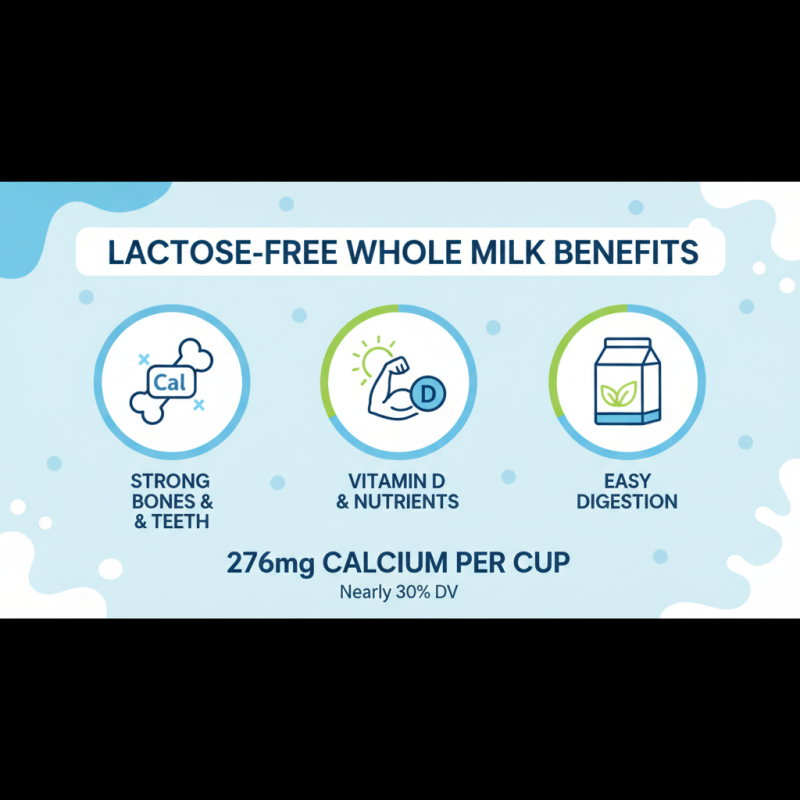
Choosing lactose-free whole milk has become increasingly popular among health-conscious individuals, particularly for its numerous benefits. Whole milk is an excellent source of essential nutrients, including calcium, vitamin D, and other vital vitamins and minerals. According to the National Institutes of Health, a single cup of whole milk provides about 276 mg of calcium, which is nearly 30% of the recommended daily intake for adults. This essential mineral is crucial for maintaining strong bones and teeth, particularly for those who are lactose intolerant and may avoid traditional dairy products.
In addition to calcium, whole milk is rich in vitamins A and B12, both of which play significant roles in maintaining overall health. Vitamin A is key for vision, immune function, and skin health, while B12 is vital for the production of red blood cells and the optimization of brain health. Furthermore, a study published by the American Journal of Clinical Nutrition indicates that the healthy fats present in whole milk can aid in the absorption of fat-soluble vitamins, enhancing their efficacy in promoting health and wellness. Thus, incorporating lactose-free whole milk into one's diet not only caters to those with lactose intolerance but also supports overall nutritional needs effortlessly.
Choosing Lactose Free Whole Milk: Practical Tips and Considerations
Choosing lactose-free whole milk has become increasingly popular in recent years, and for good reasons. According to a report from the International Dairy Federation, nearly 65% of the global population experiences some degree of lactose intolerance, leading many to seek alternatives that do not compromise nutritional value. Lactose-free whole milk offers a creamy taste and essential nutrients, including calcium, vitamin D, and high-quality proteins, making it an excellent choice for both those with lactose intolerance and those who simply prefer it.
When selecting lactose-free whole milk, there are several practical tips to consider. Firstly, check the nutritional label to ensure you are getting a product that is fortified with vitamins and minerals, particularly calcium and vitamin D, which are crucial for bone health. Additionally, consider the source of the milk; opting for grass-fed cows may provide higher concentrations of beneficial fatty acids. Finally, be aware of the storage and handling recommendations to maintain freshness and taste. As the demand for lactose-free products continues to grow, the market is anticipated to expand significantly, projected to reach $25 billion by 2026 according to a recent market analysis report. This trend indicates a shift toward healthier dietary choices that accommodate a wider range of dietary needs.