Top Benefits of Fat Free Milk Nutrition for a Healthier Lifestyle?
Fat free milk nutrition has gained substantial attention in recent years. Research shows that dairy products can be beneficial for overall health. According to the National Dairy Council, fat-free milk is an excellent source of calcium and vitamin D. These nutrients play a critical role in bone health, especially in children and adolescents.
The low-fat content in fat-free milk makes it an appealing choice for those monitoring their weight. A study published in the American Journal of Clinical Nutrition highlights that low-fat dairy intake may aid in maintaining a healthy body weight. Moreover, incorporating fat-free milk into daily meals can contribute to heart health. The American Heart Association recommends low-fat and fat-free dairy as part of a balanced diet.
However, many overlook the importance of nutrition education. Despite its benefits, some individuals still prefer full-fat options. This raises questions about food choices and public awareness. Exploring fat-free milk nutrition offers an opportunity to reflect on our dietary habits and make informed decisions. Our understanding of nutrition can always improve, emphasizing the need for continuous learning in healthy eating practices.
Benefits of Fat Free Milk: Understanding Essential Nutritional Components
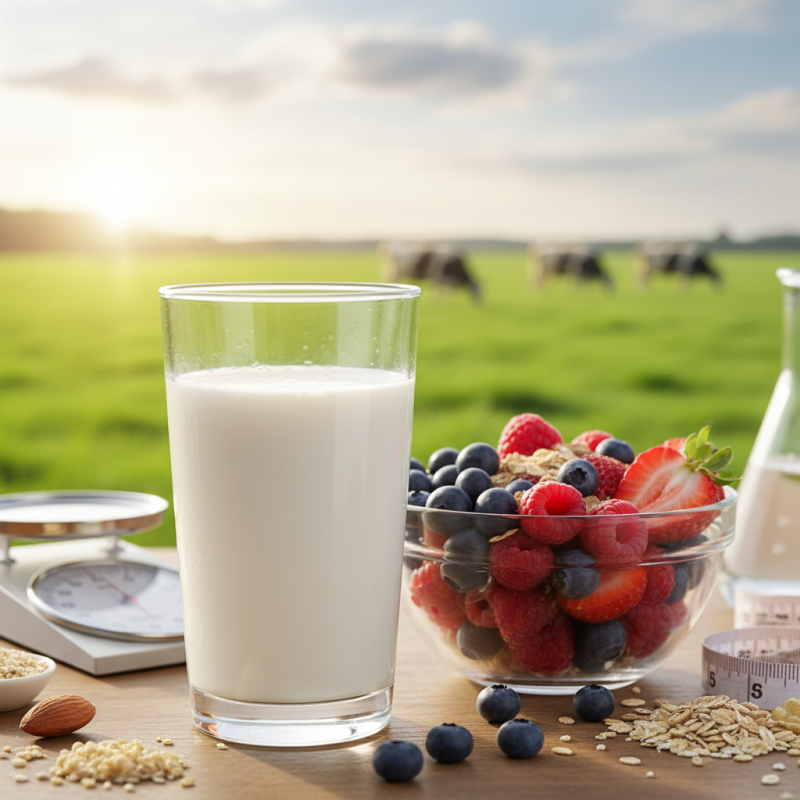
Fat-free milk is a valuable source of essential nutrients. It contains high-quality proteins that support muscle repair and growth. Each cup offers calcium, vital for strong bones. This is crucial for both kids and adults. Fat-free milk also has vitamin D, which helps with calcium absorption. This can be especially important in regions with limited sunlight.
In addition to protein and calcium, fat-free milk provides potassium. This nutrient aids in maintaining healthy blood pressure levels. It’s an easy way to increase your daily intake. The removal of fat makes it lower in calories, allowing for a nutrient-dense choice without the extra calories. However, some may find it lacks the creaminess of whole milk, leading to a need for adjustment.
Remember, dietary changes should suit your personal preferences. While fat-free milk offers benefits, not everyone may enjoy it. Exploring different dairy options is essential. It’s vital to listen to your body and consider what makes you feel good. Balance and variety are key to a healthy lifestyle.
Top Benefits of Fat Free Milk Nutrition for a Healthier Lifestyle
| Nutritional Component |
Amount per 1 Cup (240ml) |
Health Benefits |
| Calories |
83 kcal |
Low-calorie option for weight management |
| Protein |
8 g |
Supports muscle growth and repair |
| Calcium |
306 mg |
Essential for bone health |
| Vitamin D |
3 µg |
Promotes calcium absorption |
| Potassium |
382 mg |
Helps regulate blood pressure |
| Riboflavin (Vitamin B2) |
0.4 mg |
Aids in energy production |
Comparison of Fat Free Milk and Whole Milk: Health Implications and Calories
When comparing fat-free milk and whole milk, the differences can be significant.
Fat-free milk contains no fat, making it lower in calories.
With approximately 80 calories per cup, it offers an appealing option for those watching their weight.
In contrast, whole milk has about 150 calories per cup, with a richer taste due to its higher fat content.
This difference can impact your dietary choices.
Many people find that switching to fat-free milk helps them reduce overall fat intake.
However, some may miss the creamy texture of whole milk.
Taste preferences vary from person to person, and it may take time to adjust.
Additionally, losing the flavor of whole milk can lead people to seek out other sources of indulgence.
Tips: If you’re not ready to give up whole milk completely, consider mixing fat-free and whole varieties.
Gradually reducing the fat content can help ensure a smoother transition.
Also, pay attention to how your body responds to these changes.
Everyone's nutritional needs are different, and what works for one may not work for another.
Make adjustments based on your energy levels and overall health.
Role of Fat Free Milk in Weight Management: Analyzing Recent Studies
Fat-free milk has gained attention in recent studies related to weight management. It contains essential nutrients without the extra calories from fat. Participants in weight loss programs who included fat-free milk showed a positive impact on their overall health. The protein and calcium in fat-free milk can also help in building muscles. This support can promote a healthier metabolism, which is crucial for weight management.
Tips for incorporating fat-free milk into your diet include adding it to smoothies. Smoothies can be delicious and filling, especially when paired with fruits. Consider using fat-free milk in your morning cereals too. It's a simple way to add nutrition. Also, use it in cooking to substitute cream. This can reduce saturated fat intake without compromising flavor.
While fat-free milk may be beneficial, it's essential to reflect on personal dietary needs. Not everyone thrives on the same nutrition plan. Some individuals might want higher fats for satiety. It’s good to observe how your body reacts. Listen to it. Adjust your choices based on what feels right and sustainable for you. Balance is key in any healthy lifestyle.
Vitamins and Minerals in Fat Free Milk: Their Impact on Bone Health
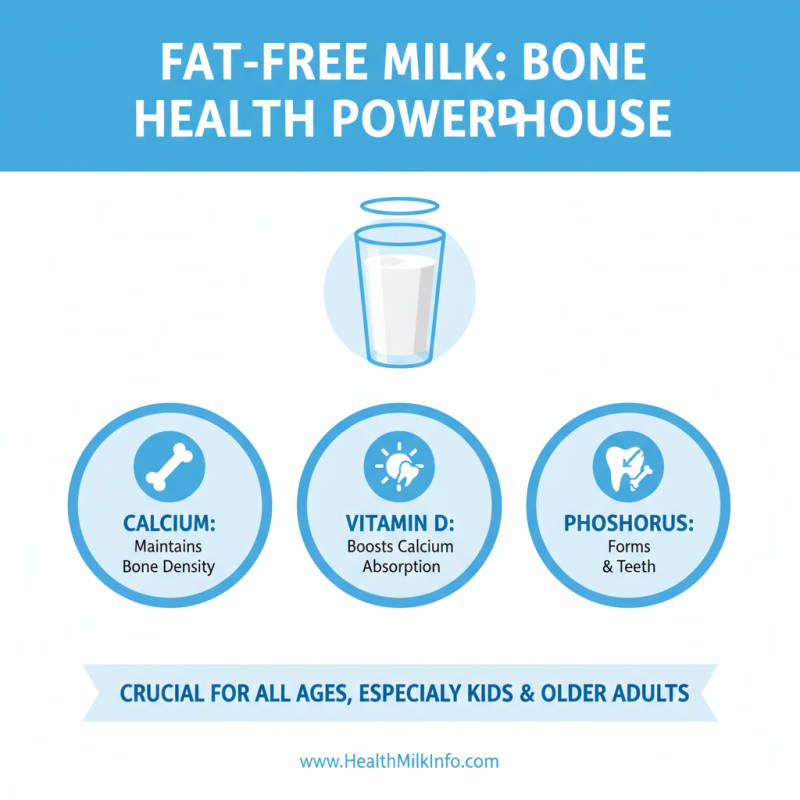
Fat free milk is a powerhouse of essential vitamins and minerals. It contains calcium, vitamin D, and phosphorus, all crucial for bone health. Calcium helps in maintaining bone density. This is vital, especially for growing children and older adults. Vitamin D enhances calcium absorption, making it easier for bones to strengthen. The presence of phosphorus also plays a role in forming bones and teeth.
Incorporating fat free milk into your diet can positively impact your daily nutrition. A glass provides a significant portion of your daily calcium needs. However, not everyone appreciates its taste. Some find it less creamy than whole milk. This can discourage people from making the switch. But the health benefits are hard to ignore. Regular consumption can help prevent osteoporosis in later years.
A common concern is lactose intolerance. Those affected might miss out on its benefits. However, lactose-free alternatives exist. They offer the same vitamins without the discomfort. Exploring these options can enhance bone health. Enjoying fat free milk in smoothies or with cereal can make it more appealing. Adapting one's diet is important for long-term health. It’s all about finding what works best for you.
Hydration and Fat Free Milk: Benefits for Physical Performance and Recovery
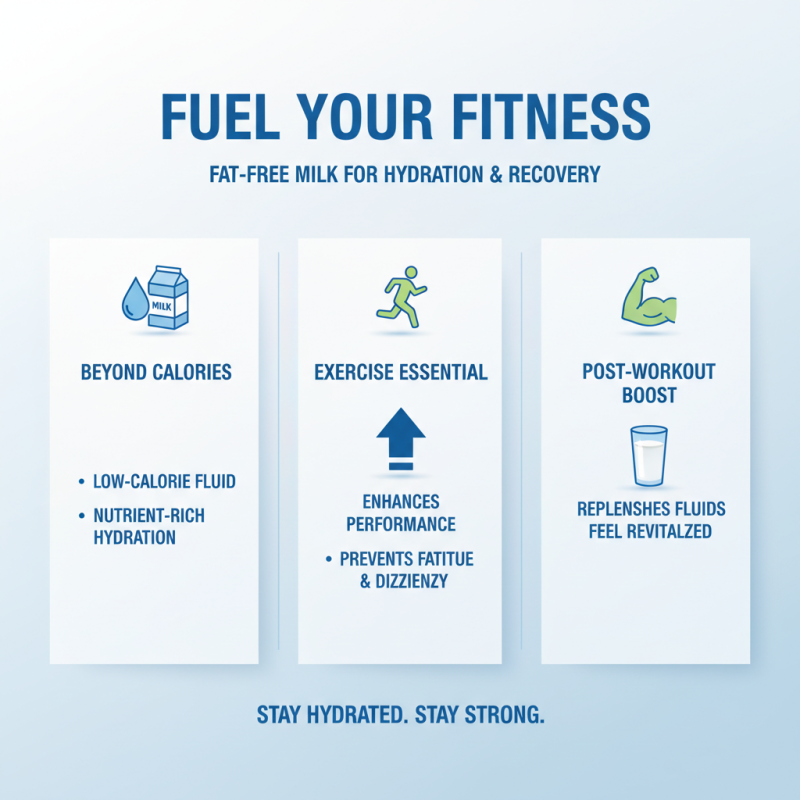
Fat free milk is not just a low-calorie option; it's a great way to enhance hydration. This is essential for anyone who exercises regularly. Staying hydrated can significantly impact your physical performance. When dehydrated, you may feel fatigued or dizzy. A glass of fat free milk can replenish lost fluids after a workout, helping you feel revitalized.
Additionally, fat free milk offers vital nutrients like calcium and potassium. These nutrients can support muscle function, aiding recovery after intense workouts. However, some people may overlook these benefits. They may prefer sugary sports drinks instead. It's important to recognize that whole foods often provide better nourishment. Fat free milk can serve as a simple and effective post-workout recovery drink.
While it offers many advantages, it's worth noting that some may find the taste less satisfying. Experimenting with other options, such as adding cocoa powder or fruits, can enhance flavor. Finding what works best for you is crucial. Hydration and nutrition should be tailored to individual needs and preferences.