Top Benefits of Low Fat Milk Nutrition for a Healthier Lifestyle
In recent years, the focus on healthier lifestyles has led many individuals to explore various dietary options that contribute to overall well-being. Among these options, low fat milk nutrition has emerged as a popular choice for those seeking to maintain a balanced diet without sacrificing flavor or essential nutrients. Low fat milk is not only a great source of calcium and vitamin D, but it also provides significant health benefits, making it an ideal component of a nutritious diet.
Incorporating low fat milk into daily meals can aid in weight management, support heart health, and contribute to stronger bones. The reduced fat content, while still offering the essential nutrients found in whole milk, makes it an appealing option for health-conscious individuals. Furthermore, low fat milk nutrition plays a crucial role in promoting satiety, which can help curb unhealthy snacking and support sustainable eating habits.
With the vast array of nutritional advantages, it is clear that low fat milk is more than just a beverage; it is a vital ally in the pursuit of a healthier lifestyle. This article delves into the top benefits of low fat milk nutrition and how it can enhance your overall diet, paving the way for better health outcomes.
Benefits of Low Fat Milk: An Overview of Nutritional Value
Low fat milk is a nutritious beverage that offers a variety of benefits, making it an excellent choice for those pursuing a healthier lifestyle. One of the primary advantages is its lower calorie content compared to whole milk. This makes it an ideal option for individuals looking to reduce their calorie intake without sacrificing essential nutrients. Low fat milk still provides a rich supply of calcium, vitamin D, and protein, which are vital for bone health and muscle maintenance.
In addition to its reduced fat content, low fat milk is an excellent source of B vitamins, particularly riboflavin and vitamin B12, which play crucial roles in energy production and maintaining a healthy metabolism. The protein in low fat milk is also beneficial for satiety and can aid in weight management. Furthermore, the lower saturated fat levels in low fat milk make it a heart-healthy alternative, aligning with dietary recommendations to limit saturated fat intake. Overall, incorporating low fat milk into your diet can significantly contribute to improved nutritional balance and a healthier lifestyle.
Comparative Analysis: Low Fat vs. Whole Milk Nutritional Profiles
When comparing the nutritional profiles of low fat milk and whole milk, it's essential to recognize the significant differences in fat content and caloric values. Low fat milk typically contains 1% to 2% fat, while whole milk boasts around 3.5% fat. This difference can influence both the caloric intake and the levels of saturated fat in one’s diet. For individuals aiming to maintain or lose weight, low fat milk serves as a healthier option, providing essential nutrients like calcium and vitamin D without the extra calories from fat.
**Tip:** When incorporating low fat milk into your diet, consider using it in smoothies or as a base for soups, which can enrich your meals without adding unnecessary calories.
In terms of vitamins, both low fat and whole milk are rich in nutrients, but whole milk often has higher concentrations of vitamins A and E, thanks to its fat content. This can be beneficial for those who need these vitamins, but it's crucial to balance this with overall dietary goals.
**Tip:** For a nutrient-rich choice, mix low fat milk with nutrient-dense foods like fresh fruits or whole grains to create a balanced breakfast or snack.
Comparative Nutritional Profiles of Low Fat Milk and Whole Milk
Impact of Low Fat Milk on Weight Management and Diet
Low-fat milk has gained attention for its potential benefits in weight management and overall diet quality. Research indicates that incorporating low-fat dairy products can help support a balanced diet, which is vital for those managing weight. A study published in the Journal of the American College of Nutrition suggests that dairy intake, particularly low-fat varieties, is associated with improved body composition and reduced fat mass. This is particularly relevant for individuals experiencing insulin resistance or weight gain, conditions commonly observed in those with polycystic ovary syndrome (PCOS).
When considering the impact of dairy on weight loss, it's essential to differentiate between full-fat and low-fat options. Recent analyses show that low-fat and full-fat dairy have similar effects on weight loss, but low-fat milk can be a practical choice for those seeking to reduce caloric intake without compromising on essential nutrients. In fact, the inclusion of low-fat milk in meals can enhance satiety due to its protein content, which may contribute to better weight management outcomes. Moreover, the calcium and vitamin D found in low-fat milk are beneficial for bone health, making it a versatile addition to a healthy eating regimen.
Vitamins and Minerals in Low Fat Milk that Support Health
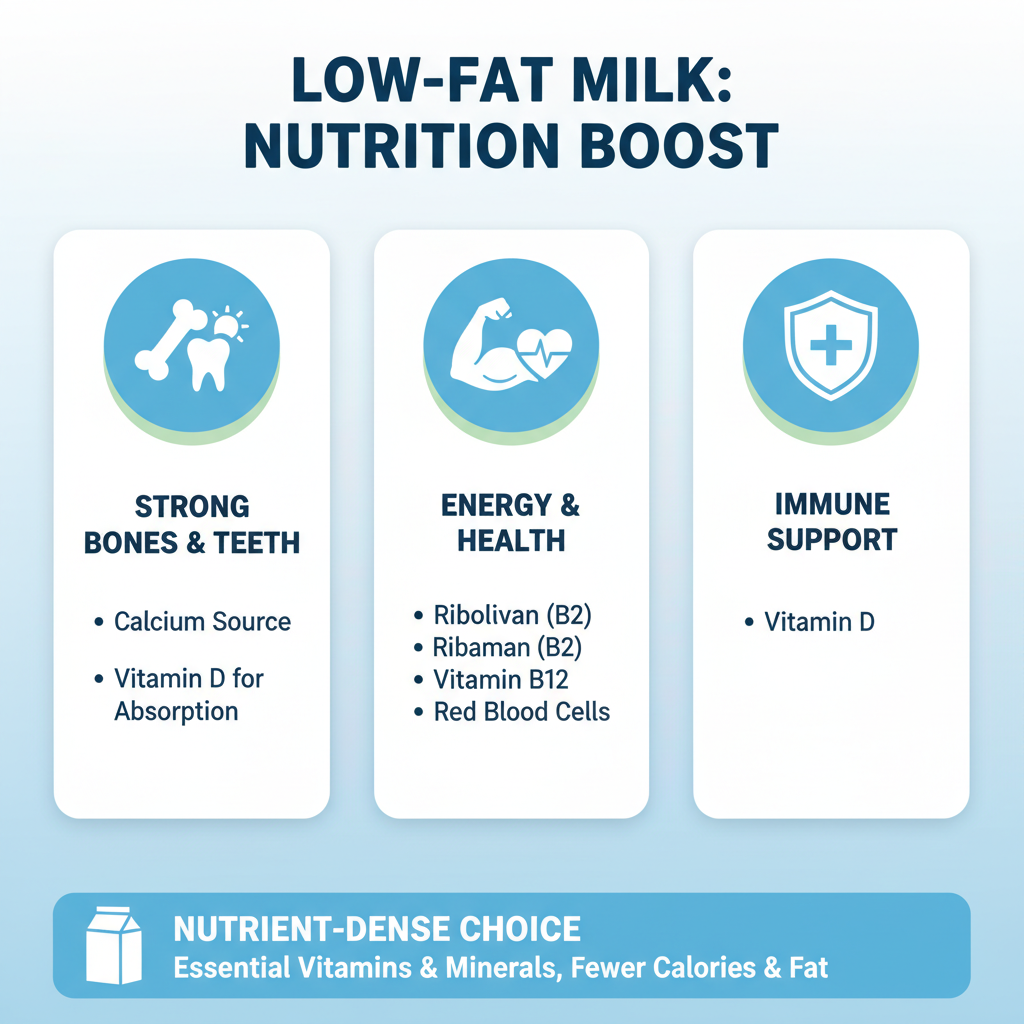
Low fat milk is a nutrient-dense option that provides essential vitamins and minerals while minimizing unnecessary calories and fat. It is an excellent source of calcium, which plays a crucial role in maintaining healthy bones and teeth. Additionally, low fat milk is rich in vitamin D, which enhances calcium absorption and supports immune function. The presence of riboflavin and vitamin B12 also aids in energy production and red blood cell formation, making low fat milk a smart choice for those seeking to boost their overall health.
Tips: Incorporate low fat milk into your daily diet by adding it to smoothies, cereals, or even coffee for a creamy texture without excess fat. For a delicious and healthy snack, consider blending low fat milk with your favorite fruits to create a refreshing smoothie packed with vitamins.
Moreover, low fat milk contains potassium, which helps regulate blood pressure and supports heart health. By choosing low fat options, you can enjoy the benefits of dairy while working towards a healthier lifestyle.
Tips: To maximize the nutritional benefits, try opting for fortified low fat milk varieties that contain additional vitamin D and calcium. This small change can add a significant boost to your nutrient intake and help you meet your dietary goals.
Low Fat Milk and Heart Health: Understanding the Connection
Low fat milk can play a significant role in promoting heart health, thanks to its unique nutritional profile. Rich in essential nutrients such as calcium, potassium, and vitamins D and B12, low fat milk offers a wholesome option for individuals looking to improve their cardiovascular health. The reduction in fat content helps lower overall calorie intake, which can assist in maintaining a healthy weight—a crucial factor in reducing the risk of heart disease.
Additionally, low fat milk contains beneficial compounds like protein and antioxidants. These elements contribute to blood pressure regulation and can help lower cholesterol levels. The potassium found in low fat milk is particularly important, as it aids in balancing sodium levels in the body, which is vital for maintaining healthy blood pressure. By incorporating low fat milk into a balanced diet, individuals can take a proactive approach to support their heart health while still enjoying a delicious and nutritious beverage.
Top Benefits of Low Fat Milk Nutrition for a Healthier Lifestyle
| Nutritional Component |
Amount per 1 Cup (240ml) |
Health Benefit |
| Calories |
100 |
Low in calories for weight management |
| Protein |
8g |
Supports muscle growth and repair |
| Calcium |
30% DV |
Essential for bone health |
| Vitamin D |
25% DV |
Supports immune function and bone health |
| Potassium |
12% DV |
Helps maintain healthy blood pressure |
| Omega-3 Fatty Acids |
0.1g |
Supports heart health |