The 2026 Chili Sauce market will reward buyers who compare more than heat levels. Product selection now involves pepper origin, fermentation, viscosity, packaging, shelf stability, and regional taste. Grand View Research estimated the global hot sauce market at approximately USD 2.15 billion in 2023. It projects a compound annual growth rate of about 7% from 2024 to 2030. Mordor Intelligence reports a larger market estimate, reflecting different product definitions and research methods. The disagreement matters. Buyers should not treat one market figure as absolute truth.
Paul W. Bosland, founder of the Chile Pepper Institute, said, “Chile peppers are the most consumed spice in the world.” His observation highlights Chili Sauce’s broad cultural reach. Sriracha suits garlic-forward applications and modern foodservice menus. Fermented sauces offer deeper acidity and layered aroma. Habanero and Scotch bonnet varieties deliver brighter fruit notes with stronger heat. Chili-garlic sauces add visible texture, which works well with noodles, grilled meats, and dumplings. Mild cayenne sauces remain practical for retail customers who want everyday use.
This guide compares the best Chili Sauce types for global buyers in 2026. It considers flavor, heat, ingredients, processing, and commercial usability. Buyers should check supplier audits, allergen controls, microbiological testing, and export documentation. These details may seem less exciting. They prevent expensive surprises. Regional preferences also remain difficult to predict, especially when online trends move faster than retail data. A sauce popular in one market may stagnate elsewhere. The strongest purchasing decision combines verified specifications with small, realistic taste trials.
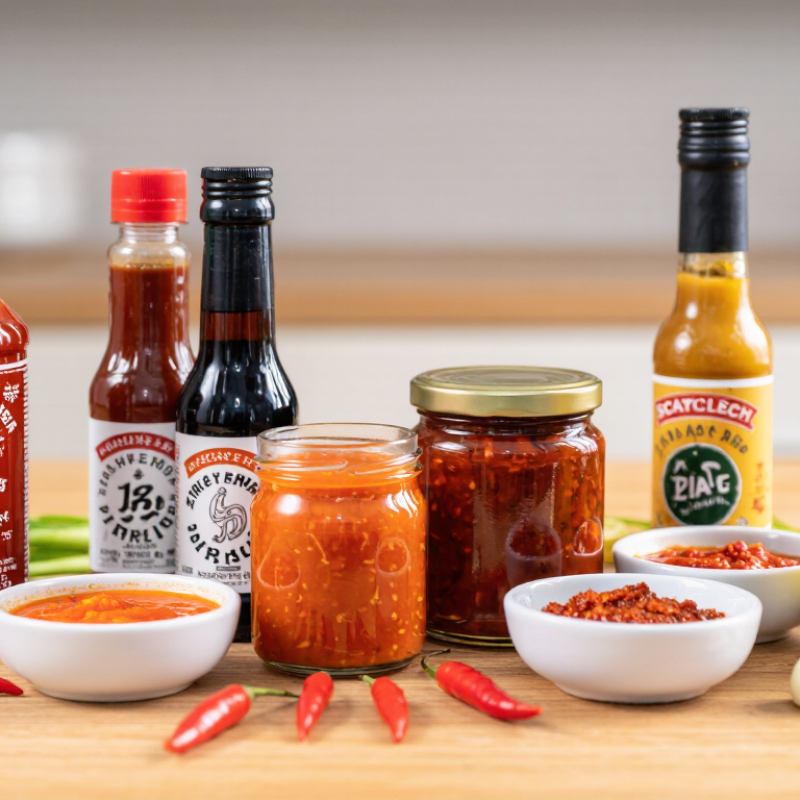
For global buyers, chili sauce begins with ingredient control, not heat alone. A typical formula combines chili peppers, vinegar, salt, sugar, garlic, and stabilizers. Fresh peppers create brighter aromas, while dried peppers deliver deeper, roasted notes. The Codex Alimentarius General Standard for Food Additives supports careful additive use within permitted food categories and levels. Buyers should request ingredient specifications, allergen statements, microbiological results, and shelf-life evidence.
Texture changes the eating experience. A smooth sauce suits dipping and squeeze bottles, while crushed pepper particles suggest handmade character. However, large particles can separate during storage. Viscosity testing matters. Sauce also needs stable color after transport, especially under warm warehouse conditions. Heat should be described through Scoville Heat Units, but laboratory results and consumer perception may differ. A sauce measuring 5,000 SHU can taste hotter when acidity is low.
Flavor balance matters more than extreme intensity. Vinegar gives sharpness, sugar softens it, and garlic adds savory depth. Grand View Research estimated the global hot sauce market at about USD 2.3 billion in 2023, with continued growth expected through 2030. Market definitions vary, so buyers should treat forecasts as directional rather than absolute. Regional preferences remain difficult to generalize. Some consumers want smoky sweetness; others prefer clean, sharp heat. A sample can perform well in testing, yet fail with local dishes. That is worth questioning. Reliable sourcing requires batch records, sensory panels, and repeated trials before a large purchase.
2026 Best Chili Sauce Types for Global Buyers?
Major Chili Sauce Types and Their Regional Characteristics
Chili sauces differ sharply by pepper, fermentation, sweetness, and texture. Southeast Asian Sweet Chili Sauce usually combines red chilies, sugar, vinegar, and garlic. It suits dipping and quick-service food. Chinese fermented chili sauces often deliver salt, umami, and a thicker texture. Korean-style fermented chili paste adds grain sweetness and deep savory notes. Mexican sauces commonly emphasize roasted peppers, tomato, smoke, or citrus. Caribbean versions can be thinner, brighter, and much hotter.
Regional preference affects purchasing decisions. Grand View Research estimates the global hot sauce market will expand at about 7% annually from 2024 to 2030. FAOSTAT crop data also shows the large agricultural scale behind pepper supply, although availability varies by season and origin. A buyer should not treat “hot” as a complete specification. Color, viscosity, acidity, sodium, and seed content matter during production. The categories overlap. That is useful, but sometimes confusing.
Tips: Request samples from two production lots. Test them in the final dish, not only on a spoon. Check pH, Brix, viscosity, allergen statements, packaging migration data, and shelf-life evidence. Ask whether fermentation is natural or controlled. A lower-cost sauce may require more stabilizer or create inconsistent flavor. That trade-off deserves review. Regional authenticity is valuable, yet consumer familiarity can matter more in a new market.
Major chili sauce types and their regional characteristics
The chart compares typical Scoville Heat Unit (SHU) ranges for widely traded chili sauce styles. Actual heat varies by chili variety, fermentation, processing, and recipe. Sriracha, sambal, gochujang, and harissa are generally positioned as moderate-heat products, while peri-peri sauces can reach a much higher heat level depending on the pepper blend.
Global buyers should match chili sauce types to food applications, not chase heat alone. Grand View Research valued the global hot sauce market at about USD 4.3 billion in 2023 and expects strong growth through 2030. Estimates vary because reports classify chili pastes, cooking sauces, and table sauces differently.
For fried foods, vinegar-based sauces provide sharp acidity and a thinner pour. Their bright flavor can cut through oily coatings. Fermented chili sauces suit marinades, dipping sauces, and savory cooking bases. Fermentation adds depth, but its aroma may overpower delicate seafood. Sweet chili sauces work well for glazing chicken, vegetables, and snack products. Check viscosity carefully. A thick sauce should cling without forming a heavy layer.
Oil-based chili sauces fit noodles, dumplings, and dry seasoning blends. Buyers should review water activity, pH, Brix, viscosity, and Scoville heat measurements together. One number rarely predicts consumer acceptance. The International Food Information Council’s 2024 consumer research found that taste remains a leading influence on food choices, while interest in bold flavors continues to expand. Yet heat can hide saltiness and acidity. This is easy to miss.
Packaging also affects performance. Narrow-neck bottles control dosage, while wide-mouth containers support foodservice use. The Codex General Standard for Food Additives should guide ingredient and additive reviews, alongside destination-market requirements. I have seen product trials fail because the sauce tasted excellent in a spoon test but separated on hot food. Application testing at serving temperature is more reliable. Always test after storage, too.
| Chili Sauce Type | Typical Chili Base | Approx. Heat Level | Core Flavor Profile | Typical Texture | Best Food Applications | Suitable Global Food Segments | Key Buying Considerations |
|---|---|---|---|---|---|---|---|
| Cayenne Pepper Sauce | Cayenne peppers, vinegar, salt | 30,000–50,000 SHU | Bright, sharp, clean heat with noticeable acidity | Thin to lightly pulpy | Table condiment Eggs Fried foods Marinades | Foodservice, retail condiments, snack coatings, ready meals | Check vinegar strength, salt level, color stability, and pourability. A widely adaptable choice for consumers who prefer direct heat. |
| Sriracha-Style Chili Sauce | Red jalapeño or similar red chili, garlic, vinegar, sugar | 1,000–2,500 SHU | Garlicky, sweet, tangy, moderately hot | Smooth and spoonable | Noodles Burgers Sandwiches Dipping | Asian-inspired foods, quick-service restaurants, sauces, dips, meal kits | Evaluate garlic intensity, sugar-acid balance, viscosity, emulsion stability, and squeeze-bottle performance. |
| Sweet Chili Sauce | Red chili, sugar syrup, garlic, vinegar | 500–2,500 SHU | Sweet, mildly spicy, tangy, aromatic | Glossy and moderately thick, often with chili flakes | Spring rolls Chicken Glazing Dipping | Retail dipping sauces, frozen foods, catering, casual dining | Compare soluble solids, acidity, chili-piece size, preservative system, and resistance to crystallization. |
| Habanero Chili Sauce | Habanero peppers, fruit or citrus, vinegar, salt | 100,000–350,000 SHU | Very hot, floral, fruity, citrus-like | Thin, pulpy, or blended smooth | Tacos Seafood Fruit salsas Premium hot sauces | Specialty retail, Mexican-style foods, premium foodservice, spicy snack products | Control heat consistency carefully. Review fruit content, seed and pulp management, color protection, and warning-label requirements. |
| Bird’s Eye Chili Sauce | Bird’s eye chilies, garlic, vinegar or citrus, salt | 50,000–100,000 SHU | Fast, direct heat with fresh, sharp chili notes | Thin to lightly coarse | Stir-fries Rice dishes Soups Noodle dishes | Southeast Asian cuisine, restaurants, meal kits, ethnic grocery channels | Specify chili origin or variety where relevant, target particle size, acidity, and heat tolerance for the intended market. |
| Chipotle Chili Sauce | Smoke-dried ripe jalapeños, tomato, vinegar, spices | 2,500–8,000 SHU | Smoky, earthy, mildly sweet, medium heat | Thick, blended, or slightly chunky | Barbecue Burgers Tacos Marinades | Barbecue products, meat alternatives, prepared meals, casual dining | Assess smoke intensity, tomato solids, viscosity at cold temperature, and compatibility with grilling or retort processing. |
| Chili-Garlic Sauce | Red chili, garlic, vinegar, salt, sometimes oil | 1,000–5,000 SHU | Savory, garlicky, moderately hot, slightly acidic | Coarse and spoonable with visible chili pieces | Dumplings Stir-fries Rice Cooking sauce | Asian foodservice, restaurant kitchens, retail jars, frozen meal applications | Confirm garlic particle size, oil separation control, microbial safety, pH, and compatibility with hot-fill or refrigerated distribution. |
| Fermented Chili Paste | Fermented red chilies, salt, sometimes rice, garlic, or spices | 1,000–10,000 SHU | Salty, savory, acidic, umami-rich, complex | Dense paste with fine to coarse particles | Marinades Stews Sautéing Seasoning bases | East Asian cuisine, industrial sauces, ready meals, foodservice kitchens | Review fermentation duration, salt percentage, pH, water activity, color, and whether refrigeration is needed after opening. |
| Gochujang-Style Chili Paste | Red chili powder, fermented soybean, glutinous rice, salt | 1,000–5,000 SHU | Sweet, fermented, savory, mildly spicy, umami-rich | Very thick, smooth paste | Korean barbecue Rice bowls Glazes Dips | Korean cuisine, fusion foods, restaurant sauces, retail cooking ingredients | Check soybean and wheat or rice ingredients, allergen declarations, fermentation profile, viscosity, and sweetness-to-salt ratio. |
| Harissa-Style Chili Paste | Dried red chilies, roasted peppers, garlic, olive oil, spices | 1,000–5,000 SHU | Roasted, earthy, garlicky, aromatic, moderately hot | Thick paste, sometimes coarse | Couscous Roasted vegetables Lamb Sandwich spreads | North African cuisine, Mediterranean foods, gourmet retail, meal kits | Specify oil type, spice blend, oxidation protection, paste consistency, and packaging suitability for ambient or chilled storage. |
| Chili-Lime Sauce | Red chili, lime juice or concentrate, vinegar, salt | 1,000–10,000 SHU | Fresh, citrusy, salty, tangy, moderately hot | Thin to lightly pulpy | Seafood Tacos Fruit Salads | Latin American foods, seafood applications, snack seasonings, beverage and cocktail accompaniments | Monitor citrus oxidation, pH, essential-oil separation, color retention, and the balance between acidity and heat. |
| Extra-Hot Chili Extract Sauce | High-heat chilies or chili oleoresin blended into a vinegar or tomato base | 100,000–1,000,000+ SHU | Intense heat with limited flavor if heavily extract-based | Thin to medium-bodied | Challenge products Small-dose seasoning Specialty sauces | Specialty retail, extreme-heat foodservice, snack innovation, limited-edition products | Require accurate heat testing, controlled dosing, worker-safety procedures, clear labeling, and strong packaging leak protection. |
| Buyer note: Scoville Heat Unit ranges are approximate because chili variety, growing conditions, processing, blending, and laboratory methods can change the final heat level. For international sourcing, verify pH, water activity, microbiological specifications, allergen status, shelf life, packaging format, and destination-market labeling requirements. | |||||||
Global buyers should judge chili sauce by measurable controls, not attractive color alone.
Codex guidance recommends HACCP-based hygiene systems, with documented control of raw chilies, water, acidity, and heat processing. A stable sauce needs consistent pH, viscosity, color, and microbial results across batches. For acidified products, pH 4.6 is a widely used technical safety benchmark, but process validation remains essential.
WHO reports that contaminated food causes about 600 million illnesses and 420,000 deaths annually. The figure is broad, yet buyers should not ignore it.
Packaging must match the sauce’s acidity, temperature, and distribution route.
Glass offers strong barrier protection, while suitable plastic containers can reduce weight and breakage. Both require migration testing, reliable seals, tamper evidence, and clear batch coding. Hot-fill or retort processing needs packaging designed for heat. Weak caps can create leaks before the carton reaches a warehouse.
Practical audits often find packaging checks receive less attention than flavor testing.
Shelf-life claims should come from real-time studies, accelerated testing, and opening-use evaluations.
A twelve-month claim should consider oil separation, cap deterioration, color fading, and yeast growth. UNEP’s Food Waste Index Report 2024 estimated 1.05 billion tonnes of food waste in 2022, making realistic dating commercially important.
ISO 22000 certification can strengthen supplier evaluation, but certification alone does not prove every batch is safe. I would request certificates of analysis, traceability records, allergen controls, and recall procedures.
Perfect documentation is rare. Missing records deserve questions.
Global buyers in 2026 need more than a hot flavor profile. They need suppliers who can deliver consistent chili sauce across borders. Popular options include fermented chili sauce, sweet chili sauce, garlic chili sauce, and smoky varieties. Each type requires different controls for acidity, viscosity, heat level, and shelf stability.
Request a complete specification before discussing volume. It should show ingredients, allergen information, pH, microbial limits, shelf life, and packaging details. Ask for samples from a current production batch, not only laboratory prototypes. Check the sauce after opening, refrigeration, reheating, and several weeks of storage. Small changes in color or separation can affect customer acceptance.
A reliable supplier explains its traceability process clearly. Lot codes should connect finished bottles with raw materials and production records. Review food safety systems, testing reports, export experience, and responses to complaints. Factory audits or independent inspections can reveal practical issues, such as poor pallet protection or unclear labeling. Confirm whether the supplier understands your destination market’s documentation and language requirements.
Price matters, but it should not lead the decision. The cheapest quote can create costly delays. Ask about minimum order quantities, lead times, backup ingredients, payment terms, and shipping conditions. Communication speed is useful evidence, although it is not proof of long-term reliability. A polished website can still hide weak production controls. No evaluation is perfect, so record risks and revisit them before signing a supply agreement.