10 Best Cottage Cheese Nutrition Facts for Buyers
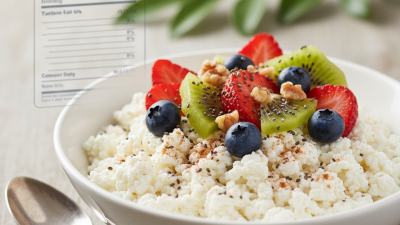
Cottage cheese has returned to many grocery carts, from chilled breakfast bowls to quick post-workout snacks. Its mild flavor and soft curds make it easy to pair with berries, tomatoes, herbs, or whole-grain toast. Yet buyers need more than attractive packaging. Understanding cottage cheese nutrition can help you compare protein, calories, sodium, fat, and added ingredients with greater confidence.
A small half-cup serving may provide substantial protein, but nutrition varies by brand and preparation. Low-fat versions are not always the best choice for every shopper. Some contain more sodium, stabilizers, or added flavorings. Full-fat products may offer a richer texture, while lactose-free options can suit people with lactose sensitivity. Check the Nutrition Facts panel carefully. Serving sizes can look smaller than the bowl you actually fill.
This guide examines ten practical nutrition facts for informed buyers. It considers protein quality, calcium, sodium, fat levels, carbohydrates, and ingredient labels. It also explains where marketing claims may oversimplify a product’s value. A registered dietitian or qualified healthcare professional can offer advice for medical diets, kidney conditions, or significant lactose intolerance. Labels change, and personal needs differ. That matters.
I have found that texture often influences whether people keep eating a product, not just its nutrient profile. A tangy, watery container may remain untouched in the refrigerator. Taste, budget, tolerance, and convenience deserve attention alongside nutrition. No single cottage cheese suits everyone. A careful comparison usually beats a flashy front label.
What Cottage Cheese Is and Why Its Nutrition Matters
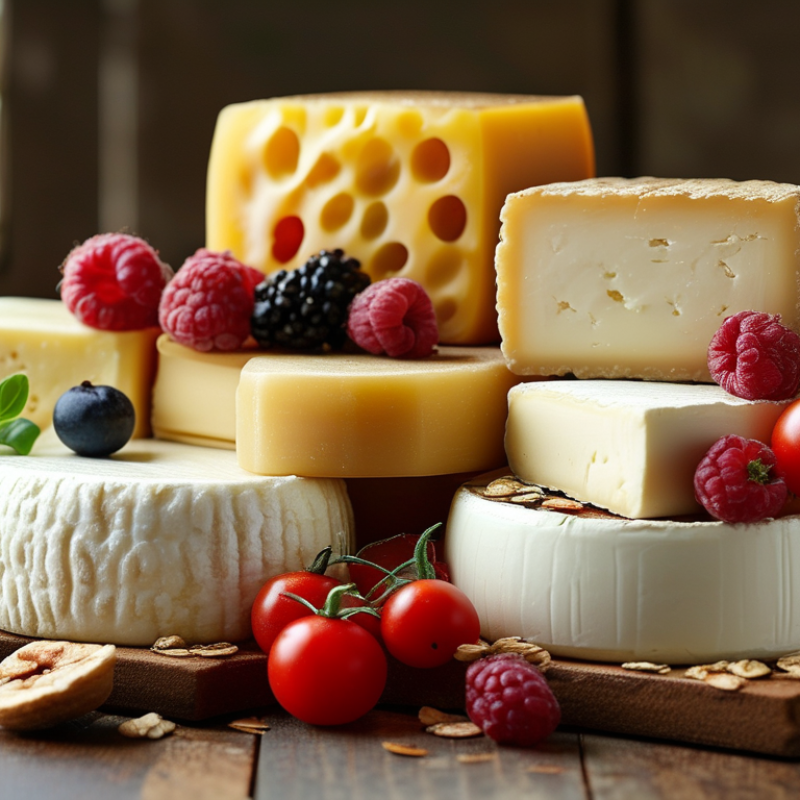
Cottage cheese is a fresh, unripened cheese made by curdling milk and draining much of its liquid. The remaining curds are soft, lumpy, and mildly tangy. Texture matters. Some containers taste creamy, while others feel dry because processing methods and added cream differ. This simple food can work at breakfast, in salads, or beside sliced peaches.
Its nutrition deserves closer attention than its plain appearance suggests. A typical half-cup serving may provide about 12–15 grams of protein, depending on the product. Protein supports muscle maintenance and can make a meal more satisfying. Cottage cheese also supplies calcium, phosphorus, vitamin B12, and other nutrients naturally found in dairy. However, sodium may be surprisingly high, sometimes reaching several hundred milligrams per serving. Check the label, not just the front package.
I used to assume low-fat cottage cheese was automatically the better choice. That was too simple. Reduced-fat versions may contain fewer calories, but full-fat options can taste richer and help some people feel satisfied. Added sugar, cream, and flavorings can change the nutritional balance. People with lactose intolerance may experience discomfort, even though cottage cheese often contains less lactose than milk. Serving size matters too; eating from the container makes accurate portions difficult. Compare protein, saturated fat, sodium, and ingredients before buying.
How to Compare Protein, Calories, and Serving Sizes
When comparing cottage cheese, start with the serving size, not the front label. The USDA FoodData Central database lists about 84 calories and 11 grams of protein per 100 grams for low-fat cottage cheese. A typical ½-cup serving weighs roughly 110–113 grams, but containers may use different portions. That small difference can quietly change your totals.
Check the protein-to-calorie ratio. A serving providing 12 grams of protein near 100 calories is more concentrated than one offering 10 grams at 120 calories. Fat levels also matter. Full-fat varieties can provide more calories, while reduced-fat options may contain added stabilizers or more sodium.
The USDA data shows cottage cheese can contain over 300 milligrams of sodium per 100 grams, so compare that line carefully. FDA Nutrition Facts rules require serving information, but they do not make every serving size equally useful for your routine. I still misread this sometimes.
Look for calcium and carbohydrate values too. Plain cottage cheese usually contains little carbohydrate, though lactose contributes some natural sugar. Flavored versions can be very different.
For practical shopping, weigh one familiar bowl at home once. Then compare labels using that amount. It is imperfect, but more realistic than trusting a vague scoop. A 200-gram portion can nearly double the calories, protein, and sodium shown for a listed half-cup serving. Check the tub’s grams beside the household measure. That number is often the clearest buying signal.
Understanding Fat, Carbohydrates, Sugar, and Sodium Levels
10 Best Cottage Cheese Nutrition Facts for Buyers
Understanding Fat, Carbohydrates, Sugar, and Sodium Levels
Cottage cheese can look simple, but its nutrition label deserves a careful reading. Fat content often ranges from full-fat to low-fat and fat-free options. Full-fat varieties usually provide a creamier texture and more calories per serving. Lower-fat choices may suit calorie goals, but they can taste thinner. I once assumed low fat always meant better. That shortcut was too simple.
Check the serving size before comparing containers. One serving may equal half a cup, while a spoonful can quickly become a full cup. Carbohydrates mainly come from lactose, the natural milk sugar. Plain cottage cheese often contains modest carbohydrates, but flavored versions may include added sugar. Look for “added sugars” separately from “total sugars.” A sweet taste can hide a surprisingly large difference.
Sodium deserves equal attention. Some cottage cheese products contain several hundred milligrams per serving, which matters when paired with salted crackers, cured meat, or soup. People managing high blood pressure should discuss sodium targets with a qualified healthcare professional. Ingredients also reveal useful details, including milk, cream, cultures, stabilizers, or added sweeteners. Texture preferences are personal, and nutrition is not the only buying factor. Still, comparing fat, carbohydrates, sugar, and sodium on the same serving basis creates a more reliable choice.
10 Best Cottage Cheese Nutrition Facts for Buyers
Understanding fat, carbohydrates, sugar, and sodium levels in a typical 1/2-cup serving.
The chart shows approximate U.S. Daily Value percentages for a 1/2-cup serving (113 g) of generic low-fat 2% cottage cheese. Total sugars do not have an established Daily Value, so sugar is listed separately below.
| Nutrition fact |
Amount per 1/2 cup (113 g) |
Buyer takeaway |
| Calories | 92 kcal | A relatively light serving |
| Protein | 11.8 g | High protein for the calorie level |
| Total fat | 2.6 g | Low-fat profile |
| Saturated fat | 1.6 g | A small portion of total fat |
| Carbohydrates | 5.4 g | Moderate carbohydrate content |
| Total sugars | 4.5 g | Mostly naturally occurring milk sugar |
| Sodium | 363 mg | The key value to compare when choosing products |
| Calcium | 125 mg | Contributes to daily calcium intake |
| Phosphorus | 170 mg | A naturally occurring mineral in dairy foods |
| Cholesterol | 17 mg | Moderate amount per serving |
Values are approximate and based on generic low-fat 2% cottage cheese data per 113 g serving. Actual nutrition can vary by formulation and serving size.
Evaluating Calcium, Vitamins, Minerals, and Probiotic Benefits
Cottage cheese can be a practical source of calcium, especially for buyers comparing everyday foods. Calcium supports bone strength, muscle contraction, and normal nerve function. The amount varies by serving size and processing method, so the nutrition label matters more than general assumptions. A typical serving may also provide phosphorus, selenium, and potassium, although sodium can be surprisingly high.
It also supplies useful vitamins. Vitamin B12 supports red blood cell formation and nerve health, while riboflavin helps the body release energy from food. Some products contain vitamin D, but many do not. Check the label instead of expecting it. I once assumed every cottage cheese product offered similar nutrition. That was too broad, and serving sizes made the comparison even less clear.
Probiotic benefits require closer attention. Only products containing live and active cultures may support gut microbiome diversity, and the strains can differ. Fermented does not always mean meaningfully probiotic. Look for clear culture information and refrigerated storage guidance. Evidence suggests probiotics can help some digestive concerns, but effects depend on the strain and individual response. A buyer with lactose sensitivity should also compare lactose levels, because tolerance varies. Plain versions may offer fewer added sugars, but flavor and texture still influence whether the food becomes a realistic habit. Nutritional value is useful only when the product fits your actual routine.
10 Best Cottage Cheese Nutrition Facts for Buyers - Evaluating Calcium, Vitamins, Minerals, and Probiotic Benefits
Approximate values are based on a typical 1/2-cup (113 g) serving. Nutrition varies by fat level, recipe, sodium content, and serving size.
| Nutrition Dimension |
Typical Amount per 1/2 Cup (113 g) |
Approx. % Daily Value* |
Why It Matters |
Buyer Consideration |
| Calories |
About 100–120 kcal |
5–6% |
Provides moderate energy in a relatively filling serving. |
Compare calorie levels across nonfat, low-fat, and full-fat varieties. |
| Protein |
About 14 g |
28% |
Supports muscle maintenance, tissue repair, and satiety. |
Look for plain varieties with protein clearly listed per serving. |
| Calcium |
About 100 mg |
8% |
Helps maintain bones and teeth and supports normal muscle function. |
Check the nutrition label because calcium levels differ by formulation. |
| Vitamin B12 |
About 0.4 mcg |
17% |
Contributes to red blood cell formation and normal nervous-system function. |
A useful naturally occurring nutrient in dairy-based cottage cheese. |
| Riboflavin (Vitamin B2) |
About 0.2 mg |
15% |
Helps convert food into energy and supports normal cell function. |
Plain dairy products generally provide more nutritional value than sweetened versions. |
| Phosphorus |
About 180 mg |
14% |
Works with calcium in bone structure and supports energy metabolism. |
Consider the full mineral profile if managing kidney-related dietary restrictions. |
| Selenium |
About 12 mcg |
22% |
Supports antioxidant defenses and normal thyroid function. |
Amounts can vary naturally with the animal feed and dairy composition. |
| Sodium |
About 350–450 mg |
15–20% |
Sodium is an essential electrolyte, but excessive intake may be a concern. |
Choose reduced-sodium options when appropriate and compare labels carefully. |
| Carbohydrates and Sugars |
About 4–6 g carbohydrate; 3–5 g sugar |
1–2% carbohydrate |
Most of the naturally occurring sugar is lactose, the milk sugar. |
Check added sugars in flavored products; lactose-free choices may suit sensitive buyers. |
| Live and Active Cultures |
Product-dependent; no standardized amount |
Not established |
Certain cultures may support lactose digestion and contribute to a diverse gut microbiome. |
Only count probiotic benefits when live cultures are specifically listed on the package. |
*Percent Daily Values are approximate and based on a 2,000-calorie diet. Individual nutrition needs may differ.
Choosing Cottage Cheese Based on Health Goals and Dietary Needs
10 Best Cottage Cheese Nutrition Facts for Buyers
Choosing cottage cheese depends on your health goal, not only its protein number.
At the grocery shelf, check the serving size first. A large tub may make portions look smaller than they are. Then compare protein, calories, total fat, saturated fat, sodium, carbohydrates, sugar, calcium, and lactose information. Ingredients matter too. A short list with milk, cultures, salt, and enzymes is easier to evaluate. Plain cottage cheese usually avoids added sugar found in flavored varieties.
For muscle support, choose a serving with substantial protein and enough calories for your daily needs.
For weight management, a lower-calorie option may help, but it should still feel filling. Calcium-rich choices can support bone health as part of a balanced diet. Watch sodium carefully if you follow a low-sodium eating plan. Reduced-fat products are not automatically better; some people prefer their texture and find them more satisfying. Taste affects consistency.
Lactose-sensitive buyers should look for lactose-free options or test a small portion.
People with milk allergies should avoid cottage cheese entirely. Those managing kidney disease may need limits on protein, phosphorus, or potassium, so professional advice matters. I sometimes overvalue protein and ignore sodium. That is an easy mistake. Labels also change, and serving sizes can mislead. Compare products using the same serving amount, then consider your real meal, such as cottage cheese with berries, cucumber, or whole-grain toast.