Skip to content

China Best Skim Milk Nutrition Label Guide for Buyers?

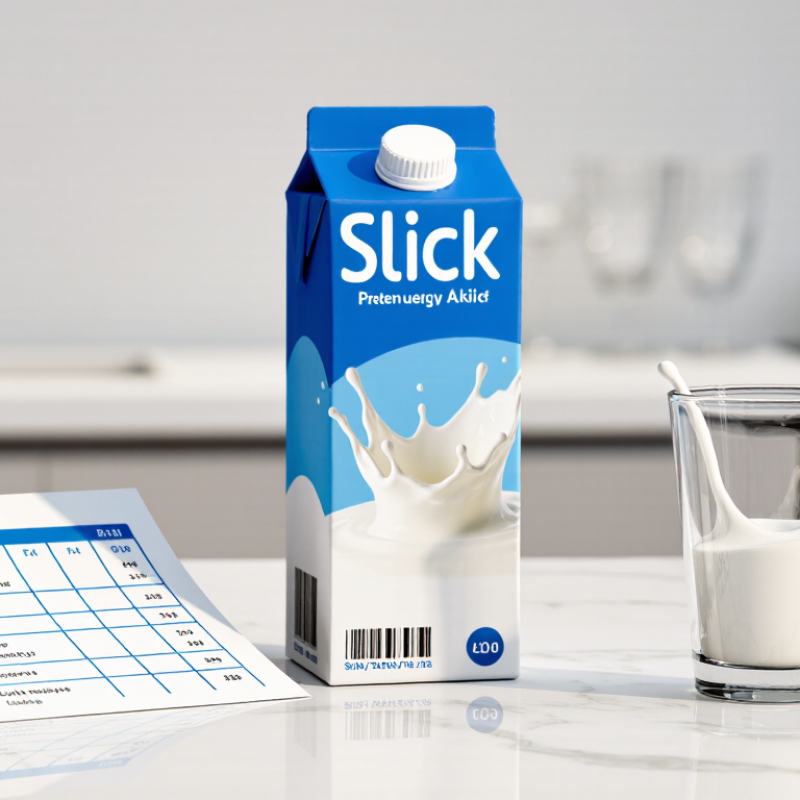
Buying skim milk in China requires more than checking the front package. The real evidence appears in the skim milk nutrition label, ingredient list, certification details, and supplier records. A familiar blue carton may look trustworthy. It still needs careful review.

This guide helps importers, retailers, foodservice buyers, and health-focused consumers assess Chinese skim milk products. It explains how to compare energy, protein, fat, carbohydrates, sodium, calcium, and serving sizes. Small details matter. A 100-millilitre value may be mistaken for a full serving. That error can distort cost and nutrition comparisons.

Reliable purchasing also requires checking the manufacturer’s license information, production date, shelf life, storage conditions, and batch documentation. Buyers should request a certificate of analysis and verify testing through an independent laboratory when practical. Chinese national food standards can support the review, but packaging rules and product claims may change. Confirm current requirements before importing.

Do not rely on “low fat” wording alone. Examine the actual fat value and look for added sugar, milk solids, stabilizers, or flavoring ingredients. Plain skim milk should have a short, understandable ingredient list. Sometimes, labels are not perfectly clear. Translation mistakes happen. A careful buyer pauses and asks questions.

This overview focuses on practical label reading, supplier verification, nutrition comparison, and quality risks. It does not replace professional regulatory or dietary advice. Better decisions come from several matching records, not one attractive label.
China Best Skim Milk Nutrition Label Guide for Buyers?

Understanding China’s Skim Milk Labeling Standards

China’s skim milk label follows national food safety rules, not informal supermarket language. Under GB 28050-2011, packaged milk should display energy, protein, fat, carbohydrate, and sodium per 100 milliliters. Each value should include its Nutrient Reference Value percentage. Check the Chinese panel, not only the English translation.

For liquid products, a “fat-free” claim generally means no more than 0.5 grams of fat per 100 milliliters. “Low fat” uses a different threshold, so these terms should not be treated as identical. The ingredient list should normally begin with milk or reconstituted milk. Added sugar, milk powder, stabilizers, or flavoring can change the product’s nutritional meaning. A simple comparison helps: place two cartons together and check fat, protein, energy, and sodium on the same basis.

The USDA Foreign Agricultural Service’s China Dairy and Products Annual reported China’s milk production at roughly 42 million metric tons in 2023. That scale makes label literacy important for institutional and retail buyers. Packaging also needs a production date, shelf life, storage conditions, and the Chinese responsible-party information. Keep the carton chilled during inspection. Small details matter.

One practical weakness remains. Translated labels may simplify technical terms. They can also hide serving-size differences. Buyers should request the original Chinese specification and laboratory test report when purchasing in volume. Do not rely on “healthy” wording alone. The label deserves a second look.

Identifying Key Nutrition Facts on Skim Milk Packages

When I inspect a skim milk package, I begin with the serving size. Serving size matters. A carton may contain several servings, even when it looks small. I compare calories, protein, and carbohydrates per serving. Skim milk usually contains little fat, but the exact amount can vary by local standards. Do not assume “skim” means nutritionally identical everywhere.

The sugar line deserves careful attention. Total sugars includes natural lactose from milk. Added sugars shows sweeteners added during processing. Plain milk should normally have no added sugar. Check the percentage Daily Value beside calcium and vitamin D. These nutrients help support bones, while protein can contribute to daily dietary needs. Still, a high percentage does not make the product suitable for every diet. People managing diabetes, allergies, or kidney conditions should verify choices with a qualified professional.

I once compared two cartons and focused only on calories. That was too narrow. The serving sizes were different, so my first comparison was misleading. Read both numbers carefully. Ingredients can reveal more detail. Look for milk, vitamins, and any stabilizers or sweeteners. A short ingredient list is easier to evaluate, but it is not automatically healthier. Check the package date and storage instructions, too. Nutrition facts lose value when the product has been handled poorly. If the label seems unclear, contact the manufacturer or a registered dietitian rather than guessing.

Comparing Protein, Fat, Sugar, and Calcium Values

China Best Skim Milk Nutrition Label Guide for Buyers?

Comparing protein, fat, sugar, and calcium values helps buyers judge skim milk more accurately. Check values per 100 milliliters, not only per serving. Serving sizes can differ between cartons. Protein often ranges around 3 grams per 100 milliliters. A higher figure may support daily protein intake, but it does not automatically indicate better milk. The ingredient list still matters.

Skim milk usually contains very little fat, often below 1 gram per 100 milliliters. This can suit buyers limiting dietary fat. Sugar needs closer attention. Natural lactose contributes to the listed sugar value. A carton showing 4 to 5 grams may not contain added sugar. Look for terms such as sugar, syrup, or sweetener in the ingredients. Less sugar is not always the best choice.

Calcium is commonly listed in milligrams per 100 milliliters. Compare similar products on the same basis. Around 100 to 120 milligrams can be a useful reference, though nutrition values vary. I once compared two cartons by serving size and chose the wrong one. The larger serving made its calcium look higher. That mistake changed how I read labels. Claims about “high calcium” should be checked against the actual panel and local labeling rules. Nutritional needs also differ with age, diet, and health conditions. A label can guide a purchase, but it cannot replace professional dietary advice.

Checking Ingredients, Additives, Origin, and Production Dates

China Best Skim Milk Nutrition Label Guide for Buyers?

When buying skim milk from China, read the ingredient list before judging the nutrition panel. Ingredients appear by weight, so milk or skim milk should usually lead. Watch for added sugar, maltodextrin, vegetable oils, or flavorings. These can change the product’s nutritional value. Stabilizers and emulsifiers may improve texture, but their purpose should be clear. Check protein, calcium, and vitamin levels per 100 grams, not only per serving.

Origin details require careful reading. “Made in China” differs from “packed in China” or “milk sourced from another country.” Look for the processing location, dairy source, importer details, and a traceable lot number. Production dates should be printed clearly, with the best-before date nearby. A faded stamp is a warning sign. Still, packaging quality alone cannot prove poor quality. I have found labels difficult to compare when translations use different serving sizes. That is easy to overlook.

Tips: Photograph the label before purchase. Compare two products using the same units. Confirm whether dates use day-month or month-day order. Ask the supplier for factory records, ingredient specifications, and testing reports when buying in bulk. Do not rely only on front-label claims.

China Best Skim Milk Nutrition Label Guide for Buyers

Use the chart to compare the key nutrients on a skim milk label. The reference profile is based on plain fat-free milk composition from USDA FoodData Central, while the percentage calculations use China’s nutrition reference values under GB 28050.

Buyer checklist: Confirm that the ingredient list is mainly milk or skim milk, check whether sugar, milk powder, stabilizers, or flavorings are added, verify the country or region of origin, and check both the production date and shelf-life date. Compare nutrition values per 100 mL rather than relying only on the package serving size.

Choosing the Best Skim Milk for Your Dietary Needs

Choosing skim milk should begin with your diet, not the loudest package claim. USDA FoodData Central lists about 83 calories, 8 grams of protein, and 300 milligrams of calcium per 240-milliliter cup. Values vary slightly by processing and fortification. Check the nutrition panel per 100 milliliters, then compare serving sizes carefully.

For Chinese buyers, inspect energy, protein, fat, carbohydrate, calcium, and added sugar. The ingredient list should clearly show milk and permitted nutrients. A short list is easier to understand, but it does not automatically prove better quality. USDA MyPlate recommends dairy foods as part of a balanced eating pattern, while individual needs differ with age, activity, lactose tolerance, and medical advice. I sometimes overvalue high protein numbers. That can be a mistake. Skim milk may suit weight-control plans, but it may feel less filling than whole milk.

Tips: Choose unsweetened products when reducing sugar. Compare calcium per 100 milliliters, not only per carton. Confirm the production date, storage temperature, and current Chinese labeling requirements. If the label shows unusually high protein, recheck the serving size and ingredients. For sensitive digestion, try a small portion first. A registered dietitian can help when kidney disease, diabetes, or allergies affect your choice.

China Best Skim Milk Nutrition Label Guide for Buyers? - Choosing the Best Skim Milk for Your Dietary Needs
Nutrition or Buying Dimension Typical Value for Plain Fortified Skim Milk Recommended Label Check Potential Dietary Benefit
Standard serving size 1 cup (240 mL) Compare products using the same serving size. Improves accuracy when comparing nutrition labels and portion costs.
Energy About 83 kcal Choose a product near this range if you want a low-energy dairy beverage. Supports calorie-controlled meal plans when used in place of higher-calorie drinks.
Total fat About 0.2 g Look for “fat-free” or “skim” and check that total fat is very low. Provides milk nutrients with minimal fat per serving.
Saturated fat About 0.1 g Prefer products with little or no added cream or milk fat. Useful for dietary patterns that limit saturated fat.
Protein About 8.3 g Check that protein is supplied naturally by milk rather than only by added ingredients. Contributes to maintenance of muscle and other body tissues.
Total carbohydrate About 12.2 g Account for naturally occurring lactose in the daily carbohydrate budget. Provides carbohydrate along with protein and minerals.
Total sugars About 12.3 g For an unsweetened option, added sugars should be 0 g. Helps distinguish naturally occurring milk sugar from added sweeteners.
Calcium About 298 mg Compare the calcium amount per serving and confirm the measurement unit. Supports normal bones, teeth, muscle function, and nerve signaling.
Vitamin D About 2.9 µg (approximately 116 IU) Check whether the product is vitamin-D-fortified and note the amount per serving. Helps the body absorb calcium and supports bone health.
Vitamin B12 About 1.3 µg Review the label if dietary vitamin B12 intake is a concern. Contributes to red blood cell formation and normal nervous-system function.
Potassium About 382 mg Compare potassium levels while considering individual medical advice. Contributes to normal muscle and nerve function.
Sodium About 107 mg Choose the lower-sodium option when comparing otherwise similar products. May fit more easily into a sodium-conscious eating pattern.
Ingredient list Typically milk, with permitted vitamin fortification Look for a short ingredient list and identify sweeteners, stabilizers, or flavorings. Makes it easier to select plain milk and avoid unnecessary added ingredients.
Added sugar 0 g for plain, unsweetened skim milk Check both the “added sugars” line and the ingredient list. Supports lower-added-sugar dietary goals.
Lactose suitability Contains naturally occurring lactose People with lactose intolerance may consider lactose-free alternatives. Helps buyers match the product to individual digestive tolerance.
Allergen information Contains milk Do not select if avoiding milk proteins because of an allergy. Supports safer purchasing and meal planning.
Best fit for calorie control Low energy and very low fat Choose plain skim milk without added sugar or flavored syrups. Can provide protein and calcium without the energy content of whole milk.
Best fit for higher protein needs About 8.3 g protein per cup Compare protein per 100 mL or per serving, depending on the label format. Can contribute to daily protein intake, although individual needs vary.
Best fit for bone-health nutrients Calcium plus, when fortified, vitamin D Check both nutrients instead of assuming all products have identical fortification. Provides two nutrients commonly associated with bone maintenance.
Buyer note: Values are approximate averages for plain fortified fat-free milk per 1 cup (240 mL). Actual nutrition labels may vary by formulation, fortification level, serving size, and local regulatory requirements. People with kidney disease, diabetes, milk allergy, or medically prescribed diets should follow advice from a qualified healthcare professional.
Reference basis: Nutrient figures are consistent with commonly reported USDA FoodData Central values for generic fat-free milk; always use the package label for the final purchase decision.