How to Choose the Best Fairlife Ultra Filtered Milk for You?
Choosing the right milk can be a daunting task. Fairlife ultra filtered milk stands out for its nutritional benefits. This milk is rich in protein and lower in sugar. However, not all fairlife ultra filtered milk products are the same.
When selecting fairlife ultra filtered milk, consider your dietary needs. Different options may have varied ingredients and flavors. Some may contain added vitamins or be lactose-free, which is essential for many consumers. Each choice offers unique advantages.
Reflect on your personal preferences. Do you prioritize taste over nutrition? Or do you want a product that fits your active lifestyle? Understanding these factors helps narrow down the options. Keep in mind that what works for one person may not work for another.
Understanding Fairlife Ultra Filtered Milk and its Benefits
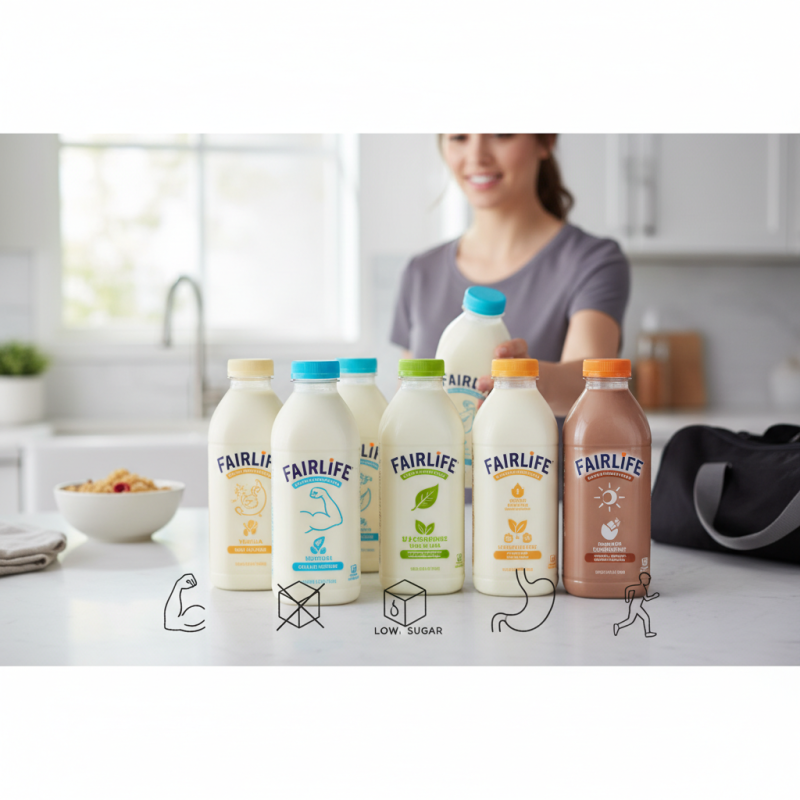
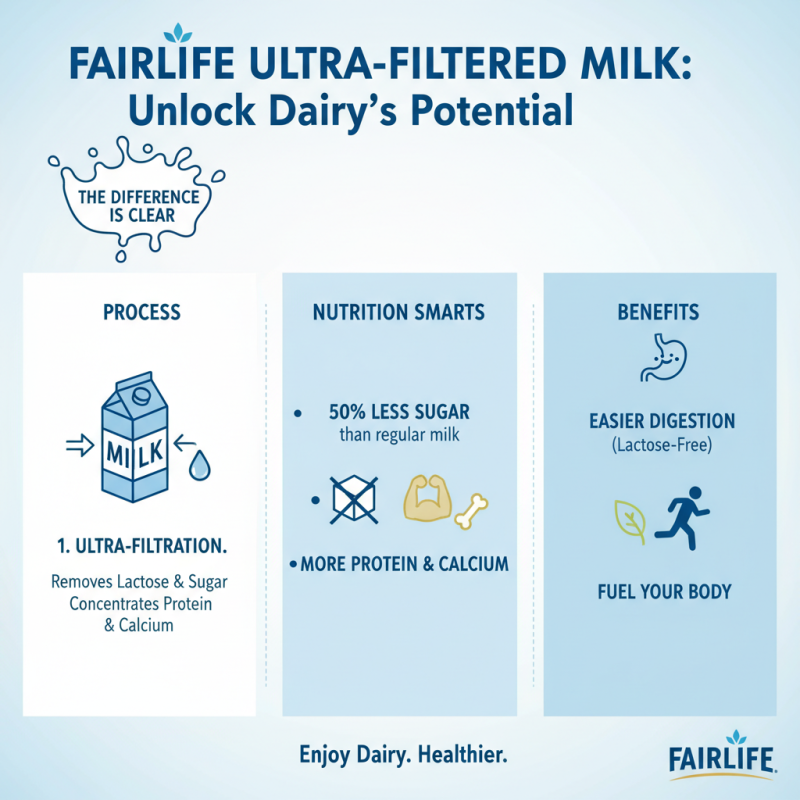
Fairlife ultra-filtered milk offers a unique option for those looking to enjoy dairy in a healthier way. This product undergoes a special filtration process that removes lactose while concentrating protein and calcium. As a result, it has less sugar and more nutritional benefits than regular milk. People seeking lower calorie options will appreciate its 50% less sugar content.
The benefits extend beyond just nutrition. Ultra-filtered milk also has a longer shelf life. This means fewer trips to the store and reduced food waste. It maintains a creamy texture, ideal for coffee, smoothies, or baking. However, some may find the taste slightly different from conventional milk. It's important to consider personal preference when choosing a milk option.
Incorporating ultra-filtered milk into your diet may require some adjustments. Start by replacing it in your favorite recipes. Notice how your body responds to the nutritional changes. This product can be beneficial, but individual reactions vary. Listen to your body and assess how it fits into your lifestyle.
Evaluating Nutritional Content of Fairlife Ultra Filtered Milk
When evaluating the nutritional content of ultra-filtered milk, it is essential to consider its protein and sugar levels. Research shows that ultra-filtered milk often contains up to 80% more protein than regular milk. This increase can support muscle growth and repair. Protein is crucial for overall health, especially for active individuals and those looking to maintain their weight.
Additionally, ultra-filtered milk typically has half the sugar of standard milk. According to a 2022 industry report, consumers are increasingly seeking low-sugar alternatives. This trend aligns with health guidelines that recommend monitoring sugar intake. However, it's important to understand that sugar levels can vary among products.
Moreover, the calcium content is another factor worth investigating. Ultra-filtered versions often retain the same calcium levels as regular milk. Yet, some brands may fortify their products further. Always check the label for clear nutritional information. Consumers should weigh these choices carefully. Balancing protein, sugar, and calcium is vital for optimal health.
How to Choose the Best Fairlife Ultra Filtered Milk for You? - Evaluating Nutritional Content of Fairlife Ultra Filtered Milk
| Nutritional Component |
Per 1 Cup (240ml) |
Daily Value (%) |
| Calories |
80 |
4% |
| Total Fat |
1.5g |
2% |
| Saturated Fat |
0.5g |
3% |
| Cholesterol |
5mg |
2% |
| Sodium |
130mg |
6% |
| Total Carbohydrates |
12g |
4% |
| Sugars |
6g |
N/A |
| Protein |
13g |
26% |
| Calcium |
300mg |
30% |
| Vitamin D |
2.5mcg |
15% |
Comparing Different Varieties of Fairlife Ultra Filtered Milk
When exploring the different varieties of ultra-filtered milk, several factors come into play. Most notably, nutritional content varies across brands. For instance, some options boast lower lactose levels, catering to lactose-intolerant individuals. This makes them more accessible to a broader audience, as about 68% of the global population is lactose intolerant according to the National Institutes of Health.
Protein content is another significant consideration. Ultra-filtered milk often has higher protein levels than traditional milk, making it appealing for active lifestyles. Reports indicate that a cup of ultra-filtered milk can provide up to 50% more protein compared to regular milk. This added protein supports muscle recovery and overall health.
Taste and texture can also vary widely between products. Some brands focus on a creamier texture that mimics whole milk, while others lean towards a lighter feel suitable for mixing in smoothies. Personal preference plays a large role here. Customers sometimes overlook this aspect in favor of nutritional claims, which can lead to disappointment. Reading product reviews can help guide choices, but experiences can be subjective. Comparison is key to finding the best fit for individual dietary needs.
Considering Dietary Needs and Preferences When Choosing Milk
Choosing the right milk can be challenging. Dietary needs and personal preferences play a crucial role in this decision. For instance, individuals with lactose intolerance may prefer lactose-free options. Research indicates that around 65% of the global population has some degree of lactose malabsorption. This statistic highlights the importance of finding suitable alternatives.
For those seeking high protein and low sugar, ultra-filtered milk is often recommended. It typically contains about 50% more protein compared to regular milk. Approximately 8 grams of protein per cup can offer a satisfying choice for active individuals. Additionally, those watching their caloric intake may benefit from lower sugar content. Reports from health organizations suggest that dietary awareness is on the rise. Consumers are increasingly seeking nutritious options that align with their health goals.
However, health claims can sometimes be misleading. Not all brands provide transparent information on their filtration processes and additives. It's essential for consumers to scrutinize labels. The differences between products can be subtle yet significant. Some might offer fortification with vitamins, while others might lack essential nutrients. Taking the time to assess personal dietary needs ensures making an informed choice that truly supports individual health objectives.
Tips for Incorporating Fairlife Ultra Filtered Milk into Your Diet
Incorporating ultra-filtered milk into your diet can bring numerous benefits. This milk is often higher in protein and lower in sugar compared to regular milk. Start your mornings with a shake or smoothie that includes this milk. Pair it with fruits and oats for a nutritious breakfast. A simple banana smoothie can provide a quick energy boost.
Using ultra-filtered milk in cooking is another great option. Add it to soups or sauces for a creamy texture without excess calories. Try using it in your favorite mac and cheese recipe. You'll enjoy the richness without compromising your health goals. Experimentation is key; sometimes, it may not work as expected.
For a refreshing treat, consider using this milk in desserts. Make a simple pudding or custard for a healthier dessert. You might find the texture isn't quite what you're used to. Adjusting recipes takes time and practice. Embrace the learning curve, and soon, this milk could become a staple in your diet.
Nutrition Comparison of Ultra Filtered Milk vs. Regular Milk