How to Choose the Best Low-Fat Milk for Your Health and Diet
Choosing the right low-fat milk can be a pivotal decision for those aiming to maintain a healthy lifestyle or specific dietary goals. Dr. Sarah Thompson, a renowned nutritionist who specializes in dairy products, states, "Selecting the best low-fat milk involves not only understanding your dietary needs but also the nutritional content that supports your overall health." As the demand for health-conscious alternatives rises, it's essential to navigate the various options available in the market.
Low-fat milk is often perceived as a guilt-free indulgence, rich in calcium and essential vitamins while providing fewer calories than its full-fat counterparts. However, not all low-fat milks are created equal. The differences in processing, added sugars, and fortification can significantly influence their health benefits. Consequently, consumers must be informed to make educated choices that align with their personal health objectives.
In this guide, we will explore key factors to consider when selecting low-fat milk, ranging from nutritional profiles to taste preferences. By understanding these elements, you can ensure that your choice of low-fat milk not only fits seamlessly into your diet but also enhances your health journey.

Understanding Low-Fat Milk: A Nutritional Overview and Benefits
Low-fat milk is a popular choice among health-conscious consumers, and understanding its nutritional profile can help you make informed dietary decisions. According to the USDA National Nutrient Database, one cup of low-fat milk (1% fat) contains approximately 102 calories, 8 grams of protein, and 12 grams of carbohydrates, while also providing essential nutrients like calcium, vitamin D, and potassium. This nutritional composition not only supports bone health but also contributes to muscle function and overall energy levels, making low-fat milk a valuable addition to a balanced diet.
In addition to its nutritional benefits, low-fat milk can be a strategic part of weight management efforts. Research published in the American Journal of Clinical Nutrition suggests that incorporating low-fat dairy products into a diet may help individuals maintain a healthy weight or even lose pounds. The protein content in low-fat milk supports satiety, which can reduce overall calorie intake throughout the day. Furthermore, the calcium found in low-fat milk has been linked to improved fat metabolism, creating a dual benefit for those looking to manage their weight while ensuring adequate nutrient intake. With these health benefits in mind, choosing low-fat milk can effectively enhance dietary practices while supporting long-term health goals.
Low-Fat Milk Nutritional Comparison
This chart illustrates the nutritional values of low-fat milk per one cup (240 ml). It highlights key components such as calcium, protein, fat, carbohydrates, and calorie counts, helping you choose the best option for your health and diet.
Comparative Analysis: Low-Fat vs. Whole Milk Nutritional Content
When comparing low-fat milk to whole milk, it's essential to examine their nutritional content to make a healthy choice.
Low-fat milk typically contains around 1% to 2% fat, while whole milk averages about 3.25% fat. This reduction in fat content significantly decreases the calorie count of low-fat milk, making it a popular choice for those looking to manage their weight or reduce overall fat intake in their diet. Additionally, the lower fat content means that individuals can enjoy a larger portion for fewer calories, which can be beneficial for maintaining a balanced diet.
In terms of vitamins and minerals, both low-fat and whole milk are good sources of calcium, vitamin D, and potassium. However, the fat in whole milk can aid in the absorption of fat-soluble vitamins, such as vitamins A, D, E, and K. Therefore, while low-fat milk may provide fewer calories and less total fat, whole milk offers certain advantages, particularly in nutrient absorption. Ultimately, the decision should consider individual dietary needs, lifestyle, and the overall role of dairy in one’s nutrition to determine which option aligns best with health goals.
Identifying the Best Low-Fat Milk Brands: Key Nutritional Factors to Consider
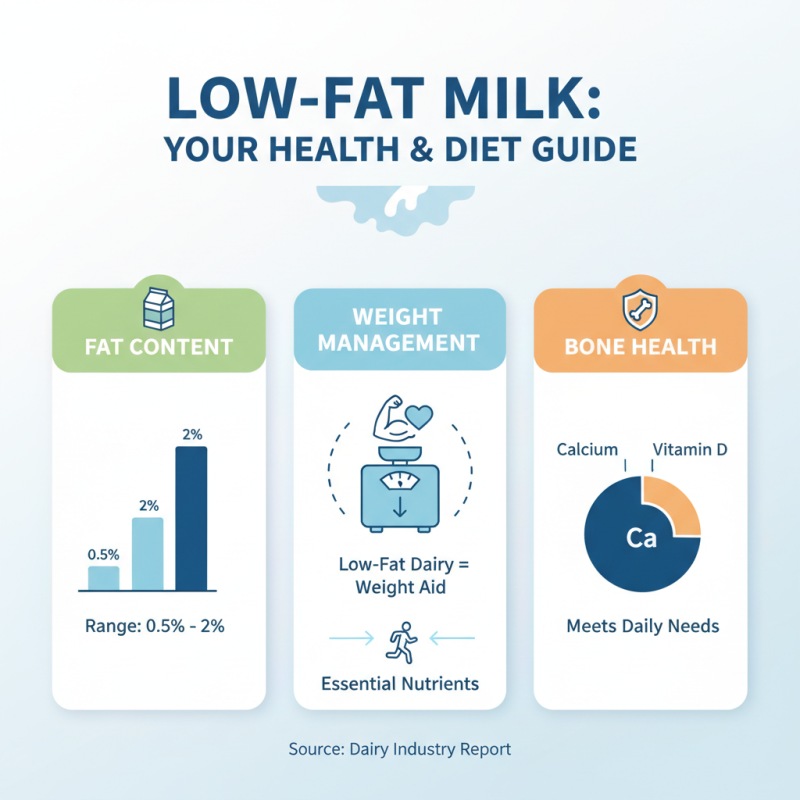
When selecting the best low-fat milk for your health and diet, it's essential to consider several key nutritional factors. One critical aspect is the fat content, which typically ranges from 0.5% to 2%. Research indicates that consuming low-fat dairy can aid in weight management while still providing essential nutrients like calcium and vitamin D. According to the Dairy Industry report, individuals who include low-fat dairy in their diets are more likely to meet their daily calcium needs, contributing to better bone health and overall wellness.
Additionally, you should pay attention to the protein content in your low-fat milk. The USDA Dietary Guidelines recommend that adults consume 46-56 grams of protein daily, and low-fat milk can be a valuable source. A cup of low-fat milk generally provides about 8 grams of protein, making it an excellent option for those looking to maintain or build muscle mass while reducing overall caloric intake.
**Tips:** When choosing low-fat milk, always check the label for added sugars, as some brands may enhance flavor with sweeteners that could counteract the health benefits. Opt for options fortified with omega-3 fatty acids to boost heart health. Lastly, consider organic choices if available, as they often have reduced exposure to hormones and antibiotics.
Reading Labels: Interpreting Ingredients and Nutritional Information
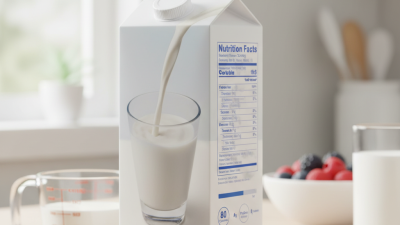
When selecting low-fat milk, understanding how to read labels is crucial for making informed choices that align with your health and dietary goals. The first step involves examining the ingredient list. A shorter list often indicates a purer product; ideally, it should contain just milk and possibly vitamins A and D. This simplicity tends to reflect fewer additives or preservatives, which can be beneficial compared to more processed options.
Next, pay attention to the nutritional information provided. Low-fat milk generally has reduced calories and saturated fat, but it’s essential to compare these figures across different products. According to the USDA, a cup of low-fat milk (1%) contains about 100 calories and 2.5 grams of saturated fat, while skim milk (fat-free) is even lower, with approximately 80 calories. Moreover, consider the calcium and vitamin D content, as these nutrients are critical for bone health. The U.S. National Institutes of Health recommends adults obtain 1,000 mg of calcium daily, making low-fat milk an effective option for supplementation.
Checking for added sugars, which can sneak into flavored varieties, is equally important; they contribute additional calories and may undermine your goals for a healthier diet. By carefully interpreting labels, you can select low-fat milk that truly supports your nutritional needs.
Health Implications: The Role of Low-Fat Milk in a Balanced Diet
Low-fat milk can play a significant role in a balanced diet, offering a nutritious alternative to whole milk while maintaining essential vitamins and minerals. It is an excellent source of calcium and vitamin D, crucial for maintaining strong bones and preventing osteoporosis. Additionally, low-fat milk provides a good amount of protein, which is essential for muscle repair and overall bodily function. By incorporating low-fat milk into daily meals, individuals can enjoy the benefits of dairy without the extra saturated fat that whole milk contains, making it a heart-healthy choice.
In the context of a balanced diet, low-fat milk can serve multiple purposes. It can be used in various recipes, from smoothies and cereals to sauces and baked goods, effectively boosting nutritional value without adding significant calories. For those looking to manage their weight, low-fat milk can help maintain satiety while providing important nutrients. Furthermore, it suits a variety of dietary preferences and lifestyles, making it approachable for many. As part of a comprehensive eating plan, low-fat milk can contribute to overall health, particularly when paired with fruits, vegetables, and whole grains, fostering a well-rounded approach to nutrition.