How to Choose the Best Lactose Free Whole Milk for You?
When searching for the best lactose free whole milk, many factors come into play. Choosing the right brand can be challenging. You might feel overwhelmed by the options available on the market. Lactose free whole milk caters to those who are lactose intolerant, offering a rich taste without discomfort.
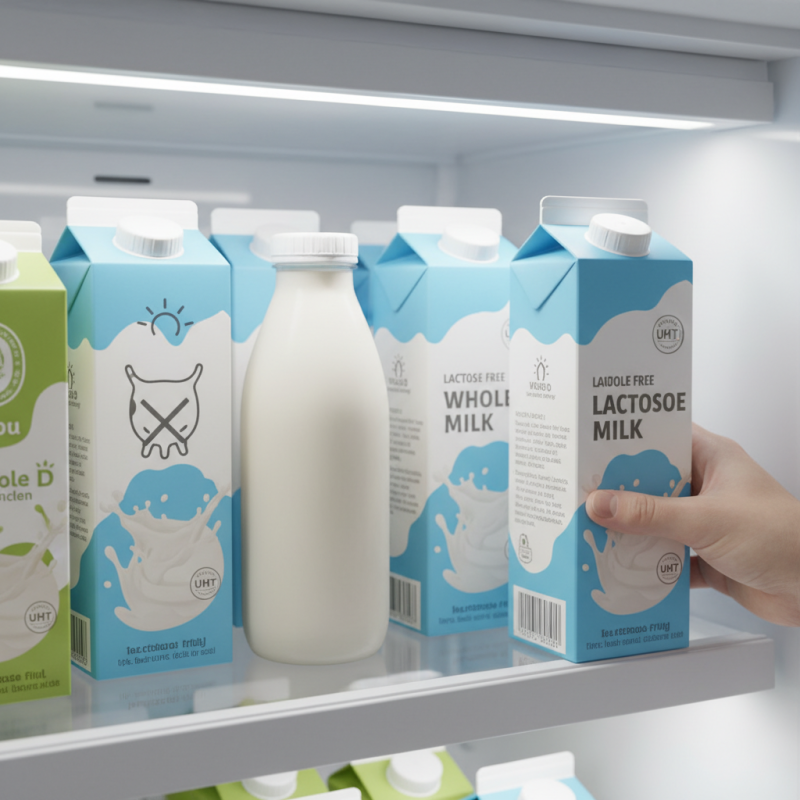
Ingredients are essential. Look for brands that use high-quality milk and minimal additives. Some products may contain added nutrients, like Vitamin D. This can enhance the health benefits of lactose free whole milk. Also, check if the milk is UHT processed for longer shelf life. Taste is subjective. You might prefer one brand's flavor over another.
However, some consumers might not enjoy the altered sweetness in certain lactose free options. Experimenting with different products helps find the perfect match for your palate. Remember to consider packaging, as eco-friendly options are increasingly popular. Don't rush your decision; take time to reflect on your preferences and needs.
Understanding Lactose-Free Whole Milk and Its Health Benefits
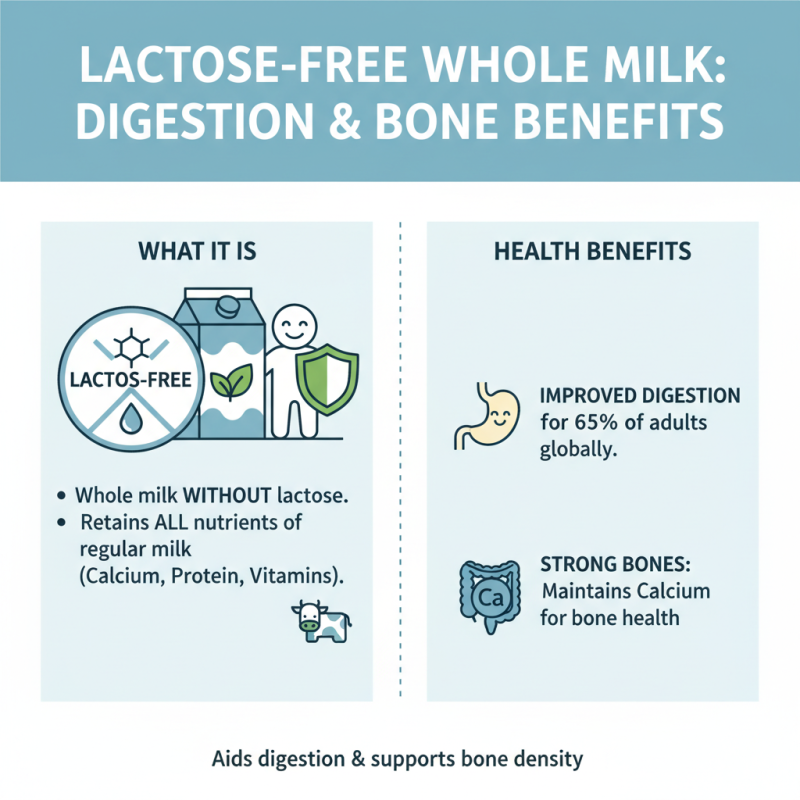
Lactose-free whole milk offers a great dairy option for those who are lactose intolerant. This type of milk retains most nutrients found in regular whole milk but eliminates lactose. About 65% of adults worldwide experience some degree of lactose intolerance, making this a highly sought-after alternative. The health benefits of lactose-free whole milk include improved digestion and retaining calcium levels that support bone health.
When selecting lactose-free whole milk, consider its nutritional content. Look for options fortified with vitamin D. Reports indicate that nearly 1 in 4 people are deficient in vitamin D, which is crucial for calcium absorption. Always check the ingredients; the number should remain minimal to ensure quality.
Tips: Choose organic products whenever possible. They often contain fewer additives. It’s wise to try different brands to find your favorite taste. Not every lactose-free milk will fit your needs. Expect some variations in flavor and texture. Adjust your expectations and don’t hesitate to explore various options.
Nutritional Comparison: Lactose-Free Whole Milk vs. Regular Whole Milk
Lactose-free whole milk offers an alternative for those with lactose intolerance. The nutritional profile is quite similar to regular whole milk. Both types provide essential nutrients like calcium and vitamin D. However, lactose-free milk has an added benefit: it is easier to digest.
One notable difference is the sugar content. Regular whole milk contains lactose, a natural sugar. In contrast, lactose-free whole milk has a unique enzyme added, which breaks down lactose into simpler sugars. This process makes it sweeter than regular milk. The change in sweetness can influence recipes, especially in baking or cooking.
The fat content remains consistent across both varieties. They both have about 3.5% fat. This fat contributes to the creamy texture and richness in dishes. However, consider your dietary needs. Some might need to limit fat intake. Also, be aware that the taste might vary. Not everyone enjoys the sweetness of lactose-free milk. Testing a small amount first could guide your choice. Ultimately, personal preference plays a significant role in selecting the right milk for your needs.
Nutritional Comparison: Lactose-Free Whole Milk vs. Regular Whole Milk
| Nutritional Components |
Lactose-Free Whole Milk (per 1 cup) |
Regular Whole Milk (per 1 cup) |
| Calories |
150 |
150 |
| Total Fat |
8g |
8g |
| Saturated Fat |
5g |
5g |
| Cholesterol |
35mg |
35mg |
| Carbohydrates |
12g |
12g |
| Sugars |
12g |
12g |
| Protein |
8g |
8g |
| Calcium |
300mg |
300mg |
| Vitamin D |
3mcg |
3mcg |
Evaluating Lactose-Free Whole Milk Brands: Key Factors to Consider
When evaluating lactose-free whole milk, several key factors should be considered. Nutritional content is paramount. According to the USDA, the standard for lactose-free whole milk often mirrors regular whole milk in calories, fat, and protein. However, not all brands maintain the same nutritional profile. Some may add vitamins or minerals to enhance their product. Reviewing the nutritional labels is essential.
Another important aspect is taste and texture. Many consumers describe lactose-free milk as creamier. Studies suggest that consumers can differ in their preferences for sweetness and flavor nuances. Beachy textures can sway your choice. Conducting taste tests with different brands can help identify what suits your palate best.
Price points vary significantly among different lactose-free brands. Market analysis shows a range, with premium products costing much more than standard options. Balancing quality and budget is crucial. Often, cheaper options may lack in certain quality aspects. Don't overlook the importance of production practices. Environmental concerns and sustainability are gaining traction among consumers today.
How to Read Labels: Understanding Ingredients in Lactose-Free Milk
When exploring lactose-free whole milk, reading labels is crucial. Ingredients can vary significantly. Some products contain additives like stabilizers and emulsifiers. Understanding these components is essential for informed choices. Research shows that many consumers overlook this vital information.
Look for products made with natural enzymes. Lactase is the enzyme that breaks down lactose. It’s important for individuals who are lactose intolerant. Research indicates that over 68% of the global population experiences some level of lactose intolerance. The enzyme's presence might indicate higher quality.
Keep an eye on sugar content. Some brands add sugar to enhance flavor. Consuming too much sugar can lead to health issues. The American Heart Association recommends limiting added sugars. While lactose-free milk should be easier to digest, balancing sugar intake is still vital. Reading labels helps navigate these challenges.
Comparison of Nutritional Content in Lactose-Free Whole Milk
The chart above illustrates the nutritional content of lactose-free whole milk, highlighting key components such as calories, fat, carbohydrates, protein, and calcium percentage. This information can help you make informed decisions when selecting the best lactose-free whole milk for your dietary needs.
Buyer Insights: Consumer Preferences and Trends in Lactose-Free Products
When selecting lactose-free whole milk, understanding consumer preferences is essential. Many people prioritize taste and texture. Some enjoy a creamy feel, while others seek a lighter texture. What's interesting is how personal experiences shape these preferences. Some might find that lactose-free options taste different from regular milk. This can be a point of contention.
Buying trends also reveal much about shifting demands. More consumers are looking for organic options, driven by health consciousness. Others may prefer fortified products, aiming for added vitamins and minerals. Price can be a significant factor, too. Some might feel that higher prices are unjustified while others are willing to pay for perceived quality.
Many struggle with ingredient labels. Understanding what "lactose-free" truly means is not always straightforward. A few may even overlook how processing affects taste. It's a reminder that informed choices benefit our shopping experiences. Ultimately, the quest for the perfect lactose-free whole milk often involves trial and error, reflecting individual taste and health needs.