Skip to content

How to Read Skim Milk Nutrition Labels Effectively?

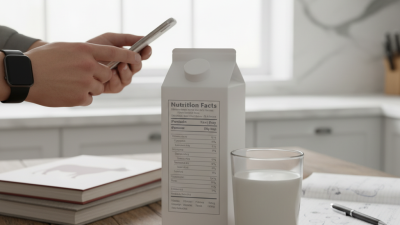
Understanding the skim milk nutrition label is essential for making informed dietary choices. Many people overlook these labels, which can lead to confusion about the health benefits of skim milk. When you look closely, you will find valuable information that can help guide your consumption habits.

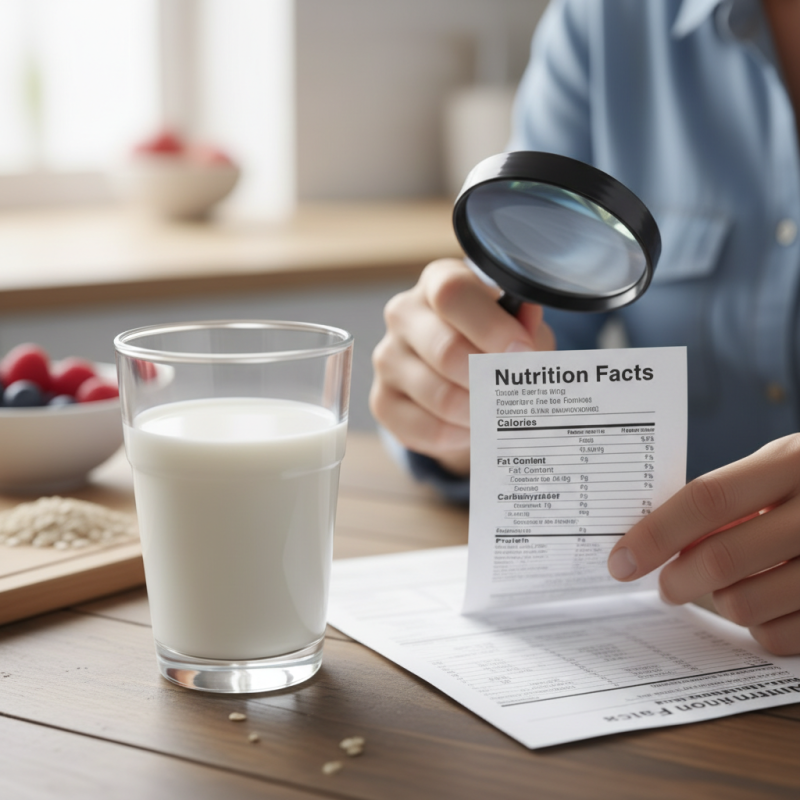
The skim milk nutrition label typically includes calories, fat content, carbohydrates, and protein levels. These details can help you determine how skim milk fits into your overall diet. However, it's not always easy to interpret this information. Some people might be misled by marketing claims and overlook actual nutritional values.

Taking time to analyze these labels is crucial. A common mistake is focusing solely on the calorie count without considering other vital components. For instance, understanding the role of vitamins and minerals in skim milk can enhance your nutrition knowledge. Reflecting on how you approach these labels is necessary for a balanced diet. Embracing a mindful consumption habit can lead you to better health.
How to Read Skim Milk Nutrition Labels Effectively?

Understanding the Basics of Skim Milk Nutrition Labels

Reading nutrition labels on skim milk can seem daunting. Understanding the basics can make the process easier. A typical serving size of skim milk is 1 cup, providing around 80 calories. This low-calorie option is popular among individuals seeking to manage their weight.

When examining the label, notice the fat content. Skim milk contains less than 0.5 grams of fat per cup. This is significantly lower than whole milk, which can have over 8 grams. For those watching their fat intake, this is essential. The protein in skim milk is also noteworthy. A cup typically offers about 8 grams, making it a good source of lean protein.

Consider the added vitamins and minerals. Many brands fortify skim milk with vitamin D and calcium. According to the USDA, 1 cup can provide around 30% of the daily calcium recommendation. However, not all skim milks are fortified equally. Always check labels for these additions.

While skim milk offers benefits, it might lack some flavor compared to whole milk. Some consumers prefer full-fat options for taste. It’s worth reflecting on personal dietary choices. Are you prioritizing flavor over fat? Balancing these aspects can lead to more informed decisions.

How to Read Skim Milk Nutrition Labels Effectively?

Nutritional Component Amount per Serving (1 cup) % Daily Value
Calories 83 kcal 4%
Total Fat 0.2 g 0%
Saturated Fat 0.1 g 1%
Trans Fat 0 g N/A
Cholesterol 5 mg 2%
Sodium 107 mg 5%
Total Carbohydrates 12 g 4%
Dietary Fiber 0 g 0%
Sugars 12 g N/A
Protein 8 g 16%
Vitamin D 2.5 mcg 13%
Calcium 299 mg 30%
Potassium 396 mg 11%

Identifying Key Nutrients in Skim Milk Products

When exploring skim milk nutrition labels, focus on identifying key nutrients. Skim milk is low in calories but high in protein, making it a great option for a balanced diet. Each cup typically contains around 8 grams of protein, aiding muscle repair and growth. Calcium is another crucial nutrient, providing about 30% of the daily value recommended for bone health.

Understanding these numbers can help you make better choices. Look for labels that emphasize vitamins A and D, which support vision and immune function. Some reports indicate that fortified skim milk can offer up to 25% of the daily value of these vitamins.

Tip: Always check serving sizes. Many labels list nutrition values based on one cup. If you drink more, adjust the numbers accordingly.

Tip: Don’t shy away from fat-free flavor alternatives. Some brands enhance taste without adding calories. This can lead to better satisfaction and reduced cravings for unhealthy snacks.

While skim milk is a healthy choice, be mindful of added sugars in flavored varieties. They can offset the benefits you seek from whole foods. Reading labels closely can help you avoid unnecessary additives.

Deciphering Serving Sizes and Portion Control in Labels

How to Read Skim Milk Nutrition Labels Effectively?

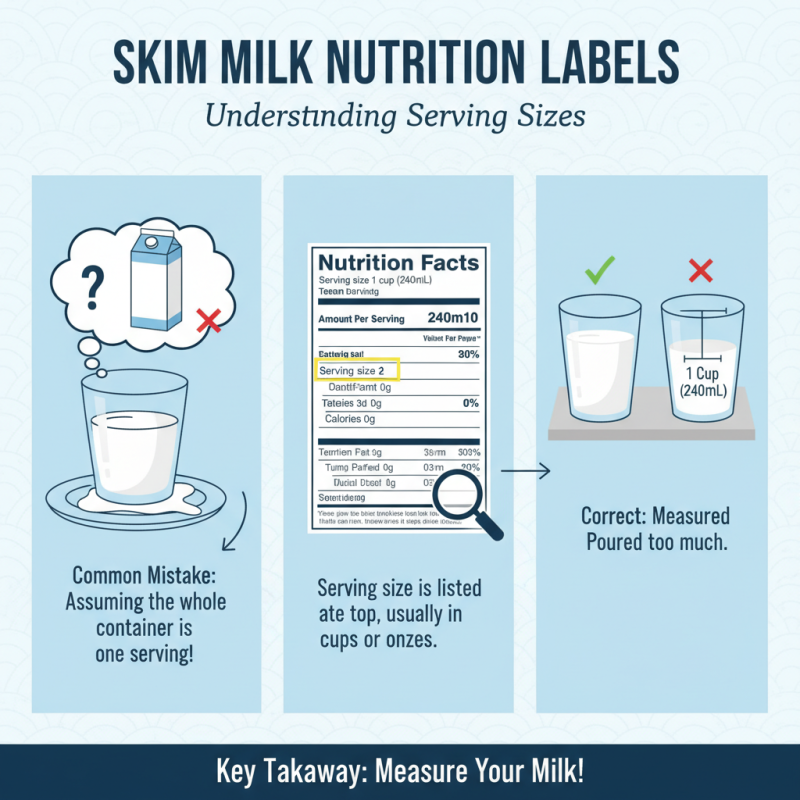
Understanding serving sizes is crucial when it comes to reading skim milk nutrition labels. Each label lists the serving size prominently at the top. This size is usually measured in cups or ounces. But often, people pour more than the suggested serving. A common mistake is assuming the entire container is a single serving.

Portion control is essential for making healthier choices. Most people don’t realize that a standard serving of skim milk is just one cup. It’s easy to overlook this detail when using larger glasses. If you drink from a bigger vessel, you may end up consuming extra calories. Being mindful of serving sizes can help maintain dietary goals.

Another challenge arises with varying nutrition information. Some labels may have different values for cholesterol or calcium. Take note of these differences for better meal planning. Keep in mind that the calories, fat, and protein also depend on the serving size. A single cup may have less than you expect. Reflecting on these details can lead to better dietary decisions.

Comparing Skim Milk with Other Milk Options on Labels

How to Read Skim Milk Nutrition Labels Effectively?

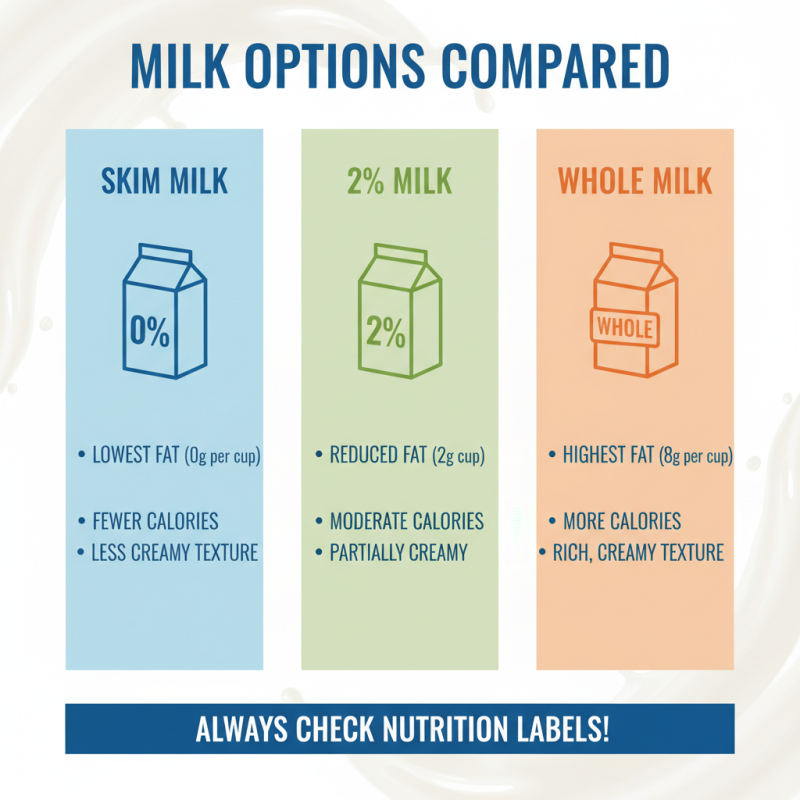
When comparing skim milk with other milk options, it’s essential to read nutrition labels carefully. Skim milk contains less fat than whole or 2% milk. However, the differences don’t stop there. While skim milk is lower in calories, it may also lack some of the creaminess that whole milk provides. This can impact flavor and texture in various recipes.

Other milk options, like almond or soy milk, have unique nutritional profiles. For example, almond milk is often lower in calories, but it has less protein. Soy milk stands out with a protein content close to cow's milk. Comparing these options requires examining all nutrients, not just calories or fat content. This attention can lead to healthier choices, but it can also be overwhelming.

Brands often use misleading packaging. Phrases like "light" or "low-fat" can confuse shoppers. Some may overlook added sugars in flavored varieties. It’s important to scrutinize all aspects of the label. Making informed choices can lead to better health, but it requires effort and diligence. Are you prepared to invest time in understanding these labels?

Recognizing Common Misleading Claims on Skim Milk Labels

When examining skim milk labels, it's crucial to recognize misleading claims. Many products boast “fat-free” or “lower calorie,” but these terms can obscure other important details. For instance, some brands add sugar to improve flavor. This increases calorie count and diminishes the health benefits typically associated with skim milk.

Look closely at the ingredient list. You might find additives that aren’t necessary. Sometimes, milk can contain stabilizers or thickeners that alter its natural texture. These ingredients can undermine a consumer's intention to choose a healthier option. It’s easy to assume that skim milk is always a wise choice, yet many variations mask unhealthy components within.

Also, be cautious of health claims on the front label. Phrases like “good source of calcium” are common. However, this doesn’t always translate to a significant amount. It’s essential to check serving sizes and actual nutrient values. Sometimes, the numbers are misleading. You may feel misled after discovering that a serving contains far less calcium than you anticipated. Staying informed is the best way to ensure you choose wisely.