How to Get Essential Nutrition from Skim Milk: Benefits and Tips
Skim milk is often celebrated as a nutritious beverage choice, offering a range of health benefits while maintaining a low calorie count. As more individuals seek to optimize their diets, understanding the nutrition in skim milk becomes essential. This popular dairy option provides essential vitamins and minerals, including calcium, vitamin D, and protein, all while minimizing the fat content that can be found in whole or reduced-fat milks. By focusing on the key nutrients in skim milk, individuals can make informed dietary choices that support overall health and well-being.
In this article, we will explore the various benefits of incorporating skim milk into your daily nutrition. From the positive impact on bone health due to its calcium content to the role of protein in muscle maintenance and repair, skim milk stands out as a valuable food source for both the health-conscious and those looking to manage their weight effectively. Additionally, we will provide practical tips on how to incorporate skim milk into your diet seamlessly, ensuring that you can enjoy its benefits without compromising on taste or nutrition. Understanding the nutrition in skim milk can empower you to achieve a balanced diet that aligns with your health goals.
Understanding Skim Milk: Nutritional Profile and Health Benefits
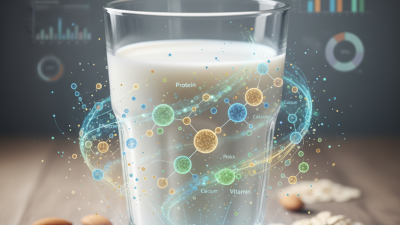
Skim milk, often recommended for those looking to reduce caloric intake without sacrificing nutritional benefits, has a robust nutritional profile. According to the U.S. Department of Agriculture (USDA), one cup of skim milk contains approximately 80 calories, making it a lean source of essential nutrients. It is rich in protein, offering about 8 grams per serving, which is vital for muscle repair and overall bodily functions. Additionally, skim milk is fortified with vitamin D and calcium; one cup provides around 30% of the daily recommended intake of calcium, which is essential for maintaining strong bones and teeth.
Beyond its nutrient density, skim milk has been linked to several health benefits. A study published in the Journal of Nutrition indicates that consuming low-fat dairy products, including skim milk, is associated with a lower risk of cardiovascular diseases. The benefits are attributed to its high calcium and potassium content, which support cardiovascular and bone health. Furthermore, research conducted by the National Institutes of Health suggests that the protein in skim milk can help with weight management by promoting satiety, thereby reducing overall calorie consumption. Incorporating skim milk into a balanced diet can therefore not only contribute to essential nutrient intake but also support long-term health goals.
Key Vitamins and Minerals Found in Skim Milk for Optimal Nutrition
Skim milk is often overlooked in nutritional discussions, yet it offers a wealth of essential vitamins and minerals that contribute to overall health. One of the standout features of skim milk is its high calcium content. According to a report by the National Institutes of Health, one cup of skim milk provides about 30% of the daily recommended intake of calcium, which is crucial for maintaining strong bones and teeth, as well as supporting muscle function. Additionally, skim milk is fortified with vitamin D, which enhances calcium absorption and promotes bone health.
Beyond calcium and vitamin D, skim milk is also rich in other vital nutrients. It contains a significant amount of vitamin B12, an essential nutrient for red blood cell formation and neurological function. A single serving of skim milk can deliver around 20% of the recommended daily allowance of vitamin B12, making it an excellent choice for individuals looking to supplement their diet. Furthermore, skim milk provides potassium, which aids in regulating blood pressure and supports overall cardiovascular health, with one cup containing approximately 11% of the RDA for adults. Incorporating skim milk into your diet not only boosts your intake of these key vitamins and minerals but also offers a low-calorie option for those seeking to manage their weight while ensuring they receive optimal nutrition.
How to Get Essential Nutrition from Skim Milk: Benefits and Tips
| Nutrient |
Amount per 1 Cup (Skim Milk) |
Daily Value Percentage |
| Calories |
83 kcal |
4% |
| Protein |
8.3 g |
17% |
| Calcium |
302 mg |
30% |
| Vitamin D |
2.5 µg |
13% |
| Potassium |
382 mg |
11% |
| Vitamin A |
500 IU |
10% |
How to Incorporate Skim Milk into Your Daily Diet Effectively
Incorporating skim milk into your daily diet can provide a wealth of essential nutrients without the added calories and fat found in whole or reduced-fat milk. One cup of skim milk contains approximately 8 grams of high-quality protein and is an excellent source of calcium, which is crucial for bone health. According to the USDA, about 90% of Americans are not getting enough calcium in their diets, and substituting skim milk for whole milk can significantly boost intake while keeping caloric content in check. Furthermore, skim milk is fortified with vitamin D, enhancing calcium absorption and promoting overall health.
To effectively integrate skim milk into your routine, consider using it in smoothies or as a base for breakfast cereals and oatmeal. Studies show that consuming a breakfast rich in dairy can improve satiety and reduce mid-morning snacking. Additionally, using skim milk in cooking and baking—as a replacement for cream or whole milk—can provide the richness you desire without excess fat. Research indicates that participants who added low-fat dairy to their diets reported higher satisfaction levels with their meals, leading to better overall dietary adherence. By consciously incorporating skim milk throughout your day, you can enjoy its health benefits while maintaining a balanced diet.
Benefits of Skim Milk: Nutritional Comparison
This bar chart displays the essential nutritional content of skim milk per 1 cup. Skim milk is a low-calorie source of protein and calcium, making it an excellent addition to a healthy diet.
Comparing Skim Milk with Whole Milk: Nutritional Insights
When comparing skim milk and whole milk, a range of nutritional factors comes into play. Skim milk is simply whole milk from which the fat has been removed, resulting in a product with significantly reduced calorie content. According to a report from the United States Department of Agriculture (USDA), one cup of skim milk contains approximately 83 calories, compared to around 150 calories in whole milk. This reduction in calories makes skim milk an appealing option for those looking to manage their weight while still obtaining essential nutrients.
In terms of nutrient density, both skim and whole milk provide valuable vitamins and minerals, such as calcium, vitamin D, and protein. However, the fat content plays a crucial role in the absorption of fat-soluble vitamins like A, D, E, and K. A study published in the Journal of Dairy Science indicates that while skim milk is lower in fat, it still provides an adequate source of these essential vitamins, albeit in forms that may be less bioavailable compared to whole milk. For individuals who aim to lower their overall fat intake, skim milk is a beneficial option, but it's critical to consider the overall balance of nutrients in one's diet to ensure optimal health.
Tips for Choosing Quality Skim Milk Products in Grocery Stores
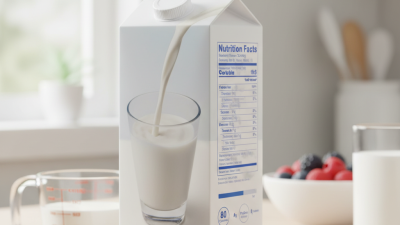
When shopping for skim milk in grocery stores, the first step is to check the nutritional label. Look for skim milk that is fortified with vitamins A and D, as this can help you glean additional health benefits. The label should clearly indicate that it is skim or nonfat milk, ensuring that you are avoiding the unnecessary calories and fat found in whole milk. Be sure to pay attention to the expiration date as well, opting for products with the longest shelf life for optimal freshness.
Additionally, consider the packaging of the skim milk. Cartons and opaque containers are preferable because they help protect the milk from light exposure, which can lead to nutrient degradation. When possible, look for milk that is organic or sourced from cows that are pasture-raised, as this can offer enhanced nutritional value and better overall quality. Lastly, keep an eye out for local brands, which may have fresher products and less processing, ensuring you receive a wholesome option to incorporate into your diet.