Is Fairlife Dairy Free What Global Buyers Should Know?
Is Fairlife dairy free? Global buyers need a careful answer, because Fairlife products are generally made from cow’s milk. The phrase “dairy free fairlife” may appear in online searches, but it can create confusion. Milk-based products cannot normally be described as dairy free. Some Fairlife drinks are lactose-free, which is different. Lactose is the natural sugar in milk, while dairy refers to the milk source itself.
This distinction matters in purchasing, labeling, and customer communication. A buyer should check the exact product name, ingredient list, allergen statement, and packaging date. Look closely at the carton. Words such as “ultra-filtered,” “lactose-free,” or “high protein” do not mean dairy free. Formulas may also differ between markets. Never rely only on a search result or distributor description.
Reliable sourcing requires more evidence. Ask the manufacturer or authorized supplier for current specifications, certificates, storage guidance, and laboratory information when necessary. Confirm refrigerated transport, shelf-life conditions, and language requirements for the destination market. Local food authorities and qualified compliance professionals should guide final decisions. This article separates lactose-free claims from dairy-free claims, helping importers, retailers, and foodservice buyers reduce avoidable errors. I should acknowledge one limitation: product portfolios and labels can change. Even experienced buyers can miss a small allergen line. Careful verification remains essential.
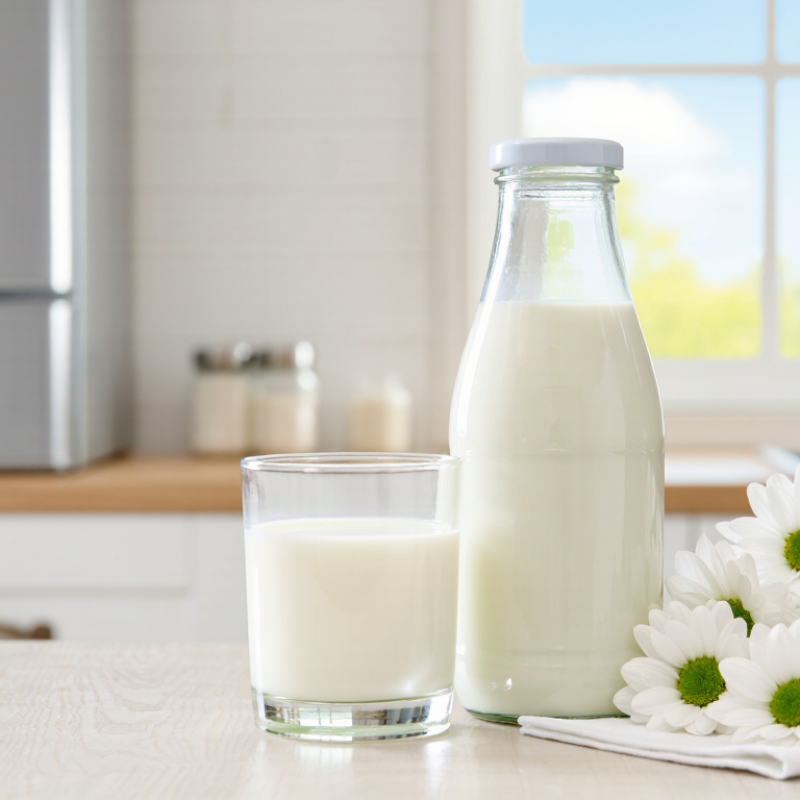
What Fairlife Dairy Free Really Means
The phrase “dairy free” means more than “lactose free.” A lactose-free product may still contain milk proteins, such as casein or whey. A genuinely dairy-free item should use no milk-derived ingredients. This distinction matters for buyers managing milk allergies, vegan requirements, or strict food-service policies.
In practical product reviews, I check the ingredient panel before trusting front-label wording. Look for milk, cream, butter, casein, whey, and milk powder. Also read the allergen statement and manufacturing notes. A product made on shared equipment may carry cross-contact warnings. Packaging can reveal useful details, including storage temperature, lot codes, country of origin, and translated instructions. Global buyers should also confirm local definitions, because “dairy free” claims may be interpreted differently across markets. A familiar label is not always enough. I have seen buyers focus on the large claim and overlook a small allergen line.
Tips: Ask suppliers for a current specification sheet and allergen declaration. Request laboratory or certification documents when the purchase involves sensitive consumers. Check every shipment, not only the first one. Formulas and packaging can change quietly. If the wording feels vague, pause the order and seek written clarification. That extra step may seem excessive, but a cheaper shortcut can create costly confusion.
Is Fairlife Dairy Free What Global Buyers Should Know? - What Fairlife Dairy Free Really Means
| Evaluation dimension | What the term or check means | Milk protein present? | Lactose present? | Buyer action |
|---|---|---|---|---|
| Dairy-free claim | The product is presented as containing no milk or milk-derived ingredients. The exact regulatory meaning can vary by market. | No milk protein should be intentionally added, but the label and supplier confirmation should be checked. | Normally no, because lactose is a milk sugar. | Verify the ingredient list, allergen declaration, and cross-contact controls. |
| Lactose-free claim | The product has had lactose removed, broken down, or reduced to a level permitted by the applicable market rules. | Yes, milk proteins such as casein or whey may still be present. | Reduced or treated; this does not automatically mean zero lactose. | Do not use a lactose-free claim as proof that a product is dairy-free. |
| Milk allergen declaration | Milk is a regulated major allergen in many jurisdictions, including the United States, European Union, United Kingdom, Canada, and Australia. | A declared milk allergen indicates that milk or a milk-derived ingredient may be present. | May be present or absent, depending on the formulation. | Review the legally required allergen statement for the destination market. |
| Ingredient-list screening | Look for milk, cream, butter, casein, caseinate, whey, milk powder, milk solids, lactose, and other milk derivatives. | Possible when casein, caseinate, whey, or other milk proteins are listed. | Possible when lactose, milk powder, or milk solids are listed. | Check the full ingredient list rather than relying only on front-of-pack wording. |
| “May contain milk” statement | A precautionary statement generally indicates a potential unintentional cross-contact risk during manufacturing or handling. | Potentially present through cross-contact, even when not an intentional ingredient. | Potentially present through cross-contact. | Treat the statement seriously for allergy-sensitive consumers and confirm the facility controls. |
| Plant-based beverage | A beverage made from sources such as soy, oats, almonds, peas, rice, or coconut rather than animal milk. | Usually not from milk, but added milk ingredients or cross-contact must still be checked. | Usually absent unless a milk-derived ingredient is added. | Check for other allergens, including soy, tree nuts, and gluten-containing cereals. |
| Nutrition comparison | Dairy-free alternatives can differ substantially in protein, calcium, vitamin D, added sugar, fat, and calories. | Not applicable as a nutrition measure. | Not applicable as a nutrition measure. | Compare the nutrition panel per 100 ml or per serving before making purchasing decisions. |
| Export and market compliance | Definitions, allergen rules, language requirements, and permitted claims differ across importing countries. | Must be assessed against the destination market’s allergen and labeling rules. | Claim requirements may differ by jurisdiction. | Obtain a current specification sheet, certificate of analysis, and market-specific label review. |
Key takeaway: “Lactose-free” does not mean “dairy-free.” A dairy-free assessment should be based on the complete ingredient list, milk allergen declaration, precautionary labeling, manufacturing controls, and destination-market requirements.
Related Posts
-
What Are the Nutrition Facts of Fairlife Milk in 2026?
-

Why Choose Fairlife Lactose Free Milk for a Healthier Lifestyle?
-
Top Tips for Sourcing Ultra Filtered Milk Worldwide?
-
Fairlife Milk Nutrition Facts You Need to Know For Trading?
-
What is a Whipped Cream Can and How Does It Work?
-
Why Choose Non Fat Milk for a Healthier Lifestyle?