What is Freeze Dried Fruits and How Are They Made?
Freeze Dried Fruits have gained momentum in the food industry. Recent reports indicate the freeze-dried fruit market is projected to grow by 7.7% annually. This growth reflects a rising consumer demand for healthy snacks. Freeze drying preserves flavor and nutrients. This process removes water through sublimation, keeping fruits light and shelf-stable.
Interestingly, while Freeze Dried Fruits are popular, quality varies significantly. Many consumers are unaware of the differences in brands. Some products contain added sugars or preservatives. Hence, it's crucial to read labels carefully. The nutritional value also depends on the fruit type and processing method used. High-quality freeze-dried fruits retain more nutrients than those produced poorly.
Despite their benefits, Freeze Dried Fruits are not suitable for everyone. Some individuals prefer fresh fruits for their texture and juiciness. There's also a perception that freeze-drying alters the taste. Addressing these concerns could enhance market growth. Industry players must educate consumers about the merits of freeze-dried products to maximize acceptance.
What Are Freeze Dried Fruits?
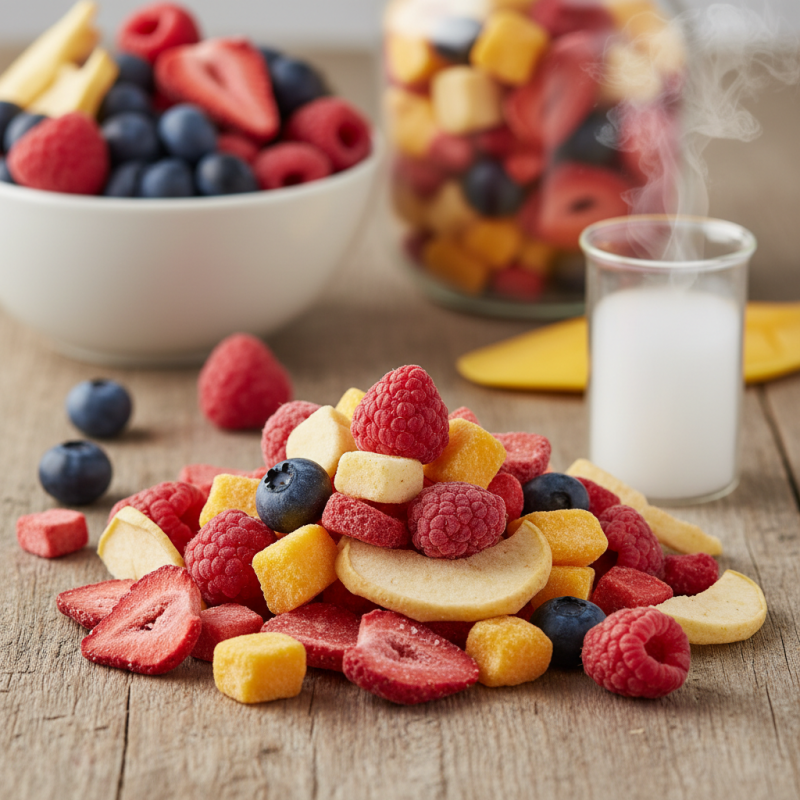
Freeze dried fruits are a unique snack option. They offer intense flavor and vibrant colors. The freeze-drying process removes moisture while preserving nutrients. This method involves freezing the fruit and then placing it in a vacuum. Ice converts directly to vapor, leaving behind dry fruit.
These fruits retain their original shape and taste, making them visually appealing. They crunch when you bite into them, adding a different texture to your snacks. However, the process can be costly and time-consuming. Some users may find the taste slightly different from fresh fruit. It can be an adjustment.
Despite these points, freeze dried fruits can be a healthy choice. They’re light and convenient for on-the-go snacking. You can toss them in cereal, yogurt, or use them in baking. They infuse dishes with fruity goodness. Remember, they should be stored properly to maintain quality.
What is Freeze Dried Fruits and How Are They Made? - What Are Freeze Dried Fruits?
| Fruit Type | Nutritional Value (per 100g) | Water Content (%) | Shelf Life (years) | Common Uses |
| Strawberries | 335 kcal, 7.7g protein, 0.3g fat, 76.1g carbohydrates | 90% | 25+ | Snacks, cereals, baking |
| Bananas | 346 kcal, 3.9g protein, 1.1g fat, 88.0g carbohydrates | 75% | 25+ | Smoothies, baking, snacks |
| Apples | 520 kcal, 0.3g protein, 0.2g fat, 139g carbohydrates | 86% | 25+ | Snacks, salads, desserts |
| Mangoes | 824 kcal, 2.4g protein, 0.6g fat, 192g carbohydrates | 83% | 25+ | Smoothies, desserts, snacks |
| Peaches | 39 kcal, 0.9g protein, 0.3g fat, 10g carbohydrates | 88% | 25+ | Salads, desserts, snacks |
The Benefits of Freeze Dried Fruits
Freeze dried fruits have gained popularity due to their numerous benefits. They retain most of their nutrients and flavors, making them a healthy snack option. Unlike regular dried fruits, freeze dried versions maintain a light, crispy texture. This makes them enjoyable to eat straight from the package or as toppings for various dishes.
One significant advantage is their longer shelf life. They can be stored for years without refrigeration. This is ideal for camping trips or emergency supplies. However, they lack moisture, which can make some people feel unsatisfied after eating them. Pairing freeze dried fruits with other snacks may enhance the overall experience.
Additionally, these fruits are versatile. They can be added to smoothies, cereals, or even baked goods. Yet, not all freeze dried fruits are created equal. Some may contain additives that compromise their benefits. It’s essential to read labels and choose options that are purely freeze dried. Finding the balance in enjoyment and nutritional value can sometimes feel overwhelming.
The Freeze Drying Process Explained
Freeze drying, or lyophilization, is a process used to preserve fruits while retaining their flavors and nutrients. The method begins with freezing the fruit at extremely low temperatures. This solid state helps maintain the structure of the fruit. Once frozen, the pressure is reduced, and heat is applied. This causes the ice to sublimate, transforming directly from solid to vapor.
During the freeze-drying process, about 98% of the water content is removed. This is significant because fruits high in water can spoil quickly. According to industry reports, freeze-dried fruits maintain 90-95% of their original nutrients. However, not all fruits freeze-dry equally well. Some may lose texture or taste.
Tips: When choosing freeze-dried fruits, look for vibrant colors. This indicates quality retention. Store them in airtight containers in a cool, dark place for maximum shelf life. Even with these methods, results can vary. Some fruits may need testing to find the best preservation outcome, adding an extra layer of consideration.
Common Fruits Used in Freeze Drying
Freeze dried fruits are gaining popularity for their convenience and long shelf life. Various fruits are commonly used in the freeze-drying process. This method involves removing moisture while retaining nutrients and flavor. Strawberries, blueberries, and apples are among the top choices for freeze drying. According to a market report, the freeze-dried fruit market is projected to grow significantly, driven by consumer demand for healthy snacks.
Strawberries are a favorite. They retain their vibrant color and sweet taste after freeze drying. Blueberries offer a burst of flavor and are rich in antioxidants. Apples add versatility to mixes, perfect for baking or snacking. Additionally, bananas are widely used, especially for breakfast cereals and smoothies. Data suggests that over 40% of freeze-dried products are fruits. This high demand reflects their appeal as nutritious and lightweight snacks.
While freeze-dried fruits are nutritious, not all fruits are suitable. Some fruits may lose texture or flavor during the process. For example, citrus fruits can become overly dry and lose their zest. Understanding the dynamics of freeze drying is crucial. Not every fruit yields the same results. Therefore, manufacturers must experiment with different fruits to achieve optimal outcomes. This exploration can lead to innovative products.
Storage and Usage Tips for Freeze Dried Fruits
Freeze dried fruits have become popular for their long shelf life and ease of use. However, proper storage is essential to maintain their quality. Ideally, keep them in a cool, dark place. A sealed, airtight container is vital. This prevents moisture from ruining the fruit. According to a recent market report, improperly stored freeze dried products can lose up to 50% of their nutrients within just three months.
When it comes to using freeze dried fruits, flexibility is key. They are great for snacking or adding to meals. For example, sprinkle them on yogurt or blend them into smoothies. They can rehydrate quickly when mixed with water or added to hot meals. The National Institute of Health states that freeze dried fruits retain about 90% of their original nutrients, enhancing their appeal. However, occasional batches can have inconsistent taste or texture. This can be a concern for some consumers seeking quality assurance.
Moreover, freeze dried fruits have a unique texture. This can be off-putting to some. The crunchiness is not for everyone. Experimenting with different fruits helps in finding the right fit for your palate. It's not uncommon for some users to feel that they need to adjust their expectations or recipes when using these fruits. Bridging the gap between expectations and actual experience can be a learning curve.