What are the Ingredients in Lactose Free Milk and How is it Made
Lactose free milk has emerged as a popular alternative for those who are lactose intolerant, serving as a vital source of nourishment without the discomfort associated with lactose consumption. As Dr. Emily Johnson, a leading expert in dairy science, notes, "Understanding lactose free milk ingredients is essential for consumers looking to make informed dietary choices." This statement underscores the importance of knowing what goes into the products we consume, particularly as lactose intolerance affects a significant portion of the population.
The process of making lactose free milk involves breaking down lactose, the sugar found in regular milk, into simpler sugars—glucose and galactose. This transformation not only renders the milk easier to digest but also preserves its nutritional value. The primary ingredients in lactose free milk include standard milk, lactase enzyme, and sometimes additional stabilizers or vitamins. By taking a closer look at these lactose free milk ingredients, consumers can better appreciate the science and innovation behind this dietary solution.
As the demand for lactose free products continues to rise, understanding these ingredients becomes paramount for both health-conscious individuals and those with dietary restrictions. With the right knowledge, consumers can seamlessly integrate lactose free milk into their diets, enjoying its benefits without the worry of discomfort commonly associated with lactose.
Ingredients in Lactose Free Milk: A Breakdown of Components
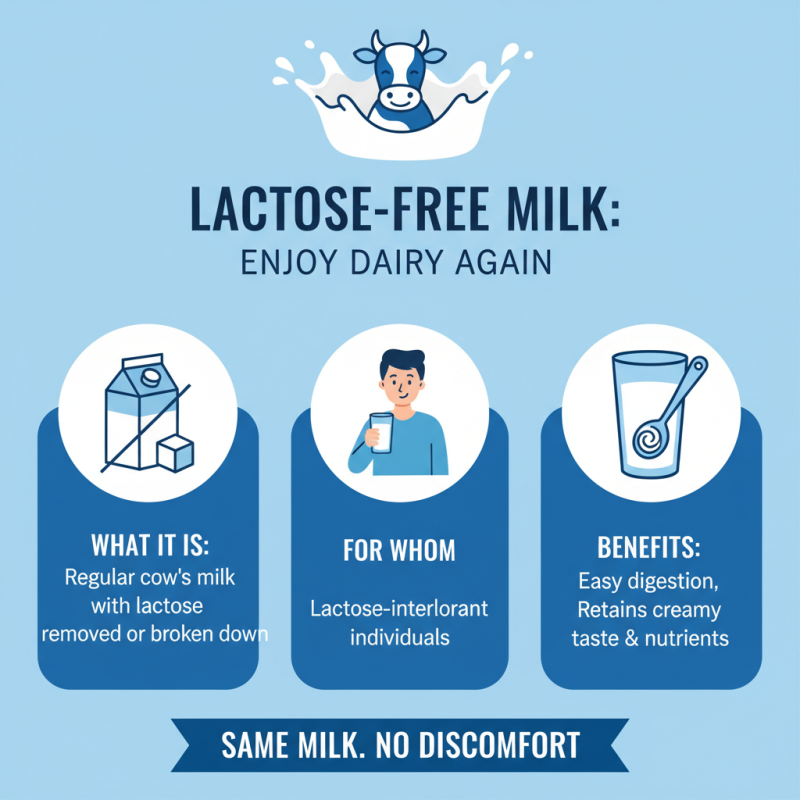
Lactose free milk is a specialized dairy product designed for individuals who are lactose intolerant, providing a pleasant alternative without sacrificing the creamy texture and taste of regular milk. The primary ingredient in lactose free milk is, of course, cow's milk from which the lactose is removed or broken down. This process ensures that people who have difficulty digesting lactose can still enjoy milk and its nutritional benefits.
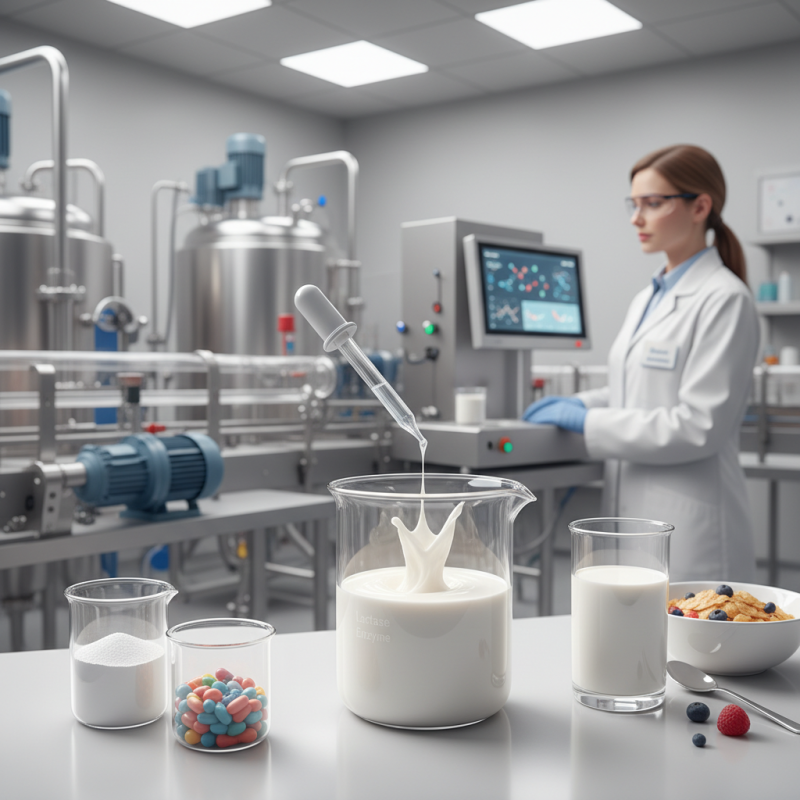
To produce lactose free milk, an enzyme called lactase is added to regular milk. Lactase breaks down lactose into its simpler sugars, glucose and galactose, which are easier to digest. This enzymatic process typically takes place before the milk is bottled and sold to consumers. Additional components of lactose free milk include vitamins and minerals that are naturally present in regular milk, such as calcium and vitamin D, which contribute to its nutritional profile. Some varieties may also have added vitamins to enhance their health benefits, ensuring that lactose free milk remains a viable source of nutrition for those who choose it.
The Process of Removing Lactose: Techniques and Methods Explained
Lactose-free milk is produced through various techniques designed to remove or break down lactose, the sugar found in regular milk that can cause digestive issues for many individuals. One commonly used method is enzymatic hydrolysis, where lactase, an enzyme that digests lactose, is added to regular milk. This process effectively breaks lactose down into its simpler sugars, glucose and galactose, which are easier for lactose-intolerant individuals to digest. According to a report by the Dairy Research Institute, approximately 65% of the global population has some degree of lactose intolerance, which has led to a significant increase in the demand for lactose-free dairy products.
Another technique used in the production of lactose-free milk is microfiltration. In this process, milk is passed through a membrane that separates lactose from the liquid. This results in a products that is low in lactose, retaining most of the nutritional value of regular milk. A study published in the International Dairy Journal indicates that microfiltration can remove up to 99% of lactose while maintaining the flavor and texture of the original milk. In conjunction with these methods, modern processing allows for the preservation of essential vitamins and minerals, making lactose-free milk both a practical and nutritious option for those with lactose intolerance.
What are the Ingredients in Lactose Free Milk and How is it Made
| Ingredient |
Function |
| Milk |
Base component providing proteins, fats, vitamins, and minerals. |
| Lactase |
Enzyme that breaks down lactose into glucose and galactose, making it digestible for lactose-intolerant individuals. |
| Calcium |
Essential mineral for bone health, often added to enhance nutritional value. |
| Vitamin D |
Important for calcium absorption and bone health; may be added to fortify the milk. |
| Stabilizers |
Help maintain the texture and consistency of the milk, preventing separation. |
Nutritional Comparison: Lactose Free Milk vs. Regular Milk
Lactose-free milk is a popular alternative for individuals who are lactose intolerant, ensuring they can enjoy dairy without discomfort. Nutritionally, lactose-free milk has a composition quite similar to that of regular milk. It contains the same essential nutrients such as calcium, protein, and vitamins D and B12. However, the primary difference lies in the lactose content; lactose-free milk is treated with lactase, an enzyme that breaks down lactose into simpler sugars, making it easier to digest.
When it comes to calorie content, lactose-free milk generally mirrors that of regular milk, meaning they offer comparable energy profiles. However, the slight variation in flavor and sweetness can be attributed to the breakdown of lactose, which can enhance the taste experience for some consumers. Protein levels are also comparable, providing essential amino acids necessary for various bodily functions. Overall, for those who choose lactose-free options, the nutritional benefits remain intact, allowing for a seamless substitution in one’s diet without sacrificing the goodness found in traditional milk.
Nutritional Comparison: Lactose Free Milk vs. Regular Milk
Health Benefits and Considerations of Consuming Lactose Free Milk
Lactose-free milk offers significant health benefits for those who are lactose intolerant, allowing individuals to enjoy dairy without discomfort. The process of creating lactose-free milk involves adding lactase, an enzyme that breaks down lactose into simpler sugars, glucose, and galactose. This enables a smoother digestion experience for individuals who struggle with traditional dairy products. By consuming lactose-free milk, people can still reap the numerous nutritional benefits associated with dairy, such as calcium, vitamin D, and protein, which contribute to bone health, muscle function, and overall wellness.
In addition to catering to lactose-intolerant individuals, lactose-free milk can also be beneficial for others. Some studies suggest that dairy alternatives may impact gut health positively by improving digestion and promoting the growth of healthy gut bacteria. Furthermore, since lactose-free milk retains the same flavor and texture as regular milk, it can easily be incorporated into various recipes and dietary plans without making significant changes. However, it is important for consumers to read labels carefully, as some brands may add additional sweeteners or other ingredients, which could affect overall health outcomes.
Market Trends: Demand and Production of Lactose Free Products
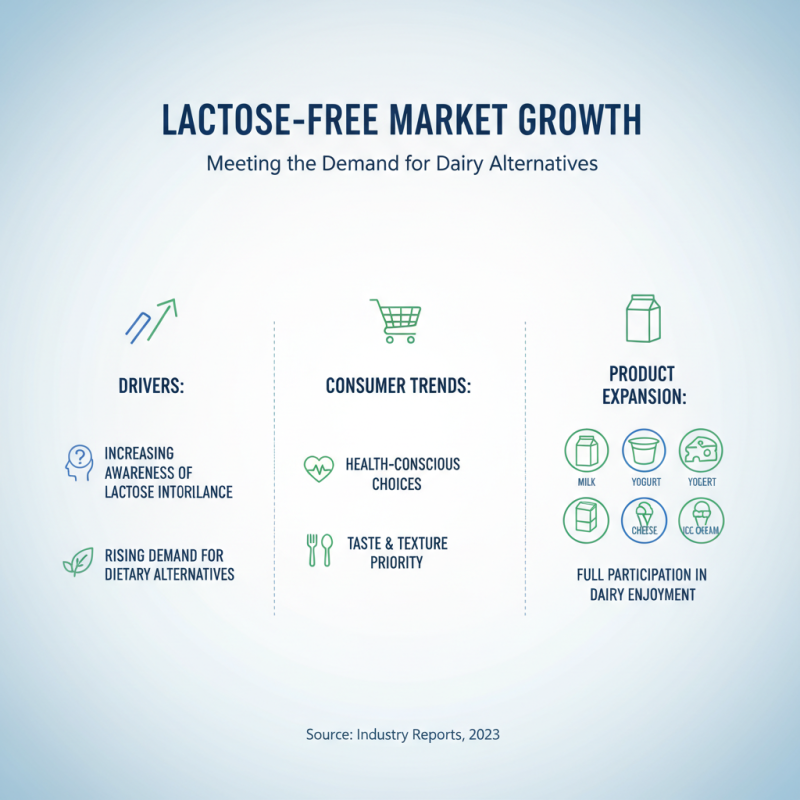
The market for lactose-free products has witnessed significant growth in recent years, driven by an increasing awareness of lactose intolerance and a rising demand for dietary alternatives. As consumers become more health-conscious, many are seeking products that cater to their dietary restrictions while still providing the taste and texture they enjoy. This trend is not limited to milk alone but extends to various dairy products such as yogurt, cheese, and ice cream, allowing lactose-intolerant individuals to participate fully in the consumption of dairy without discomfort.
Producers have adapted to this growing demand by enhancing their production capacities and refining their processes for creating lactose-free options. The primary method involves adding lactase, an enzyme that breaks down lactose into simpler sugars, making it easier to digest. Advances in technology have also facilitated the development of more effective production techniques, enabling manufacturers to produce larger quantities of high-quality lactose-free products. As the market continues to expand, innovation and consumer feedback will play crucial roles in shaping the future of lactose-free product offerings, ensuring they meet both nutritional needs and taste preferences.