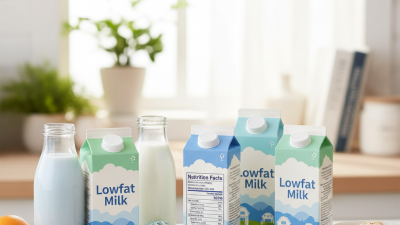
What is Non Fat Milk and Its Benefits for Global Buyers?
Non fat milk is a popular choice among health-conscious consumers. It offers a lower calorie option compared to whole milk. Many buyers appreciate its versatility in cooking and baking. Non fat milk retains essential nutrients, such as calcium and vitamin D, which are vital for bone health.
As dietary trends shift, non fat milk has gained traction in various markets. It appeals to those aiming to reduce fat intake without sacrificing flavor. However, some consumers question its taste compared to whole milk. This ongoing debate prompts reflection on individual preferences and dietary habits.
Finally, the global demand for non fat milk has increased significantly. Buyers are now looking for reliable sources and quality products. Understanding its benefits can empower consumers to make informed choices.
Understanding Non-Fat Milk: Definition and Composition
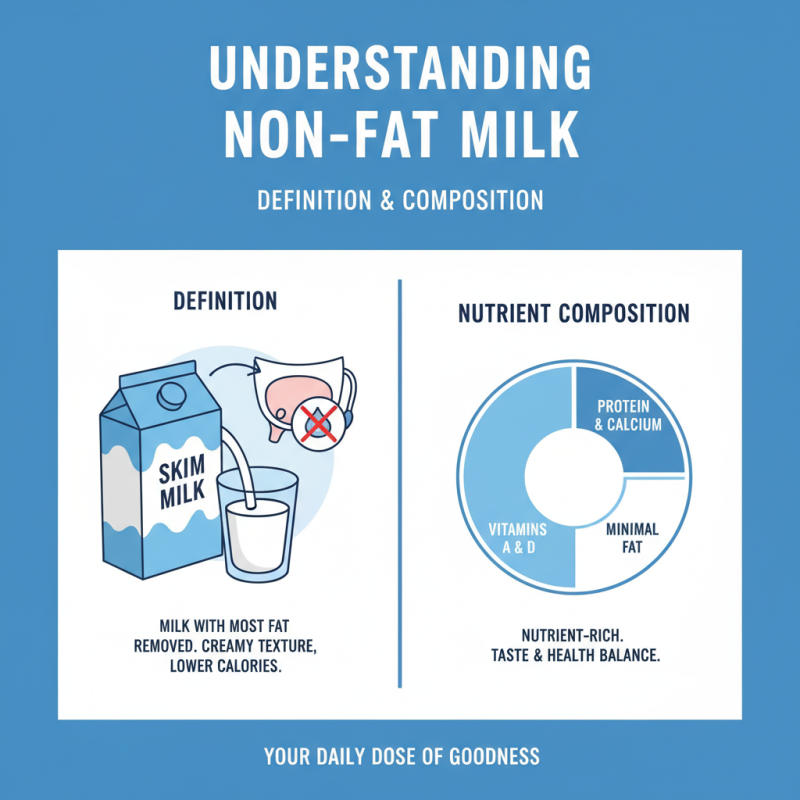
Non-fat milk, often referred to as skim milk, is rich in nutrients while having minimal fat content. It is produced by removing most of the milk fat, leaving behind a creamy texture that is lower in calories. This milk variety retains proteins, calcium, and vitamins like A and D. Many consumers appreciate this balance between taste and health.
Understanding its composition is crucial. Non-fat milk contains about 0.5% fat, compared to whole milk which can have about 3.25%. The reduction in fat often leads to a different mouthfeel. Some may find it less satisfying than whole milk. However, it still provides essential nutrients that support bone health and muscle maintenance.
Many buyers, especially those watching their weight, choose non-fat milk as a healthier option. Yet, it’s important to reflect on individual taste preferences. Not everyone enjoys the lighter taste, and the lack of fat can affect the absorption of fat-soluble vitamins. As we explore healthier choices, we must consider the nutritional trade-offs. Non-fat milk can be a smart choice, but personal preferences play a significant role in its acceptance.
Nutritional Benefits of Non-Fat Milk for Health-Conscious Consumers
Non-fat milk is a popular choice among health-conscious consumers. It offers the same essential nutrients as whole milk but with fewer calories and less fat. This makes it an appealing option for those looking to manage their weight. One cup of non-fat milk provides a good dose of calcium, vitamin D, and protein, all critical for bone health and muscle function.
Health benefits extend beyond weight management. Drinking non-fat milk can support cardiovascular health. Lower fat intake is linked to decreased cholesterol levels. Additionally, for those who are lactose intolerant, lactose-free options are available. So even they can enjoy the benefits of milk without discomfort.
However, it’s important to reflect on personal dietary needs. Not everyone will thrive on a low-fat diet. Some may require healthy fats for optimal health. Understanding individual nutritional requirements is crucial. Consulting with a healthcare professional can help tailor choices to personal needs. In this way, consumers can make enlightened decisions while enjoying the rich benefits of non-fat milk.
What is Non Fat Milk and Its Benefits for Global Buyers?
| Nutritional Component |
Amount per 1 Cup (240 ml) |
Daily Value % |
| Calories |
83 |
4% |
| Protein |
8 g |
16% |
| Calcium |
302 mg |
30% |
| Vitamin D |
2.5 µg |
13% |
| Potassium |
407 mg |
12% |
| Sodium |
105 mg |
4% |
Non-fat milk is a healthy option for maintaining dietary goals while still enjoying the benefits of dairy.
Comparison of Non-Fat Milk and Whole Milk: Key Differences
Non-fat milk and whole milk differ significantly in their composition and health benefits. Non-fat milk contains little to no fat, making it a popular choice for those aiming to reduce calorie intake. This type of milk has around 80 calories per cup, while whole milk boasts about 150 calories. The lower fat content in non-fat milk can benefit those managing their weight or looking for healthier diet options.
Moreover, the nutrient profile varies. Non-fat milk still retains important vitamins like A and D, but it lacks the creamy texture and richness that whole milk offers. For baking or cooking, replacing whole milk with non-fat can alter texture and flavor. It’s essential to consider how these differences might affect your meal preparation.
Tip: If you're transitioning from whole milk to non-fat, do it gradually. Start by mixing the two, allowing your palate to adjust without a sudden impact.
Some people may miss the creamy taste of whole milk, which prompts a search for alternatives. While non-fat milk might lack some desirable flavors, adding spices or flavorings can enhance its appeal.
Tip: Experiment with adding vanilla or cocoa powder to non-fat milk. This can elevate the taste while keeping calorie counts low. Adjusting your choices based on these differences can improve your diet.
Global Market Trends: Demand for Non-Fat Milk Products
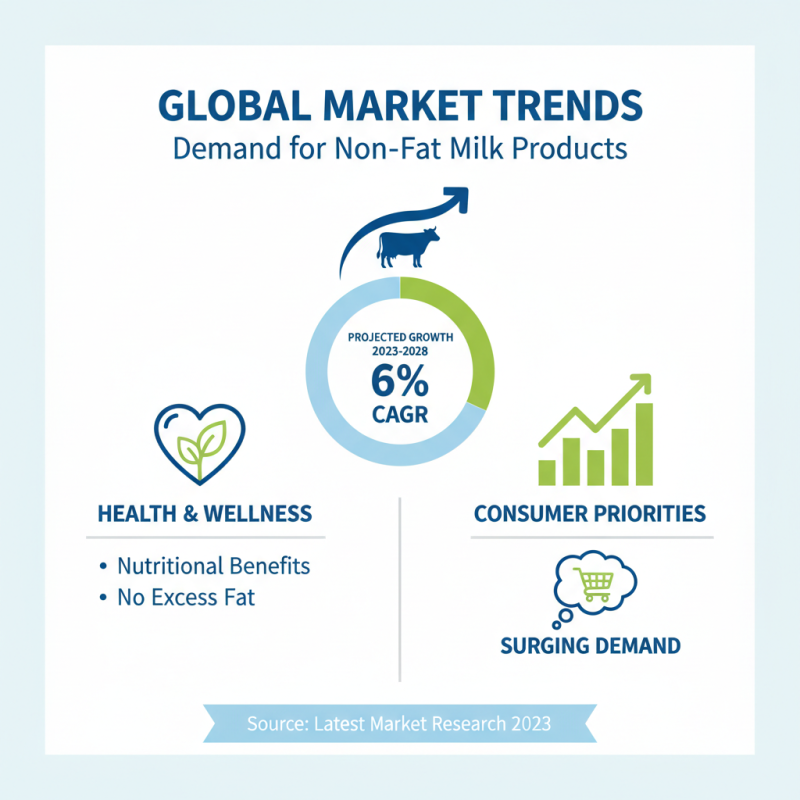
The global demand for non-fat milk products has been surging. According to the latest market research, the non-fat milk segment is projected to grow at a compound annual growth rate (CAGR) of 6% from 2023 to 2028. Consumers are increasingly prioritizing health and wellness. They seek products that offer nutritional benefits without excess fat.
In North America and Europe, health-conscious lifestyles drive this trend. For instance, a report from the Dairy Research Institute states that 55% of consumers are looking for lower-fat dairy alternatives. This growing focus on fitness and diet has reshaped purchasing patterns. However, amid this growth, many buyers overlook the importance of quality. Not every non-fat milk product on the shelf meets stringent nutritional standards.
Another factor in this evolving market is the rise of plant-based diets. Some consumers view non-fat milk as a bridge between traditional dairy and plant-based alternatives. Many nutritionists suggest that while non-fat milk can be beneficial, it is essential to ensure adequate vitamin D and calcium intake. There remains a complex relationship between choice and nutritional adequacy. Balancing personal health goals with sensory experiences can pose challenges for many consumers.
How to Incorporate Non-Fat Milk into a Balanced Diet
Incorporating non-fat milk into your diet can be simple and enjoyable. It is low in calories yet rich in essential nutrients. Try adding it to your morning smoothie. This adds creaminess without extra fat. You can also use it in baking. Replace whole milk with non-fat milk in recipes for pancakes or muffins. This can lighten up your treats while still providing moisture.
Consider using non-fat milk in cereals and oatmeal. It enhances flavor without the heaviness. Mixing non-fat milk with coffee can create a lighter latte. This can be a satisfying alternative to cream or full-fat milk. However, be mindful of added sugars in flavored varieties. Reading labels is essential for balanced nutrition.
It’s important to balance non-fat milk with other food groups. Pair it with fruits, nuts, or whole grains. This ensures a variety of nutrients. Monitor how your body responds, as some may feel less satisfied with non-fat versions. Adjustments might be necessary based on personal preferences. Experiment with this versatile ingredient to find what works for you.
Benefits of Non-Fat Milk in a Balanced Diet
Non-fat milk is a low-calorie, nutritious option that offers several health benefits while helping to maintain a balanced diet. It provides essential nutrients such as calcium and protein without the added fat, making it a great choice for individuals aiming to reduce fat intake. This chart illustrates the nutritional components of non-fat milk, highlighting its beneficial elements for consumers globally.