Skim milk is often overlooked, yet it offers significant nutrition in skim milk that can enhance a healthy diet. According to the USDA, a cup of skim milk provides about 8 grams of protein and is fortified with vitamin D and calcium. This combination supports bone health and muscle function. Many health professionals recommend incorporating low-fat dairy into daily meals.
Despite its benefits, some people perceive skim milk as less flavorful. This view can lead to missed opportunities for important nutrients. Research shows that dairy products contribute to about 12% of the daily calcium intake for adults. This statistic highlights the importance of including dairy, especially skim milk, in one’s diet.
Moreover, nutrition in skim milk is crucial for weight management. A study published in the Journal of Nutrition indicates that low-fat dairy can aid in weight control. However, individuals must also be mindful. Not all skim milk products are equal; added sugars can diminish health benefits. Choosing pure skim milk is essential for maximizing nutrition.
Skim milk is often overlooked in discussions about nutrition. However, it is rich in essential vitamins and minerals that support overall health. For example, a cup of skim milk typically contains about 30% of the daily value of vitamin D. This vitamin is crucial for calcium absorption, which helps maintain strong bones. The Institute of Medicine underscores the importance of vitamin D for preventing osteoporosis, citing that adequate intake is particularly vital as we age.
In addition to vitamin D, skim milk is a significant source of calcium. One cup provides around 300 mg of calcium, which is about 30% of the recommended daily intake for adults. Calcium plays a key role in muscle function and nerve transmission. It's alarming to note that nearly 43% of the U.S. population does not get enough calcium, according to the National Institutes of Health. This deficiency can lead to various health issues, including increased fractures and weakened bones.
Skim milk also contains other vital nutrients like potassium and vitamin B12. Potassium helps in regulating blood pressure. It’s surprising, but many people are unaware of how crucial this mineral is for heart health. The consumption of adequate potassium is consistently correlated with a lower risk of heart disease. Yet, many diets are lacking this important nutrient. By incorporating skim milk into a daily routine, individuals can significantly improve their nutritional intake.
| Nutrient | Amount per 1 Cup (Skim Milk) | Daily Value (%) |
|---|---|---|
| Calcium | 302 mg | 30% |
| Vitamin D | 2.5 mcg | 16% |
| Protein | 8 g | 16% |
| Vitamin B12 | 1.2 mcg | 50% |
| Potassium | 388 mg | 11% |
| Phosphorus | 247 mg | 25% |
When comparing skim milk with whole milk, the nutritional differences are quite striking. Skim milk has significantly less fat, which leads to fewer calories. This is beneficial for those looking to manage their weight. For example, a cup of skim milk contains about 80 calories, while whole milk has around 150 calories. This reduction in fat also decreases saturated fat content, making skim milk a healthier option for heart health.
However, this reduction in fat comes with trade-offs. Some essential nutrients, like vitamin D and A, are fat-soluble. Skim milk may not provide as much of these vitamins unless fortified. So, while you enjoy this lighter option, think about what you're missing. The taste and texture are different too. Some people find skim milk lacks the richness that whole milk offers. This can influence choices at breakfast or in recipes. Overall, it's essential to balance these factors when choosing between skim and whole milk.
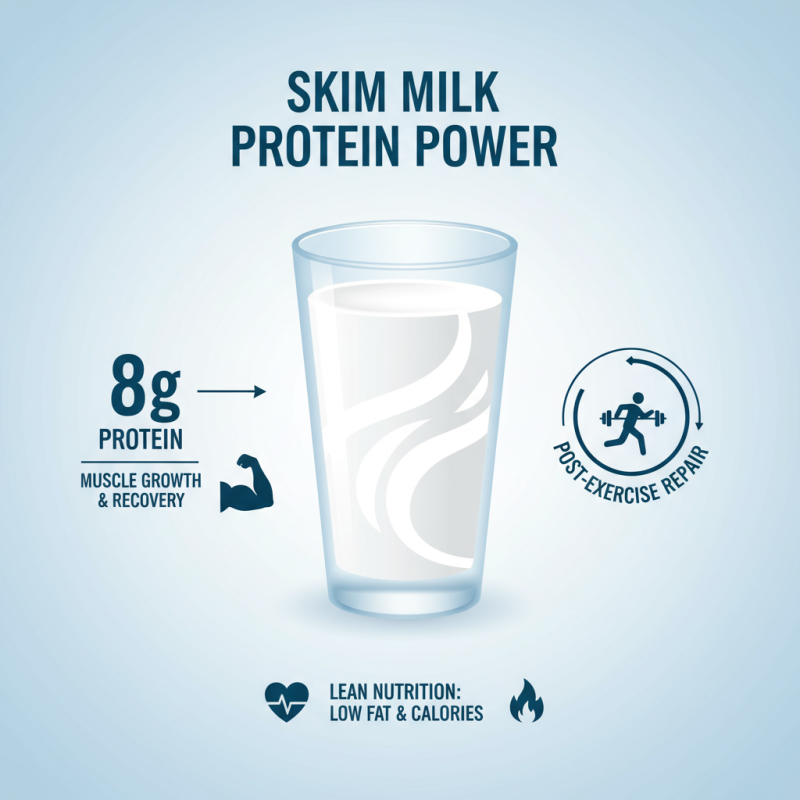
Skim milk is a fantastic source of protein. Each cup contains about 8 grams of high-quality protein. This nutrient is vital for muscle growth and recovery. Studies show that consuming protein post-exercise can enhance muscle repair and reduce soreness. Skim milk offers these benefits without excess fat and calories.
The amino acids in skim milk support the body in rebuilding muscle fibers. This process is essential after a workout. The branched-chain amino acids (BCAAs) found in milk particularly help in muscle recovery. Research indicates that BCAAs can decrease muscle damage and promote faster recovery. Many athletes include skim milk in their post-workout routine for these reasons.
Tips: Pair skim milk with a banana for a quick recovery snack. You’ll get a balance of protein and carbohydrates. Also, consider using it in smoothies or shakes. It adds creaminess while still being low in fat. Remember, adjusting your nutrient intake can impact performance. Thus, keep evaluating what works best for your body.
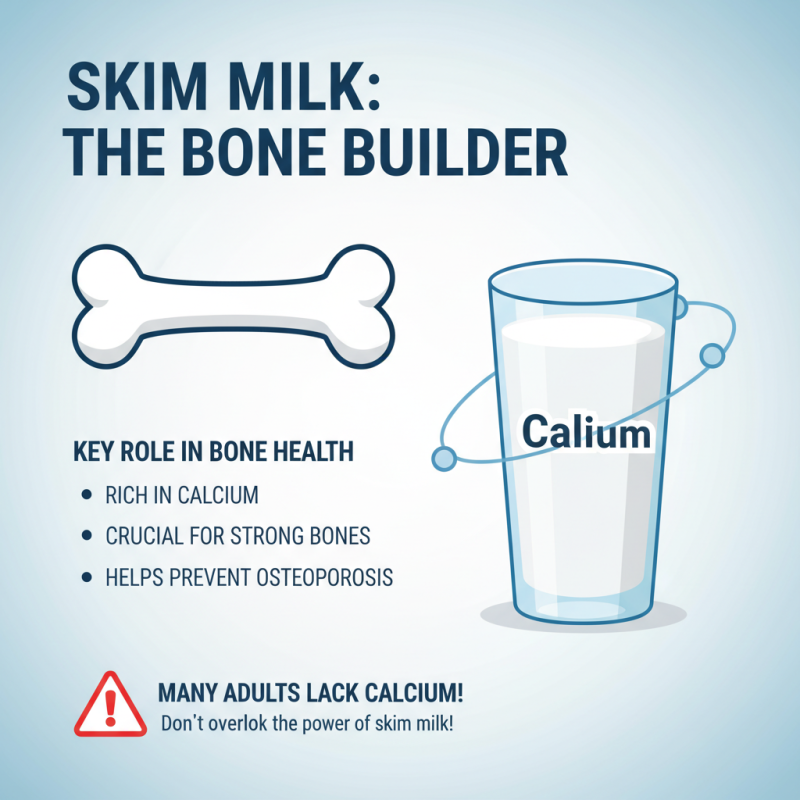
Skim milk is often overlooked. Yet, it plays a vital role in bone health. One of the key nutritional components of skim milk is calcium. This mineral is crucial for developing and maintaining strong bones. Consuming sufficient calcium can help prevent osteoporosis, a condition that weakens bones. Many adults do not get enough calcium in their diets. This can lead to serious health issues.
A glass of skim milk provides about 30% of the daily recommended calcium intake. It is a rich source, making it an excellent choice for those watching their fat intake. Adding skim milk to your meals is easy. You can pour it over cereal or blend it into smoothies. However, some people may not enjoy the taste. They might prefer whole milk or other dairy alternatives. It's important to consider personal preferences while ensuring adequate calcium intake.
Additionally, vitamin D is often added to milk. This vitamin enhances calcium absorption in the body. Without enough vitamin D, calcium might not be effective. Many people live with low vitamin D levels, affecting their bone health. This is worth reflecting on. Balancing taste preferences and nutritional needs can be challenging. Prioritizing your health should be a holistic endeavor.
Skim milk is a popular choice for many. It offers essential nutrients while reducing fat intake. However, the lactose in skim milk can pose challenges for some individuals. Understanding lactose is crucial for digestive health.
Lactose is a natural sugar found in milk. For most, it's easily digestible. Yet, some people experience discomfort when consuming dairy. Symptoms like bloating or stomach cramps can occur due to lactose intolerance. This can lead to a cautious approach to skim milk for these individuals. Experimenting with dairy alternatives might be necessary.
On the positive side, skim milk maintains key nutrients like calcium and vitamin D. These nutrients support strong bones and overall health. Balancing skim milk intake with other food sources can enhance nutrition. Listening to your body is important. If skim milk causes adverse reactions, exploring lactose-free options could be beneficial. Embracing dietary adjustments is a part of maintaining digestive well-being.
This chart illustrates the nutritional components of skim milk and their impact on digestive health. The key components highlighted are Protein, Calcium, Vitamin D, and Lactose content.