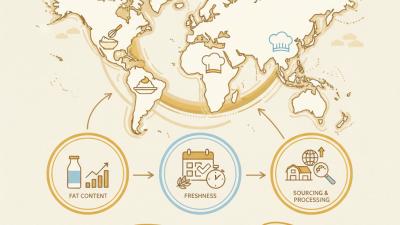
How to Source High Quality Lactose Milk for Global Buyers?
Lactose milk has gained popularity among health-conscious consumers worldwide. Its unique benefits attract various markets, including those with dietary restrictions. Sourcing high-quality lactose milk is essential for global buyers seeking reliable suppliers.
To achieve this, buyers need to understand the production process. Not all lactose milk is created equal; some brands may lack the nutritional profile expected. Healthcare professionals often recommend lactose milk for its digestibility and taste. Knowing reliable sources helps buyers avoid low-quality products.
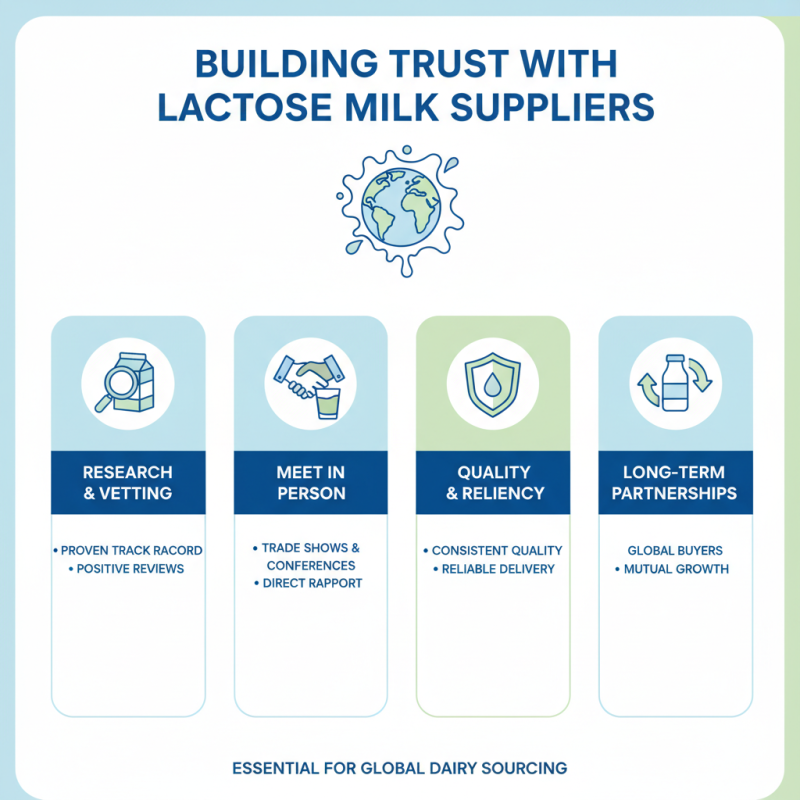
Buyers should look for suppliers committed to quality control. Many manufacturers adhere to strict standards. However, not every product meets expectations. It’s crucial to ask for certifications and conduct thorough research before making commitments. A transparent supply chain promotes trust and reliability in sourcing lactose milk.
Understanding the Global Demand for High-Quality Lactose Milk
The global demand for high-quality lactose milk is on the rise. Reports show that the lactose-free milk market is expected to grow from $8.9 billion in 2022 to $15.7 billion by 2032. This significant increase highlights the growing consumer preference for lactose-free options. Factors include lactose intolerance, health consciousness, and the quest for dairy alternatives.
In the U.S., about 68% of the population is lactose intolerant to some degree. This condition drives the demand for lactose-free products. Meanwhile, Europe is experiencing similar trends, with countries like Germany and France leading in lactose-free milk consumption. High-quality production methods are crucial. Testing and ensuring low lactose levels can make products appealing to those with dietary restrictions.
Sourcing high-quality lactose milk requires diligence. Suppliers must focus on
quality control and maintain strict hygiene standards. Reliable contracts with dairy farms can help secure consistent quality. However, market fluctuations pose challenges. Prices can vary based on demand and supply issues. This uncertainty necessitates robust risk management strategies in sourcing. Achieving a balance between quality, cost, and availability remains a challenge for suppliers in a competitive landscape.
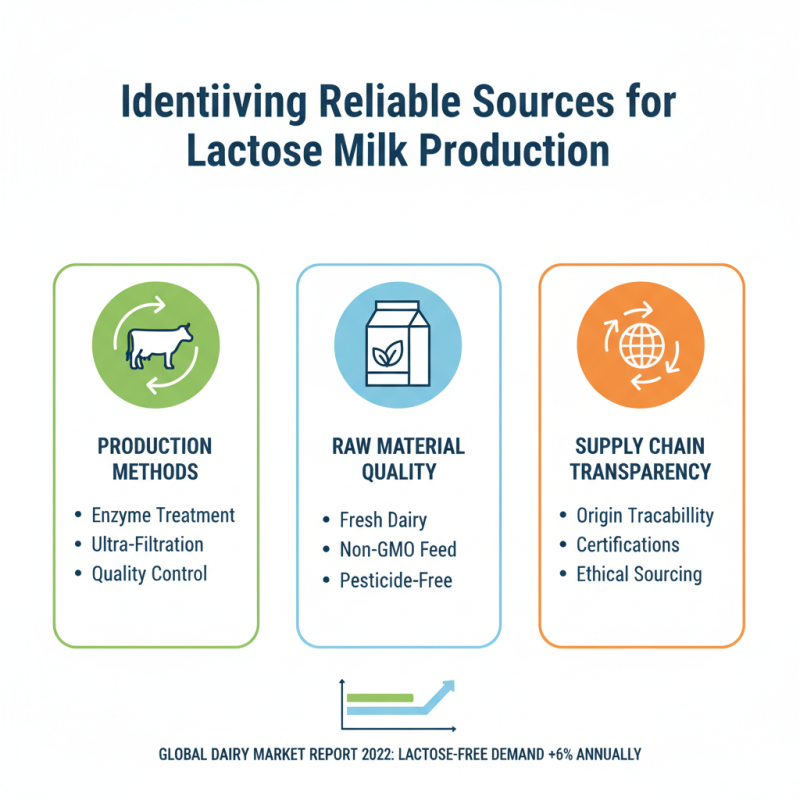
Identifying Reliable Sources for Lactose Milk Production
Identifying reliable sources for lactose milk production involves understanding both the quality and origin of the product. Data from the Global Dairy Market Report 2022 indicates that the demand for lactose-free products is on the rise, with a growth rate of over 6% annually. This growth highlights the need for sourcing high-quality lactose milk. It's essential to consider factors like production methods, raw material quality, and the transparency of supply chains.
One way to ensure reliability is through certifications. Look for suppliers who adhere to international dairy standards. These certifications indicate that the suppliers maintain high levels of hygiene and quality in the production process. Additionally, staying informed about the geographical sources of lactose milk can help buyers assess potential quality variations. Certain regions are known for superior dairy farming practices, impacting the final product's quality.
However, sourcing high-quality lactose milk is not without challenges. There may be inconsistencies depending on seasonal factors or climate impacts on production. It's crucial for buyers to engage in continuous dialogue with suppliers to ensure stability. This can also help identify potential risks in the supply chain that could affect product availability and quality. Achieving a reliable source requires effort and diligence in research and communication.
Assessing Quality Standards for Lactose Milk Supply
When sourcing high-quality lactose milk, understanding quality standards is crucial. Buyers should first define their specifications. Different regions have varying standards. Familiarity with regulations ensures compliance and helps maintain safety.
Testing for lactose levels is essential. This provides insight into how the product meets nutritional expectations. Certifications from reputable organizations also add to credibility. However, not all suppliers may have up-to-date credentials. Regular audits help confirm their reliability.
Another key aspect is assessing production methods. High-quality lactose milk often comes from farms that prioritize animal welfare. Pasture-raised cows tend to produce superior milk. Monitoring the supply chain can highlight potential concerns. Recognizing these factors improves the chances of sourcing the best products. Each detail matters in ensuring the milk's quality and safety.
How to Source High Quality Lactose Milk for Global Buyers? - Assessing Quality Standards for Lactose Milk Supply
| Quality Parameter |
Standard Value |
Testing Method |
Acceptable Range |
| Lactose Content |
≥ 80% |
HPLC |
75% - 85% |
| Moisture Content |
≤ 5% |
Drying method |
≤ 6% |
| pH Level |
4.5 - 6.5 |
pH Meter |
4.0 - 7.0 |
| Microbial Load |
< 100 cfu/g |
Petri Dish Method |
< 1000 cfu/g |
| Color (Yellowness) |
≤ 7.0 |
Colorimeter |
≤ 10.0 |
Logistics and Distribution Challenges for Global Lactose Milk Buyers
Logistics and distribution pose significant challenges for global lactose milk buyers. According to the International Dairy Federation, an 80% increase in lactose milk demand is expected by 2025. However, many suppliers struggle to meet this demand due to various logistical hurdles. This discrepancy creates a gap in the market that needs attention.
Transporting lactose milk requires careful handling. The product must be kept at specific temperatures to maintain its quality. A significant percentage of lactose milk can spoil during transit if proper refrigerated transport is not used. This risk can lead to financial losses, affecting both suppliers and buyers. Additionally, shipping costs can vary significantly depending on the region, impacting pricing strategies.
Import regulations also create complications. Different countries have unique standards for food products, making compliance essential but challenging. Buyers must navigate these regulations to ensure timely delivery. A study from the Food and Agriculture Organization highlights that misalignment in standards can delay shipments by weeks. These challenges require a strategic approach to sourcing lactose milk that considers logistics and regulatory environments.