How to Understand Nonfat Milk Nutrition for Better Health?
Understanding nonfat milk nutrition is crucial for those seeking healthier dietary habits. This type of milk offers essential nutrients without the added fat. It can be a valuable source of protein, calcium, and vitamins. However, not everyone is aware of its full benefits and potential drawbacks.
Many people choose nonfat milk thinking it is always the best option. They may overlook the importance of balance in their diets. For some, the lack of fat means fewer calories, but it also reduces satiety. This can lead to overeating other foods later.
The journey to understanding nonfat milk nutrition involves learning about its role in a balanced diet. To maximize benefits, consider individual health needs. Research can guide choices, but personal experience matters too. Choosing the right dairy product is not a one-size-fits-all answer. The key lies in mindful consumption and understanding one's nutritional needs.
Understanding the Nutritional Profile of Nonfat Milk: Key Components
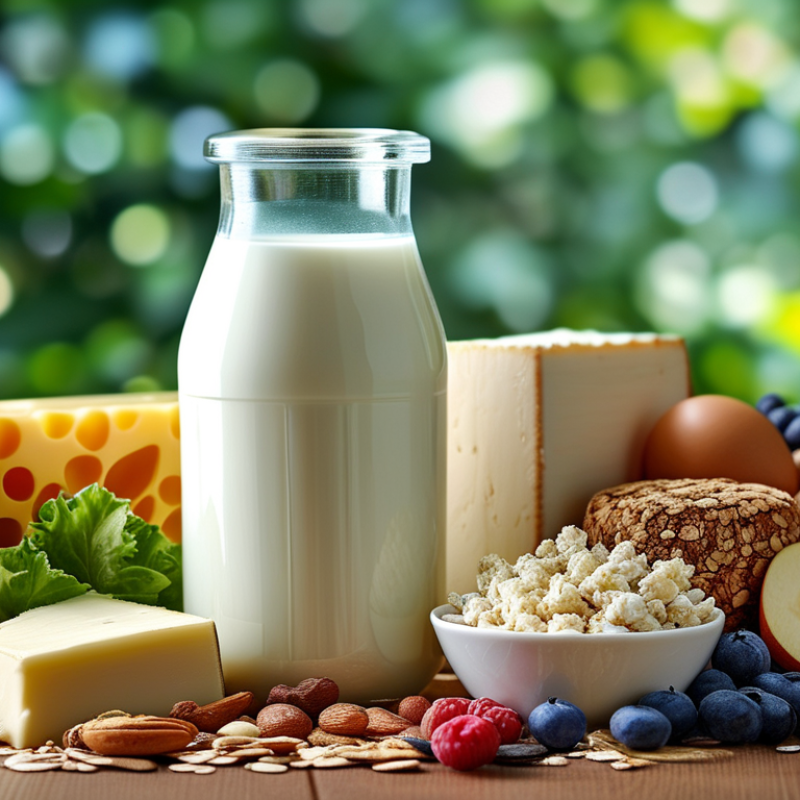
Nonfat milk offers a unique nutritional profile that supports a balanced diet. It contains essential nutrients such as calcium, vitamin D, and proteins. With a lower fat content, nonfat milk is appealing for those looking to reduce their calorie intake while still obtaining vital nutrients. However, some may miss the creaminess of whole milk, leading to a potential decrease in satisfaction with their diet.
It's important to consider what nonfat milk lacks. Some vitamins, like A and E, are fat-soluble, meaning they require fat for optimal absorption. Relying solely on nonfat options could lead to deficiencies. Balancing nonfat milk with healthy fats from foods like nuts or avocados might help.
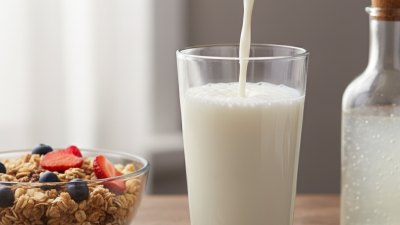
Tips for incorporating nonfat milk into your diet: Start by using it in smoothies. Blending fruits with nonfat milk gives a creamy texture. For cooking, it works well in soups or sauces, enhancing flavor without added fat. Lastly, add it to your morning cereal for a nutritious start. Enjoy nonfat milk, but remember to balance it with other foods.
Comparing Nonfat Milk to Whole Milk: Nutritional Differences Explained
When comparing nonfat milk to whole milk, significant nutritional differences emerge. Nonfat milk retains all the essential nutrients found in whole milk, minus the fat content. For example, one cup of nonfat milk contains approximately 80 calories, while whole milk has around 150 calories. This reduction in calories can support weight management efforts.
The fat content in whole milk is about 8 grams per cup, compared to nonfat milk, which has virtually none. This difference affects how these milks fit into a balanced diet. Nutrients like calcium and Vitamin D remain high, providing benefits for bone health. However, some individuals may miss the satiety that fat provides, potentially leading to increased hunger after consumption of nonfat options.
Research indicates that fat in dairy can influence the absorption of fat-soluble vitamins. For instance, consuming nonfat milk might lead to lower absorption of these important nutrients. Thus, while nonfat milk is lower in calories, it may not always be the best choice for everyone. Considering individual dietary needs is crucial in making the best decision between these two options.
Health Benefits of Nonfat Milk: Calcium, Protein, and Low Calories
Nonfat milk is a nutritional powerhouse. It’s packed with calcium, vital for strong bones and teeth. According to the USDA, one cup of nonfat milk provides about 300 mg of calcium. This mineral is essential for many bodily functions, including muscle contractions and nerve signaling.
Another key benefit is the high protein content. Nonfat milk contains approximately 8 grams of protein per cup. This aids muscle recovery, making it a great choice post-workout. Additionally, with only around 80 calories per serving, it fits well into calorie-conscious diets.
Tip: When incorporating nonfat milk into your diet, consider pairing it with whole grain cereals or fruits. This can enhance nutrient absorption. Try substituting heavy cream in recipes with nonfat milk for a healthier twist. Remember, though, moderation is key. Not everyone may tolerate dairy well, leading to possible digestive issues. Always listen to your body and consult a healthcare provider if unsure.
Potential Risks of Nonfat Milk: Considerations for Lactose Intolerance
When considering nonfat milk, it's crucial to address lactose intolerance. Many people lack the enzyme lactase. This can lead to digestive issues when consuming dairy products. Symptoms may include gas, bloating, and diarrhea. Nonfat milk does retain lactose, which can affect those sensitive to it.
If you enjoy nonfat milk but are lactose intolerant, here are some tips. First, look for lactose-free alternatives. They provide similar nutritional benefits without the discomfort. Second, consider pairing nonfat milk with fiber-rich foods. This can help ease digestion. Finally, start with small amounts. Monitor how your body responds.
Always consult with a healthcare provider if you have concerns. Individual tolerance levels vary widely. Adjusting your diet should be done mindfully. Listening to your body is key. Nonfat milk can be part of a healthy diet for many, but understanding personal limits is essential.
Incorporating Nonfat Milk into a Balanced Diet: Practical Tips and Recipes
Incorporating nonfat milk into your diet can be simple and rewarding. First, consider adding it to your morning smoothie. Blend nonfat milk with spinach, a banana, and berries. This not only boosts flavor but also adds nutrients. The creamy texture enhances the smoothie’s richness without excess calories.
Cooking with nonfat milk is another great option. Substitute it for cream in soups and sauces. You will reduce fat while keeping a delightful taste. Try making a creamy pasta dish with garlic, onions, and your choice of veggies. The nonfat milk adds creaminess without the heaviness of full-fat options.
Don’t forget about snacks. Enjoy a bowl of nonfat yogurt with honey and nuts for a satisfying treat. This combination offers protein and good fats. However, be mindful of portion sizes. Balance is key, and moderation is essential to avoid over-consuming. Using nonfat milk creatively can transform your meals while keeping health in check.