Understanding the Skim Milk Nutrition Label: Key Information You Need
In recent years, skim milk has gained considerable attention as a health-conscious alternative to whole milk, largely due to its lower fat content and higher protein levels. Understanding the skim milk nutrition label is crucial for consumers striving to make informed dietary choices. According to a report by the International Dairy Foods Association, the demand for low-fat dairy products, including skim milk, has surged by nearly 20% over the last decade, driven by a growing awareness of nutrition and wellness among consumers.
Skim milk not only provides essential nutrients like calcium, vitamin D, and potassium but also presents a significantly reduced calorie count compared to its full-fat counterparts, making it an attractive option for those monitoring their weight. Industry data indicate that one cup of skim milk contains about 80 calories and 8 grams of protein, compared to about 150 calories and 8 grams of protein in whole milk. This discrepancy highlights the importance of the skim milk nutrition label for consumers, enabling them to make better dietary decisions aligned with their health goals.
As the demand for transparent and informative nutrition labeling continues to rise, understanding the specifics of the skim milk nutrition label becomes essential for consumers. Familiarizing oneself with this label can lead to healthier lifestyle choices and contribute to overall well-being, reinforcing the significance of nutritional education in today’s marketplace.
Key Nutritional Components of Skim Milk Explained
Skim milk, often seen as a healthier alternative to whole milk, provides essential nutrients without the added calories from fat. This milk variety is particularly low in calories, making it an excellent choice for those aiming to reduce their fat intake while still obtaining necessary vitamins and minerals. The removal of fat from skim milk does not mean a loss of nutritional value; in fact, it retains a significant amount of calcium, which is crucial for bone health, and vitamin D, which aids in calcium absorption.
In addition to its bone-strengthening properties, skim milk is a good source of protein. Each serving typically contains about 8 grams of protein, supporting muscle repair and growth. Moreover, many brands fortify skim milk with additional nutrients, such as vitamin A and riboflavin, ensuring it meets dietary needs. Understanding the nutritional label on skim milk is essential for making informed dietary choices, allowing consumers to enjoy its benefits without compromising their health goals.
Deciphering the Skim Milk Nutrition Label Terms
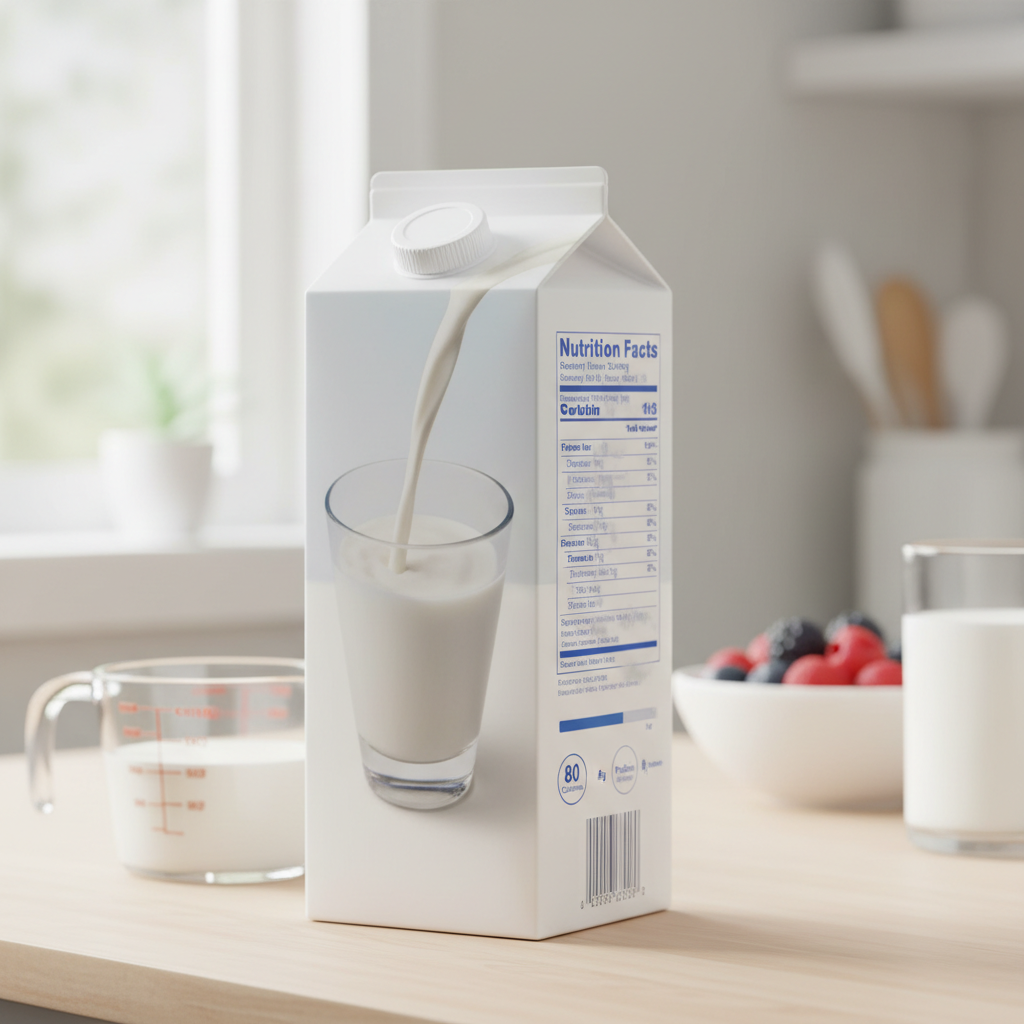
When decoding the skim milk nutrition label, it's essential to understand the terms used. Key components include serving size, calories, fat, protein, and vitamins. A standard serving of skim milk typically contains around 80 calories, with less than 0.5 grams of fat—making it an excellent low-calorie choice for those looking to cut back on fat intake. According to the USDA, skim milk is fortified with vitamins A and D, ensuring it remains a nutrient-rich option even without the cream.
**Tip:** Always check the serving size on the label, as many consumers underestimate how much they pour. A standard serving size is one cup, and exceeding it can lead to unintentional calorie consumption.
Additionally, the protein content in skim milk is vital. A single serving generally provides about 8 grams of high-quality protein, supporting muscle health and satiety. The American Journal of Clinical Nutrition highlights the importance of protein for maintaining muscle mass, especially in weight management programs.
**Tip:** Consider incorporating skim milk into smoothies or oatmeal for an easy protein boost, without adding excess calories or fat. Understanding these terms can lead you to make more informed dietary choices, enhancing your overall nutrition.
Understanding the Skim Milk Nutrition Label: Key Information You Need
| Nutrient |
Amount per Serving (1 Cup) |
% Daily Value |
| Calories |
83 |
4% |
| Total Fat |
0g |
0% |
| Saturated Fat |
0g |
0% |
| Trans Fat |
0g |
N/A |
| Cholesterol |
5mg |
2% |
| Sodium |
107mg |
5% |
| Total Carbohydrates |
12g |
4% |
| Dietary Fiber |
0g |
0% |
| Sugars |
12g |
N/A |
| Protein |
8g |
16% |
| Calcium |
302mg |
30% |
| Vitamin D |
2.5mcg |
12% |
Health Benefits of Incorporating Skim Milk into Your Diet
Incorporating skim milk into your diet can offer numerous health benefits, making it a valuable addition for those seeking to optimize their nutritional intake. Skim milk, which is lower in fat compared to whole milk, is an excellent source of essential nutrients while also reducing calorie intake. It contains high levels of protein, which is crucial for muscle repair and growth, as well as vitamins and minerals such as calcium and vitamin D that support bone health.
Additionally, skim milk can aid in weight management. By choosing skim over whole milk, individuals can enjoy a creamy texture and rich flavor without the extra calories from fat. This makes it easier to maintain a calorie deficit while still receiving necessary nutrients. Furthermore, the protein content in skim milk can increase satiation, helping to curb hunger and reduce overall caloric consumption throughout the day. By making the switch to skim milk, you can enjoy a refreshing beverage that promotes a balanced diet and supports overall well-being.
Comparing Skim Milk With Whole and Reduced-Fat Milk
When comparing skim milk to whole and reduced-fat milk, it is essential to understand the nutritional differences that can affect dietary choices. Skim milk is often favored for its low-calorie count, as it contains significantly less fat than whole milk, which typically has around 3.25% fat. In contrast, skim milk has less than 0.5% fat, making it an excellent option for those looking to reduce their overall fat intake while still enjoying the taste and benefits of dairy.
Reduced-fat milk, which generally contains about 2% fat, strikes a balance between the richness of whole milk and the lightness of skim milk. It provides a creamier texture than skim while offering fewer calories than whole milk. However, it still contains a moderate amount of unhealthy fats. For individuals aiming to maintain heart health or manage weight, skim milk may be the optimal choice, delivering essential vitamins and minerals like calcium and vitamin D without the added calories and fats found in its higher-fat counterparts.
Skim Milk vs Whole Milk vs Reduced-Fat Milk Nutritional Comparison
Understanding Serving Sizes and Daily Value Percentages in Skim Milk
When examining the nutrition label on skim milk, understanding serving sizes is crucial for accurate dietary planning. A standard serving size for skim milk is typically one cup, or 240 milliliters. This portion size is not just a recommendation; it helps consumers gauge their nutrient intake effectively. For instance, knowing that a single cup provides about 80 calories and is low in fat allows individuals to manage their calorie consumption while benefiting from the essential nutrients that milk offers.
Additionally, daily value percentages on the nutrition label indicate how a serving of skim milk contributes to your overall diet based on a daily intake of 2,000 calories. For example, a serving of skim milk usually contains about 30% of the Daily Value (DV) for calcium, which is essential for bone health. By paying attention to these percentages, consumers can ensure they are meeting their nutritional needs. Understanding these key details not only aids in making informed choices but also encourages healthier eating habits that align with specific dietary goals.