Why Choose Ultra Filtered Milk for Your Business Needs?
In today’s competitive market, businesses must stay ahead. One key ingredient is ultra filtered milk. Dr. Emily Larson, a leading dairy industry expert, emphasizes its value: “Ultra filtered milk offers superior nutrition and versatility for any product.” This milk type boasts a higher protein content and lower lactose, making it an attractive option for many consumers.
Ultra filtered milk provides a creamy texture that enhances taste. It's perfect for beverages, yogurts, and baked goods. Some businesses hesitate to explore it due to misconceptions about costs. However, investing in ultra filtered milk can lead to better profit margins. Consumers are increasingly aware of health trends. They seek products that reflect their dietary needs.
Moreover, ultra filtered milk can simplify supply chains. Fewer additives result in clearer labeling, which resonates with health-conscious customers. Yet, the process requires refinement. Producing consistently high-quality ultra filtered milk is challenging. Businesses must adapt and innovate, refining their approaches to leverage this valuable resource.

Understanding Ultra Filtered Milk and Its Benefits
Ultra filtered milk has gained attention in the dairy industry for its unique attributes. It undergoes a special filtration process that removes a significant portion of the water and lactose content. This results in a higher protein concentration, often exceeding 50% more than regular milk. According to a recent industry report, the global ultra filtered milk market is projected to grow at a CAGR of 7.8% over the next five years. This trend highlights the increasing demand for nutritious dairy options.
Nutrition is a primary driver for businesses considering ultra filtered milk. It delivers a creamy texture with less fat, making it appealing to health-conscious consumers. A serving of ultra filtered milk contains up to 20 grams of protein—essential for muscle health and recovery. Additionally, it offers calcium and Vitamin D, vital for bone health. These attributes align with growing consumer preferences for functional foods. Many consumers are actively seeking products that contribute to wellness.
Despite its advantages, there are challenges to consider. The production process can be more expensive, potentially affecting final pricing. Additionally, some individuals may still prefer traditional dairy products for specific culinary applications. Understanding these dynamics is essential for businesses aiming to integrate ultra filtered milk into their offerings. Embracing innovation while acknowledging consumer habits could pave the way for successful product integration.
Nutritional Advantages of Ultra Filtered Milk for Consumers
Ultra Filtered Milk (UFM) has gained popularity due to its numerous nutritional advantages for consumers. With about 50% more protein than regular milk, UFM appeals to health-conscious individuals. This protein boost can aid muscle recovery and support weight management. According to a report from the International Dairy Federation, UFM contains around 30% less sugar than traditional whole milk, making it an excellent option for those monitoring their sugar intake.
In addition to its protein and lower sugar content, ultra-filtered milk also holds higher calcium levels. Calcium is vital for strong bones and overall health, especially in children and older adults. The American Osteopathic Association emphasizes that adequate calcium intake can reduce the risk of osteoporosis later in life. This balance of nutrients shows UFM’s potential benefits, but it’s important to consider personal dietary needs.
**Tip:** Always check the nutrient label. Not all UFM products are the same. Look for options with added vitamins, which can further enhance their health benefits.
Some people might find the taste of ultra-filtered milk different from regular milk. This variation can be challenging for consumers used to traditional flavors. It’s essential to try different products to find a suitable match for personal preferences.
Why Choose Ultra Filtered Milk for Your Business Needs?
| Nutritional Component |
Regular Milk (per 1 cup) |
Ultra Filtered Milk (per 1 cup) |
Percentage Difference |
| Protein |
8 g |
13 g |
+62.5% |
| Sugar |
12 g |
6 g |
-50% |
| Calcium |
300 mg |
400 mg |
+33.3% |
| Fat |
8 g |
3 g |
-62.5% |
| Calories |
150 cal |
100 cal |
-33.3% |
Cost-Effectiveness of Ultra Filtered Milk in Business Operations
Ultra filtered milk is becoming an essential choice for various business operations, especially in the dairy sector. One key advantage is its cost-effectiveness. Research shows that ultra filtered milk reduces processing costs by approximately 20% compared to traditional milk. This is crucial for businesses aiming to maximize profit margins while maintaining product quality.
Additionally, the shelf-life of ultra filtered milk is significantly longer. This means fewer losses due to spoilage. A study from the Dairy Research Institute indicates that its shelf life can be extended by up to 21 days. This factor alone can minimize inventory costs and improve cash flow for businesses.
However, it’s vital to consider that not all customers may prefer ultra filtered milk. Consumer perception can vary depending on the demographic. Some perceive it as premium, while others may be unfamiliar with its benefits. Businesses must balance these insights with their operational strategies. Exploring local market preferences is essential for successful implementation.
Adapting Ultra Filtered Milk to Various Product Lines
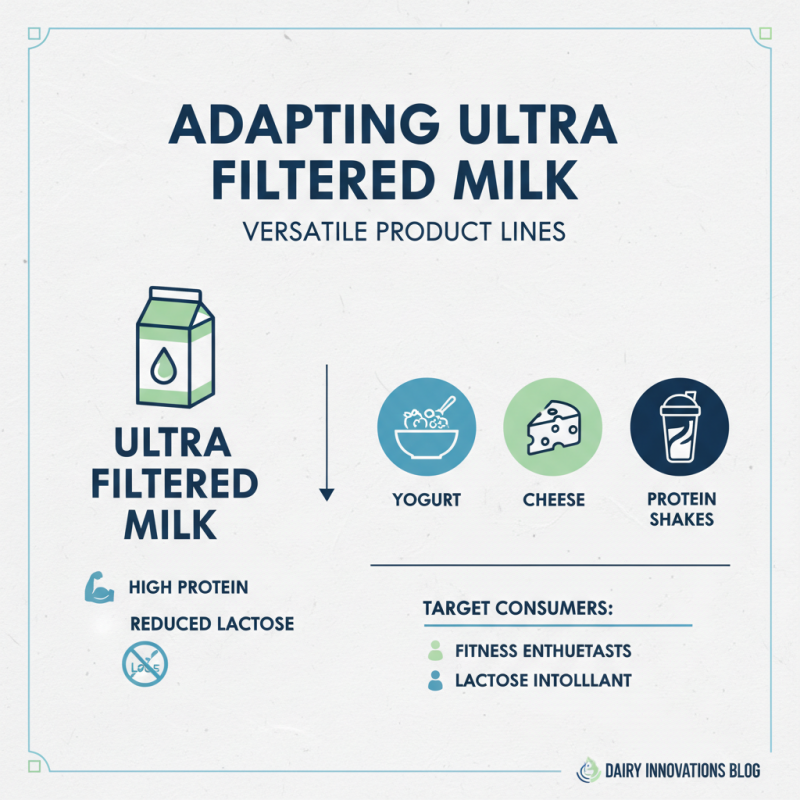
Ultra filtered milk is a valuable ingredient for diverse product lines. Its high protein content and reduced lactose levels make it an attractive option for health-conscious consumers. Businesses can use ultra filtered milk in yogurt, cheese, and protein shakes. These products cater to fitness enthusiasts and those with lactose intolerance.
Adapting this milk type is not without challenges. Manufacturers may need to adjust recipes to achieve the right texture and flavor. This process could involve trial and error, impacting production timelines. However, this flexibility allows companies to create unique products that stand out in a crowded market.
The versatility of ultra filtered milk fosters innovation. Companies can develop new items such as ice cream or smoothies, targeting emerging trends. It's crucial to stay updated on consumer preferences to ensure success. Regular feedback from customers can guide product improvements. Engaging with this feedback loop enhances trust and encourages loyalty in a competitive landscape.
Market Trends Influencing the Demand for Ultra Filtered Milk
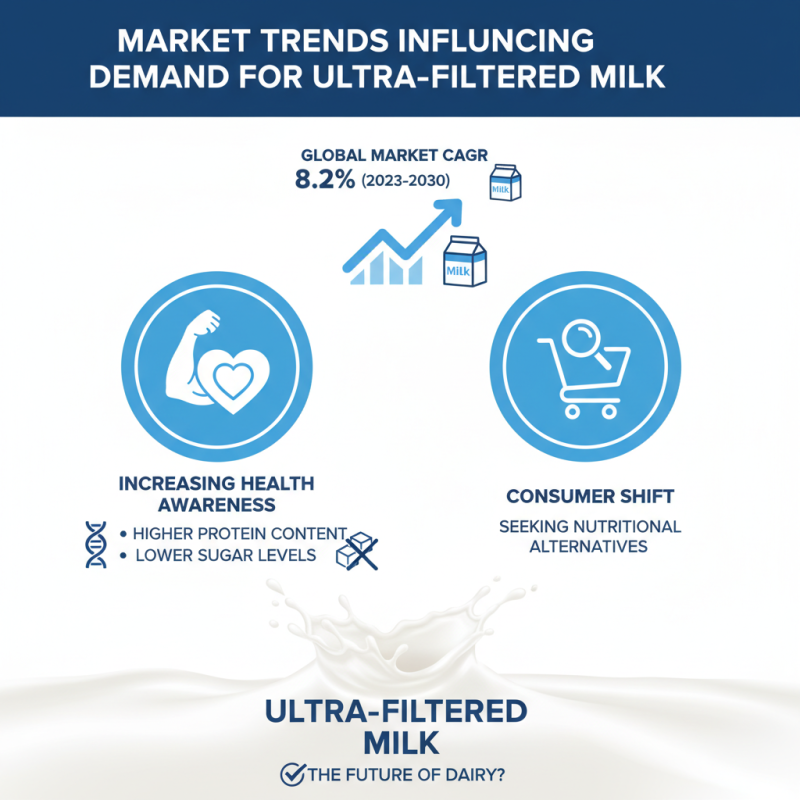
The demand for ultra-filtered milk is on the rise, influenced by several market trends. Recent reports indicate that the global ultra-filtered milk market will grow at a CAGR of 8.2% from 2023 to 2030. This growth is mainly driven by the increasing health consciousness among consumers. Many are seeking alternatives that offer higher protein content and lower sugar levels.
Moreover, dairy businesses are adapting these products to meet evolving consumer preferences. The trend toward clean labels is powerful. Research shows that 75% of consumers prefer products with fewer ingredients. Ultra-filtered milk often features simpler formulations, appealing to those who desire transparency in food sourcing.
The shift towards lactose-free options also plays a critical role. Statistics reveal that nearly 65% of the population worldwide has lactose intolerance. Ultra-filtered milk, which is easier to digest, caters to this demographic while providing nutrition. With all these factors combined, businesses in the dairy sector must consider ultra-filtered milk as a strategic option for catering to modern consumer needs.