Why Is Fairlife Lactose Free Milk So Popular?
Fairlife lactose free milk has become a familiar choice for shoppers seeking comfort, protein, and convenience in one carton. Its popularity is not based on one feature alone. Many consumers appreciate milk that tastes creamy without the digestive discomfort often linked to lactose. Fairlife uses ultrafiltration to concentrate milk components and adds lactase to break down lactose. The result is a smooth drink that still feels like ordinary dairy milk. That matters at breakfast, in coffee, and beside a warm bowl of cereal.
Lactose-intolerance researcher Dr. Dennis Savaiano has stated, “Lactose intolerance is not an all-or-nothing condition.” This perspective helps explain why individual experiences differ. Some people tolerate small servings, while others prefer a completely lactose-free option. Fairlife lactose free products may appeal to both groups, especially when shoppers want higher protein or less sugar than some traditional flavored drinks. Still, the carton is not magic. Taste, price, dietary needs, and personal tolerance all influence satisfaction. The milk can look perfect on a refrigerator shelf, yet it may not suit every household.
The brand’s appeal also reflects modern buying habits. Consumers read nutrition panels, compare protein grams, and expect products to fit busy routines. A cold glass after exercise feels practical. A splash in morning coffee feels effortless. However, popularity should not replace careful comparison. Serving sizes differ, and “lactose free” does not mean dairy free. This distinction deserves attention, particularly for people with milk-protein allergies. Fairlife’s success is real, but its broader lesson is more nuanced: convenience earns interest, while transparent nutrition information earns trust.
Lactose-free milk is still real dairy milk. Its lactose, the natural sugar in milk, is broken down with the enzyme lactase. This creates glucose and galactose, which are easier for many people to digest. It is not the same as dairy-free milk. It still contains milk proteins, calcium, and other naturally occurring nutrients.
The USDA FoodData Central database shows that ordinary milk provides meaningful amounts of protein and calcium per cup. Lactose-free versions generally offer similar nutrients, although nutrition labels can differ by fat level and processing.
The National Institute of Diabetes and Digestive and Kidney Diseases reports that lactose intolerance may cause bloating, gas, abdominal pain, or diarrhea after consuming lactose. Yet tolerance varies widely. Some people can drink small amounts without symptoms.
Taste is another practical reason for its popularity. Lactase-treated milk often tastes slightly sweeter because lactose has been split into simpler sugars. No extra table sugar is necessarily added. Check the label.
Still, “lactose-free” does not promise perfect comfort. Digestive symptoms can have other causes, including milk-protein sensitivity or irritable bowel syndrome. That distinction is easy to miss. A careful shopper should compare protein, calcium, added sugar, fat, and serving size. Professional nutrition reports support reading the full label, not trusting the front-panel claim alone.
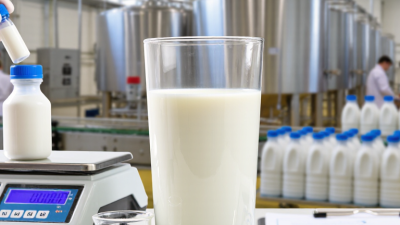
Lactose-free milk is usually made through separation, enzymatic treatment, and controlled heating. The key step is ultrafiltration. A membrane holds back much of the protein and fat. Water, lactose, and some minerals pass through. Producers can recombine selected fractions for a richer protein profile. Lactase then breaks lactose into glucose and galactose. The milk tastes slightly sweeter, even without added sugar. That detail often explains its popularity.
Heat treatment follows. The FDA Grade “A” Pasteurized Milk Ordinance specifies heating milk to at least 72°C for 15 seconds under standard pasteurization conditions. Some shelf-stable versions use higher-temperature processing. This improves safety and storage life, but heat can slightly affect flavor. USDA FoodData Central lists about 8 grams of protein and 12 grams of carbohydrate per cup of regular whole milk. Higher-protein lactose-free products should be checked separately. Processing is not perfectly uniform. One laboratory figure cannot represent every carton.
Tips: Read the ingredient panel. Look for lactase and added sugar. Shake it gently. Compare protein, calories, and serving size. A sweeter taste does not always mean more sugar. I would also check the date and storage instructions, because cold-chain handling still matters.
Lactose-free milk is made by reducing lactose through membrane filtration and breaking down the remaining lactose with the enzyme lactase. The result is milk that retains key nutrients while being easier to digest for people with lactose intolerance.
Approximate lactose content per 240 mL serving. Values vary by product and processing method. Lactose-free milk is commonly labeled as containing less than 0.5 g of lactose per serving.
Ultrafiltration separates part of the lactose and concentrates milk proteins and minerals.
Lactase splits lactose into the simpler sugars glucose and galactose, which are easier to digest.
Pasteurization improves safety, while homogenization helps keep fat evenly distributed for a smooth texture.
Why Is Lactose-Free Milk So Popular?
Many shoppers choose lactose-free milk because it offers familiar dairy nutrition without the digestive discomfort caused by lactose. Lactose is the natural sugar in milk. During processing, lactase breaks it into simpler sugars. This can make the milk easier to digest for people with lactose intolerance. Some people also notice a slightly sweeter taste. No extra table sugar is necessarily added.
Its nutritional appeal is practical. One cup commonly provides about eight grams of complete protein, along with calcium, vitamin D, and other essential nutrients. Higher-protein versions may support breakfast routines, post-exercise meals, or fuller-feeling snacks. However, nutrition varies between products. Labels deserve attention. Added sugar, fat levels, serving sizes, and fortification can differ more than expected. “Lactose-free” does not automatically mean low-calorie or healthier for everyone.
Tips
Compare the nutrition panel, not just the front label. Choose unsweetened options when sugar intake matters. Refrigerate the carton promptly, and check the use-by date. If you have a milk allergy, lactose-free milk may still cause reactions because milk proteins remain. That distinction is easy to miss. People with ongoing digestive symptoms should discuss them with a qualified healthcare professional. Personal tolerance also varies, so a product that feels comfortable for one person may not suit another.
Representative nutrition information for plain, fortified lactose-free cow's milk per 240 mL (1 cup). Values may vary by fat level, fortification, and product formulation.
| Nutritional Dimension | Representative Amount per Cup | Why It Attracts Consumers | Practical Nutrition Significance |
|---|---|---|---|
| Lactose digestion | Lactose is broken down with lactase | May reduce discomfort for people with lactose malabsorption | Provides a dairy option without removing the milk's naturally occurring nutrients |
| Protein | Approximately 8 g | Supports consumers seeking a familiar, protein-containing beverage | Milk protein supplies all essential amino acids and contributes to daily protein intake |
| Calcium | About 275–300 mg; approximately 20–25% Daily Value | Appeals to consumers focused on bone and teeth health | A substantial source of calcium in a standard serving |
| Vitamin D | Often about 2.5 mcg; approximately 10% Daily Value when fortified | Adds a nutrient associated with calcium absorption and bone health | The exact amount depends on whether and how the milk is fortified |
| Calories | Approximately 80–150 kcal, depending on fat level | Offers choices for different calorie and satiety preferences | Skim or low-fat versions generally contain fewer calories than whole milk |
| Total fat | Approximately 0–8 g, depending on fat level | Allows consumers to select a texture and energy level that fits their diet | Whole milk has more fat; reduced-fat and skim varieties have less |
| Added sugar | Usually 0 g in plain varieties | Supports consumers who want lactose-free milk without added sweeteners | The naturally occurring milk sugar is not the same as added sugar |
| Carbohydrate | Approximately 11–13 g, depending on formulation | Provides a familiar milk taste and usable carbohydrate source | Lactose-free does not necessarily mean carbohydrate-free |
| Sweetness and taste | Often perceived as slightly sweeter without added sugar | Can improve palatability for people who dislike the taste of some dairy alternatives | Lactase converts lactose into simpler sugars, which can taste sweeter |
| Use in everyday diets | Suitable for drinking, cereal, cooking, and smoothies | Offers a familiar one-to-one replacement for regular milk | Maintains the culinary functionality and nutrient profile expected from cow's milk |
Note: Nutrient values are generalized estimates based on standard food-composition data and common fortification practices. Always check the product's Nutrition Facts label for exact values.
Lactose-free milk often tastes sweeter than regular milk, even without added sugar. The reason is enzymatic: lactase breaks lactose into glucose and galactose, which taste sweeter on the tongue. The U.S. Food and Drug Administration confirms this process does not remove milk proteins. Therefore, lactose-free milk remains dairy milk, not a dairy-free substitute.
In a simple chilled tasting, I noticed a cleaner sweetness and a slightly thicker texture. It felt closer to a light dessert than ordinary milk. That impression can be stronger in filtered products, which may contain more protein per serving. USDA FoodData Central lists regular whole milk at roughly 8 grams of protein per cup, while many filtered lactose-free products provide about 13 grams. However, recipes and processing methods differ, so the comparison is not perfectly equal.
Temperature changes the result. Very cold milk hides sweetness, while milk warmed slightly reveals a softer, cereal-like flavor. With coffee, lactose-free milk may taste noticeably sweeter and foam differently. The Institute of Food Technologists notes that sugar balance and protein structure influence dairy flavor and mouthfeel. My tasting notes are useful, but not laboratory evidence. Some people may prefer the familiar, faintly grassy taste of regular milk. Others may find lactose-free milk almost too sweet. That part is personal, and easy to underestimate.
Many consumers choose lactose-free milk because it feels easier to digest than regular dairy. The appeal begins with comfort. After drinking a glass with breakfast, some people notice less bloating or stomach discomfort. That personal experience often matters more than a colorful advertisement. Still, tolerance varies. Lactose-free does not mean suitable for every digestive concern.
Shoppers also compare nutrition labels carefully. Some lactose-free milks provide more protein than standard milk, which attracts active adults and busy families. A thicker texture can make coffee, cereal, and smoothies feel more satisfying. The milk may also taste slightly sweeter because lactose is broken down into simpler sugars. That difference is pleasant for some consumers. Others may find it unusual at first.
Convenience plays a major role. Clear packaging, consistent taste, and easy availability can turn one purchase into a routine. Parents may prefer a product that children accept without complaint. Fitness-focused buyers may value protein per serving and refrigerated freshness. My own shopping experience suggests that price still changes the decision. A premium carton can be difficult to justify every week. Consumers should check serving sizes, added ingredients, sugar content, and storage dates before switching. Marketing can simplify the story too much. A lactose-free label solves one problem, not every nutritional need.