2026 Top Cottage Cheese Nutrition Facts for Global Buyers?
Cottage cheese is gaining attention among global buyers seeking practical, protein-rich foods. Its mild flavor, soft curds, and refrigerated shelf life suit supermarkets, foodservice kitchens, and health-focused retail. Yet nutrition labels can differ widely between countries, brands, and production methods. A 2026 buying review must examine more than protein alone.
This guide explains cottage cheese nutrition through measurable details, including protein, calories, fat, carbohydrates, sodium, calcium, and serving size. A typical 100-gram portion may provide substantial protein, but values depend on milk type and formulation. Low-fat products can reduce calories, while flavored versions may contain added sugar. Salt levels also deserve attention. A small cup can influence a customer’s daily sodium intake.
Global buyers should compare laboratory data, local labeling rules, allergen statements, packaging quality, and cold-chain performance. Products for export may need different declarations than products sold domestically. Certification can support trust, but it should be verified rather than assumed. Supplier history matters too. Reliable documentation is often more valuable than a polished product claim.
This discussion is not a substitute for clinical dietary advice. Nutrition data may change after reformulation or testing updates. Some figures look precise, but they are still averages. That limitation matters. Buyers should confirm current specifications directly with manufacturers and review independent testing when available. The strongest purchasing decision balances nutrition, safety, taste, price, and realistic storage conditions.
Cottage Cheese: Definition, Types, and Global Market Forms
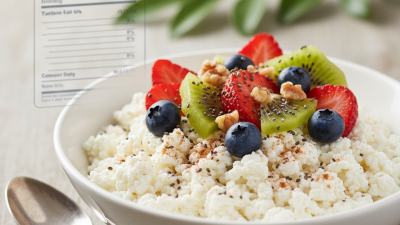
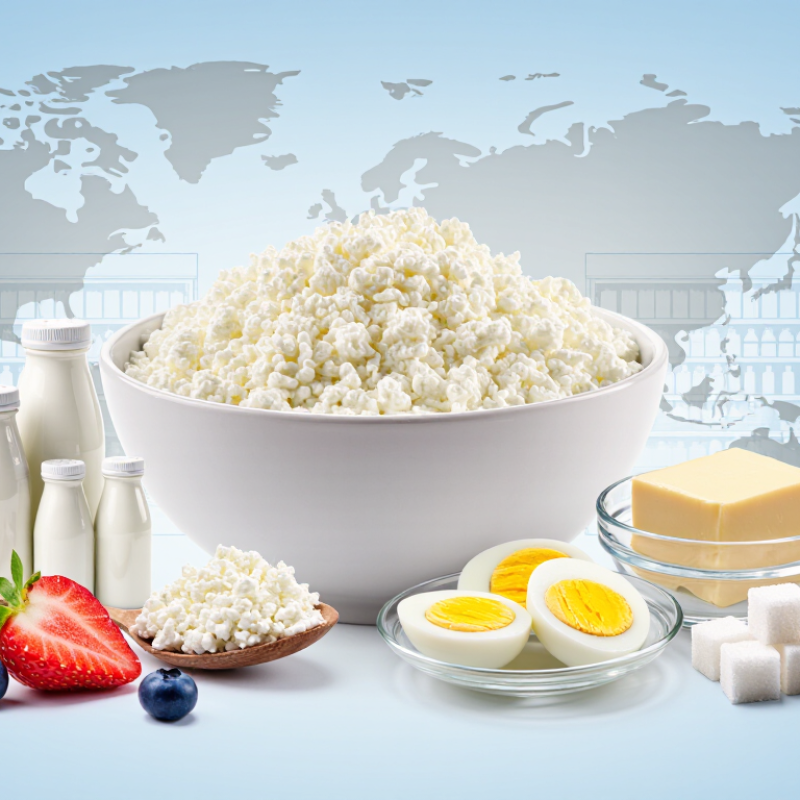
Cottage cheese is a fresh, unripened cheese made by acidifying milk and separating curds from whey. Its mild taste and soft, spoonable texture suit breakfast bowls, bakery fillings, sauces, and ready meals. Common types include full-fat, low-fat, reduced-sodium, lactose-free, whipped, and dry-curd versions. Creamed cottage cheese contains added dressing, while dry-curd cheese has less surface moisture.
Nutrition varies by recipe and serving size. USDA FoodData Central data for a typical low-fat cottage cheese entry shows about 84 calories, 11 grams of protein, and 321 milligrams of sodium per 100 grams. These figures are useful benchmarks, not universal guarantees. Salt, milk solids, and moisture can change the label substantially. Codex Alimentarius Standard CXS 283-1978 provides an international reference for cheese identity and composition, but local labeling rules still matter. The category is not perfectly uniform.
Tips: Global buyers should request a full specification sheet. Check milk source, fat percentage, protein, sodium, moisture, acidity, cultures, shelf life, and storage temperature. Inspect curd size and whey separation after transport. Retail formats commonly include chilled cups, tubs, resealable containers, and foodservice bags. Bulk packs can reduce packaging costs, but they may need faster handling after opening. For international shipments, cold-chain records are essential. A practical concern is often missed: “low-fat” does not always mean low-sodium. Compare laboratory results with the declared nutrition panel before approval.
Protein, Calcium, Probiotics, and Other Potential Benefits
2026 Top Cottage Cheese Nutrition Facts for Global Buyers
For global buyers, cottage cheese provides a practical source of protein and calcium. A typical 100-gram serving contains about 10–12 grams of protein, though recipes and moisture levels change these figures. Its casein protein digests relatively slowly. This may support fullness between meals and help maintain muscle with regular exercise. Not a magic food.
Calcium contributes to normal bone and tooth health. However, the exact amount depends on milk composition and processing. Some varieties also contain live cultures, which may support digestive health in certain people. Probiotics are not guaranteed. Check the label for named cultures and storage instructions. Heat treatment can reduce their activity. Labels matter.
Buyers should compare sodium, added cream, lactose, and serving size before choosing a product. A small cup can contain more sodium than expected, especially in savory varieties. Lower-fat options may have different textures and ingredient lists. People with lactose intolerance can respond differently, even when the product seems mild. Refrigerated handling is essential during transport and retail display. I would not judge quality from protein alone; taste, freshness, testing records, and transparent labeling also deserve attention. Nutrition panels can be imperfect, so independent verification remains useful for large-volume purchasing.
Interpretation: A typical 100 g serving of low-fat cottage cheese provides about 11 g of protein, along with useful amounts of calcium, phosphorus, vitamin B12, and selenium. Protein supports muscle maintenance, while calcium and phosphorus contribute to normal bone health. Probiotic content is not included in the chart because it varies by product and is only present when live cultures are added and retained through processing. Nutrition values may differ by fat level, formulation, and country.
Approximate values based on generic low-fat cottage cheese nutrition data; percentages use U.S. Daily Values for adults.
Calories, Fat, Sodium, Allergens, and Dietary Considerations
For global buyers in 2026, cottage cheese remains a practical protein food. A typical 100-gram serving provides about 80–110 calories, depending on fat level and added ingredients. Full-fat versions usually contain more calories and saturated fat. Reduced-fat varieties may offer fewer calories, but sometimes include extra stabilizers or sodium. Check the nutrition panel carefully.
Sodium can vary widely, often reaching 300–400 milligrams per serving. That matters for people managing blood pressure or following low-sodium diets. Rinsing cottage cheese may reduce surface salt slightly, but it also changes texture and wastes some product. This is not a perfect solution. Fat content also deserves attention. Some products contain only a few grams of fat, while creamier versions contain considerably more. Protein commonly reaches 10–13 grams per 100 grams, supporting everyday meal planning.
Milk is the main allergen. Buyers with milk-protein allergies should avoid cottage cheese, even when lactose-free. Lactose-free products may suit some sensitive consumers, but they are not suitable for every digestive condition. Vegetarian status, halal or kosher certification, and additive rules can differ by market. Review the ingredient list, allergen statement, serving size, and certification marks before importing. Packaging claims can be confusing. Independent laboratory testing and current supplier documentation provide stronger assurance than marketing language alone. Nutrient values may change across countries, batches, and production methods.