Skip to content

7 Tips for Sourcing Non Fat Milk in Bulk?

Buying non fat milk in bulk can lower costs and keep kitchens, cafés, and food businesses well supplied. But a low price alone tells little about quality, consistency, or delivery reliability. A pallet may look like a bargain until storage space runs short or cartons arrive with limited shelf life. Small details matter.

The right sourcing process starts with a clear picture of demand. Estimate weekly use, preferred package sizes, and the amount your storage area can safely hold. Then compare suppliers on product specifications, ingredient information, packaging, minimum order quantities, and delivery schedules. Ask how they handle damaged goods and changes in availability. Get answers in writing where practical. It helps.

For powdered and liquid products, check the format that fits your recipes and equipment. Review product data sheets, sample the milk in actual applications, and confirm how unopened stock should be stored. A supplier’s reputation matters, but direct checks matter too. Request references or trial orders before committing to a large purchase. Even careful planning has gaps; demand can shift, and a sample may not reflect every production batch. Keep that in mind.

These seven tips offer a practical framework for comparing options without treating every supplier’s claims as proof. They cover demand planning, quality checks, pricing, logistics, and supplier communication. Use them to ask sharper questions and spot avoidable risks before placing an order. A little patience now can prevent waste later. Bulk buying is not automatically efficient. It works best when product quality, cash flow, and storage capacity stay in balance.
7 Tips for Sourcing Non Fat Milk in Bulk?

Define Bulk Nonfat Milk: FDA Skim Milk Contains No More Than 0.5% Milkfat

For bulk buyers, nonfat milk has a precise definition: FDA standards limit milkfat to no more than 0.5 percent by weight. That threshold matters when comparing specifications. A product labeled “skim” may still contain a small amount of milkfat; it does not mean absolutely zero. Check the supplier’s product sheet for the stated percentage and the testing method.

Read beyond the headline number. Ask whether the specification applies to the milk as delivered, and request a recent certificate of analysis. Verify protein, moisture, and microbiological limits against your own production needs. Small differences can affect powder flow, reconstitution, or the texture of a finished food. For liquid milk, inspect packaging integrity and confirm storage conditions during transit. Cold-chain details are easy to overlook.

Keep records. Useful details include lot identification, production date, and transport temperature. If a sample behaves differently in a pilot batch, pause before placing a larger order and ask the supplier to investigate. Specifications are helpful, but they do not prevent every variation. A good sourcing process leaves room for that uncomfortable possibility.

Choose Liquid Milk or Powder: Nonfat Dry Milk Allows Up to 5% Moisture

Choosing between liquid nonfat milk and powder depends on how your facility handles water, storage, and transport. Liquid milk is ready to use, but it needs chilled storage and careful temperature control. Nonfat dry milk travels in sealed, moisture-resistant bags and can be reconstituted near the production line. Less water shipped can mean lower freight weight. A small detail matters: a damaged liner can let powder absorb humidity and form hard lumps.

For specifications, Codex Alimentarius Standard CXS 207-1999 sets a maximum water content of 5% for milk powders. In the United States, 21 CFR §131.125 also limits moisture in nonfat dry milk to 5%. Treat that figure as a ceiling, not a target for careless storage. Ask suppliers for a current certificate of analysis, lot-level moisture results, and packaging details; then confirm your own receiving checks match the intended use. Keep bags off concrete floors, away from washdown areas, and sealed after opening. Simple, but easy to miss. Powder is not automatically the better choice: reconstitution needs clean water, mixing time, and space for dry storage. I would compare delivered cost per usable litre, not just price per kilogram. That calculation can still be imperfect when yields vary.

Liquid Skim Milk vs. Nonfat Dry Milk: Moisture Content

Moisture is a key consideration when sourcing nonfat milk in bulk. Liquid skim milk is mostly water, while nonfat dry milk is a concentrated powder; its moisture content is commonly limited to 5% maximum.

Values are approximate: liquid skim milk typically contains about 91% water; the 5% figure is the maximum moisture content stated for nonfat dry milk. Check applicable product specifications and standards when purchasing.

Set Volume and Delivery Needs Using Shelf Life and Storage Capacity

Set your order size by matching the product’s shelf life to your actual storage space. Nonfat milk powder usually offers more flexibility than refrigerated liquid milk, but its stated shelf life depends on packaging and storage conditions. Check the supplier’s product specification and date code before committing to a large shipment. A low price means little if bags expire before use.

Measure usable storage, not just the room’s total capacity. Leave space for airflow, safe handling, and clear access to older stock. Keep powder sealed in a cool, dry area, away from moisture and strong odors. Once opened, transfer it to a clean, tightly closed container if the packaging guidance allows. Small details matter.

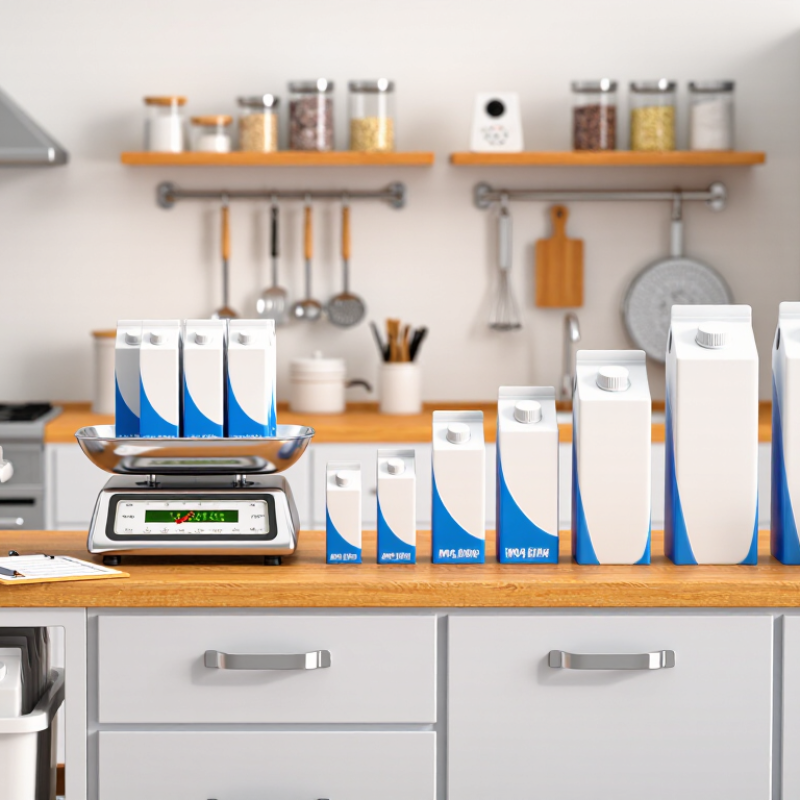
Estimate weekly usage from recent purchasing records, then compare that figure with the quantity you can use before the date marked on the product. Ask suppliers about minimum order quantities, delivery frequency, and remaining shelf life at dispatch. A smaller, regular delivery may reduce waste, even if the unit cost is slightly higher. There is a trade-off. Forecasts are rarely perfect, so review them after a few deliveries and adjust the order interval. If storage is limited, avoid filling every shelf; a little spare room makes receiving and stock rotation easier.

Verify Supplier Quality Through Specifications, Testing, and Traceability

7 Tips for Sourcing Non Fat Milk in Bulk

Tip 1: Request a complete specification before discussing price. Check protein, moisture, fat, acidity, solubility, and microbiological limits. These figures should match your production requirements.

Tip 2: Ask for recent certificates of analysis from the exact production lot. A generic document is weak evidence.

Tip 3: Arrange independent testing for moisture, protein, pathogens, and adulteration risks. Use an accredited laboratory when possible. Keep sealed retain samples for comparison. Small details matter.

Tip 4: Review the supplier’s quality system, sampling method, and corrective-action records. Site experience helps here, but paperwork alone cannot prove consistency.

Tip 5: Confirm traceability from farm collection through processing, packing, and shipment. Each bag or pallet should show a readable lot code and production date.

Tip 6: Request realistic storage instructions, including temperature, humidity, shelf life, and pallet conditions. Powder near a damp warehouse wall may change before its expiry date.

Tip 7: Start with a controlled trial shipment before committing to bulk volumes. Compare the received powder with the approved sample during mixing and finished-product testing.

I once treated matching specifications as sufficient. That was too optimistic. Supplier performance should be checked across several lots, not one successful delivery. Keep communication records, test results, and lot decisions together. This creates an evidence trail when quality questions appear later.

Compare Total Landed Cost, Including Freight, Packaging, and Handling

7 Tips for Sourcing Non Fat Milk in Bulk

Start with a clear product specification.

Confirm fat level, protein content, moisture, solubility, microbiological limits, and shelf life. Request recent certificates of analysis and compare them with your receiving tests. A low quoted price can hide higher rejection risk.

Calculate total landed cost per usable kilogram, not per invoice kilogram.

Add product price, ocean or truck freight, insurance, duties, port charges, storage, and delivery fees. Include pallet materials, bags, liners, labels, and repacking. Handling costs matter. A warehouse may charge for unloading, sampling, temperature checks, and short-term storage. Ask for every fee in writing. Then test the calculation against different order sizes. Larger volumes may reduce freight per unit but increase storage exposure.

Check packaging strength before approval.

Damaged bags create waste, cleanup, and possible contamination concerns. Review delivery windows, minimum order quantities, and payment terms. Keep at least two qualified supply options when practical. During one early cost review, I focused too heavily on the quoted powder price and missed an inland handling charge. That mistake changed the ranking of suppliers. Build a simple landed-cost sheet with optimistic, expected, and difficult scenarios. Also record batch performance, delivery accuracy, and complaint response. Price is only one measurable part of sourcing.