Skip to content

China Best Low Fat Milk Suppliers for Global Buyers?

Global buyers searching for China’s best low-fat milk suppliers need more than an attractive price list. They need products that match their market, dependable production, and clear answers about ingredients and specifications. Lowfat milk may be sold chilled or shelf-stable, in retail cartons or food-service formats. Those differences affect storage, shipping, and customer expectations. Small details matter.

A supplier’s website can provide a useful starting point, but it cannot verify quality by itself. Buyers should request current product specifications, ingredient information, sample packaging, and relevant quality documents. They should also ask about production capacity, lead times, export experience, and how products are protected during transport. Check that quoted shelf life and storage conditions suit the planned route. A few cartons on a desk tell only part of the story.

This guide explores how to compare Chinese suppliers, assess product fit, and ask practical questions before placing an order. It focuses on evidence buyers can review, not broad promises. Still, supplier selection is rarely perfect on paper. Samples may differ from a later production run, and delivery plans can change. Careful checks reduce uncertainty, but they do not remove it. By looking beyond price and polished claims, global buyers can make a more informed shortlist and build conversations around the details that matter.
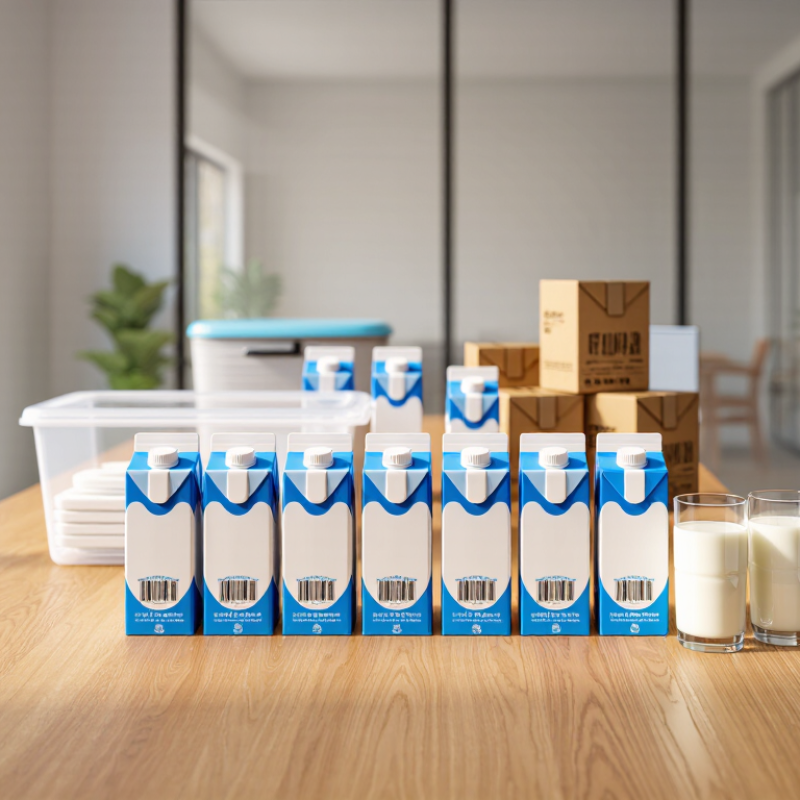
China Best Low Fat Milk Suppliers for Global Buyers?

Low-Fat Milk: Definitions, Nutrition, and Product Types

Low-fat milk is cow’s milk with some milk fat removed, but the exact definition can vary by market. Common options include 1% and 2% milk, while skim milk contains very little fat. Check the package label rather than relying on the product name alone. A chilled carton and a shelf-stable carton may differ in processing, but both can offer similar basic nutrients.

A typical serving provides protein, calcium, and several B vitamins. Lower-fat milk usually has fewer calories than whole milk, though nutrition values vary by product and serving size. Some products are fortified with vitamin D; others are not. Read the nutrition panel.

Lactose-free low-fat milk is another type: it has lactose broken down, not necessarily less milk sugar overall. For buyers comparing suppliers, ask for current specifications, including fat percentage, processing method, and storage requirements. A small detail matters: after opening, shelf-stable milk still needs refrigeration. Product labels can be easy to misread, and I would verify the figures before comparing quotations.

China’s Low-Fat Milk Industry and Export Market

China’s low-fat milk sector is built on a large domestic dairy base, but production volume alone does not prove export readiness. The National Bureau of Statistics reported 41.97 million tonnes of milk production in 2023. That figure covers milk broadly, not low-fat products specifically. Buyers should ask suppliers for product-level specifications, including fat content, protein, processing method, and shelf-life data.

Low-fat milk may be sold chilled or UHT-treated, and those formats require different shipping plans. A chilled carton depends on an uninterrupted cold chain; UHT milk can travel farther without refrigeration before opening. Check the stated storage conditions and test reports against the exact batch. Small details matter. A specification sheet is not a substitute for independent verification.

China’s export opportunity is difficult to measure precisely. USDA Foreign Agricultural Service dairy reports track trade across product categories, while public trade statistics do not always isolate low-fat milk as a distinct line. This makes broad export totals a weak guide to the segment’s true size. Global buyers can compare suppliers using recent export records, third-party food-safety audits, and laboratory results. One point is easy to overlook: packaging performance in transit can matter as much as the milk’s initial quality.

How to Evaluate Chinese Low-Fat Milk Suppliers

China’s milk supply is large, but scale alone does not prove a supplier can deliver consistent low-fat milk. China’s 2023 milk output reached 41.97 million tonnes, up 6.7% year on year, according to the National Bureau of Statistics. OECD-FAO’s Agricultural Outlook 2024–2033 projects global milk production to grow about 1.6% annually. Buyers should check whether a supplier’s capacity, export experience, and production schedule match their actual order volumes.

Start with the product specification. Confirm the milk-fat target, protein content, heat treatment, packaging format, and shelf-life conditions in writing. Low-fat definitions and labeling rules differ by destination market, so check the applicable requirements before approving a label. Ask for recent, batch-specific certificates of analysis, test methods, and traceability records. A polished certificate is not enough. Verify that its results match the product and production lot being offered.

Review the factory’s quality controls and cold-chain plan, including temperature records during storage and dispatch. Request an audit or a live production walkthrough when practical. Check how complaints, recalls, and out-of-specification batches are handled. One detail buyers can overlook is packaging performance: inspect seals and cartons after a realistic transport trial. Price matters, of course, but the cheapest quote may hide shorter shelf life or uneven specifications. I would still compare suppliers using the same sample protocol; informal tasting alone is a weak basis for selection.

Leading Chinese Low-Fat Milk Suppliers for Global Buyers

Leading Chinese Low-Fat Milk Suppliers for Global Buyers

China’s National Bureau of Statistics reported 41.97 million tonnes of milk production in 2023, up 6.7% year on year. This national figure covers milk production overall, not low-fat milk specifically, but it signals a substantial sourcing base. Global buyers should ask suppliers for product-level specifications, including fat and protein values, processing method, shelf life, and batch test records.

Details matter. A clear specification helps prevent a “low-fat” label from masking differences between products.

Assess suppliers beyond price and factory capacity. Request recent independent laboratory results, packaging samples, and documentation showing how temperature is controlled during storage and transport. For a chilled shipment, check the proposed temperature range, monitoring records, and what happens if a delivery is delayed.

Cold chain matters. Shelf-stable and refrigerated products require different logistics, so match the format to the destination market and route.

Ask for a pilot shipment before committing to larger volumes; it can expose practical issues such as damaged cartons or inconsistent labeling. Paperwork may look complete, yet performance can vary in transit.

That deserves a second look.

Buyers should also verify that certificates apply to the actual production site and product, rather than relying on a supplier’s general claims.

Sourcing, Quality Compliance, and Import Logistics

For global buyers comparing low-fat milk suppliers in China, sourcing begins with a measurable specification. State the target fat and protein levels, heat treatment, packaging format, shelf life, and required test results before requesting quotations. “Low-fat” can mean different things across markets, so confirm the definition used by the destination market and the product label. Ask for a recent certificate of analysis, batch traceability details, and evidence of food-safety controls. Useful checks include microbial results, residue testing, and consistency between the sample and production batch. Small details matter. OECD-FAO’s Agricultural Outlook 2024–2033 projects global milk production to reach about 1,147 million tonnes by 2033, with annual growth of 1.6%. More supply does not guarantee a better match; specifications still need careful review.

Import logistics depend on the product’s processing and storage needs. Confirm whether the milk is chilled or shelf-stable, then align packaging, container conditions, and transit time with its declared shelf life. For chilled shipments, request temperature records and agree on how delays or damaged cartons will be handled. For any shipment, check that invoices, packing lists, certificates, and labels match the order and destination requirements. A polished specification can still miss one awkward point: port delays may consume shelf life before goods reach the warehouse. Buyers can be too optimistic here. Build in a realistic buffer, verify the supplier’s export experience, and keep a documented approval trail for each batch.