Skip to content

China Top 10 Lactose Free Milk Manufacturers

Choosing a lactose free milk manufacturer involves more than spotting a “lactose-free” label. Buyers also need to consider taste, ingredient transparency, nutrition, packaging, and supply reliability. A carton should pour smoothly over cereal, blend into coffee without an unexpected aftertaste, and provide clear information about its ingredients. Small details matter.

Nutrition researcher Dennis Savaiano’s work supports a useful point: lactose tolerance varies from person to person, and many people can tolerate some lactose. This is a paraphrase, not a verbatim quotation. That distinction matters; health needs differ, and product claims should not replace individual medical advice. For manufacturers, reliable lactose removal and consistent quality help build consumer confidence. But the category is not one-size-fits-all. Some shoppers prioritize a familiar dairy taste, while others look for specific nutrition profiles or convenient single-serve cartons.

This guide introduces ten manufacturers connected to China’s lactose free milk market. It offers a practical starting point, not a definitive ranking. Company capabilities, product ranges, and market availability can change, so buyers should verify current specifications directly. Compare stated lactose levels, processing details, certifications, and export experience where relevant. A polished package alone proves little. No list is perfect; supplier claims deserve a closer look. The aim is to help readers ask sharper questions before choosing a brand or starting a business discussion.
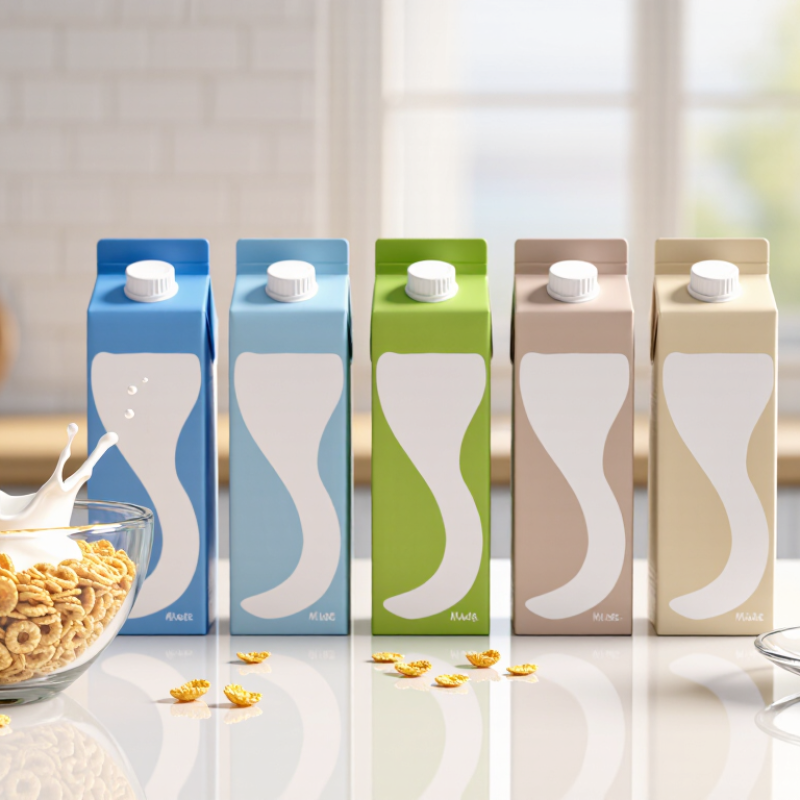
China Top 10 Lactose Free Milk Manufacturers

Understanding Lactose-Free Milk and Its Role in China

In China, lactose-free milk is a practical option for people who experience discomfort after drinking regular milk. Lactase, an enzyme, breaks lactose into simpler sugars during processing. The milk may taste slightly sweeter, even without added sugar. That difference can be noticeable in a warm cup of milk or poured over cereal. Small details count.

Its role extends beyond drinking it plain. People may use it in tea, coffee, cooking, or breakfast dishes, though heating and recipes can affect the final taste. Nutritional content is often similar to regular milk, but it varies by product, so checking the protein, calcium, and added-sugar information is sensible. Lactose-free does not mean dairy-free: milk proteins remain. It may not suit someone who reacts to those proteins. Tolerance also differs from person to person, and discomfort can have causes other than lactose. That part is easy to overlook.

How Lactose-Free Milk Is Produced and Regulated in China

Lactose-free milk in China is usually made by adding lactase, an enzyme that splits lactose into glucose and galactose. The milk may taste slightly sweeter, though no sugar has necessarily been added. Processing plants control enzyme dosage, temperature, and holding time, then apply pasteurization or sterilization suited to the product. Small details matter. A poorly controlled batch can taste different or retain more lactose than intended.

Production still begins with ordinary milk controls. China’s GB 19301 covers raw-milk safety, while GB 19645 and GB 25190 set requirements for pasteurized and sterilized milk respectively. Labels must also follow applicable food-labeling rules, including GB 7718. Manufacturers should verify lactose levels and ensure claims match test results; the precise requirements depend on product type and current standards. That sounds tidy. Factory batches are less tidy, so routine sampling and documented process checks are essential.

The market context is substantial: China’s National Bureau of Statistics reported 41.97 million tonnes of milk production in 2023, up 6.7% year on year. This figure covers milk overall, not lactose-free products, and should not be mistaken for their market size. Still, it points to a large processing base where specialized production requires careful validation, not just an enzyme dosing step.

China Lactose-Free Milk: Production and Regulation

Illustrative composition change during lactase treatment

Lactase hydrolyzes lactose into glucose and galactose. This illustrative model starts with 4.8 g of lactose per 100 g of milk and assumes complete conversion; it shows only sugars derived from lactose, not the milk’s full sugar composition or a tested commercial product. In China, manufacturers must meet applicable dairy-product, food-safety, and nutrition-labelling requirements, and substantiate product claims under current rules.

Criteria for Identifying Leading Chinese Manufacturers

Identifying a leading Chinese lactose-free milk manufacturer takes more than comparing prices or product photos. Ask how lactose is broken down, whether enzyme treatment is controlled, and how residual lactose is tested in finished batches. Request recent test reports, sampling dates, and methods, rather than accepting a broad quality claim.

Details matter.

A batch code should link each carton to production records and ingredient lots. Review hygiene controls, staff training, and documented checks for temperature, sealing, and storage. These are useful signals, though paperwork cannot replace an on-site audit.

Assess product performance for its intended market. Compare nutrition panels, taste, texture, shelf life, and packaging across multiple batches. Ask how the producer handles variation instead of expecting identical results every time.

That answer is revealing.

Check production capacity, lead times, cold-chain arrangements for chilled milk, and protection during long-distance shipping. For export sourcing, have qualified local advisers check labels and supporting records against destination requirements. A reliable supplier communicates limits, provides evidence, and reports problems promptly.

Still, no checklist is perfect. Sample testing and periodic reviews matter, and one successful shipment does not prove lasting consistency.

Profiles of China's Top 10 Lactose-Free Milk Manufacturers

A credible profile of China’s ten leading lactose-free milk manufacturers should look beyond sales claims. It should examine factory scale, product range, processing methods, and published quality controls. Some producers operate large dairy facilities; others focus on regional supply or specialized milk products. Those differences matter. A profile should also clarify whether a company makes lactose-free milk itself or contracts production to another facility.

Manufacturing details help readers compare suppliers. Look for information about lactase treatment, heat processing, packaging formats, and routine batch testing. Clear descriptions are useful; vague claims are not. Reliable profiles should distinguish verified facts from company statements and avoid treating one product label as proof of consistent quality. Check whether product specifications and testing information are available for buyers to review.

The comparison should consider distribution capacity, export experience, and the ability to provide consistent documentation. Not every manufacturer shares the same level of detail. That gap deserves attention, rather than guesswork. Some profiles may reveal strong production capabilities but limited public information about sourcing or testing. That is worth noting. A careful top-ten overview can show where manufacturers differ, while reminding readers to confirm current specifications directly before making purchasing decisions.

Comparing Product Types, Brands, and Market Positioning

China’s lactose-free milk manufacturers compete across several product types, not one standard category. UHT cartons suit households seeking longer storage and easy delivery. Chilled milk appeals to shoppers who prefer a fresh taste, but it needs reliable refrigeration. Milk powder travels well and stores easily. Flavored options may attract children, though added sugar deserves a close look. The details matter.

Market positioning often reflects more than lactose removal. Some manufacturers emphasize everyday affordability and widely available family packs. Others focus on higher protein, smaller servings, or premium chilled products. For a fair comparison, check the ingredient list, protein and calcium per serving, pack size, and storage instructions. Lactose-free milk is still dairy milk; it is not the same as a plant-based drink. A carton may taste slightly sweeter because lactose is split into simpler sugars. That distinction is easy to miss. Claims about “better” nutrition also need context: recipes differ, and price alone says little about quality. Without consistent testing data, a top-ten list should be treated as a starting point, not a definitive ranking.

China Top 10 Lactose Free Milk Manufacturers - Comparing Product Types, Brands, and Market Positioning

An anonymized comparison of ten product and positioning profiles relevant to China’s lactose-free milk market. These are market archetypes, not a verified ranking of ten named manufacturers; no company-specific market-share or production data is implied.

Profile Product Type Format or Processing Relevant Product Attributes Typical Market Positioning Common Channel Considerations
01 Lactose-free whole milk Often offered as UHT or chilled milk; lactase is used to break down lactose. Retains dairy milk’s protein and fat; lactose breakdown can make the milk taste sweeter without added sugar. Everyday dairy option for consumers seeking to avoid or reduce lactose. UHT packs suit ambient distribution before opening; chilled versions require cold-chain handling.
02 Lactose-free reduced-fat milk Lactase-treated milk with a lower fat level than whole milk; sold chilled or UHT depending on product. Fat content and nutrition values vary by product and should be checked on the label. A lighter dairy choice for lactose-sensitive shoppers who also prefer reduced-fat milk. Suitable for mainstream grocery and online dairy assortments where the specific format is available.
03 Lactose-free skim or very-low-fat milk Lactase-treated, with most or nearly all milk fat removed according to the product specification. Not inherently higher in protein; compare the nutrition panel for exact fat and protein values. A low-fat alternative within the lactose-free dairy segment. Chilled products need refrigeration; shelf-stable availability depends on the manufacturer’s range.
04 Chilled lactose-free milk Pasteurized or otherwise refrigerated milk; storage and shelf life follow the package instructions. May be offered in whole, reduced-fat, or other formulations; “chilled” describes distribution, not lactose content. Fresh-dairy positioning for consumers who prefer refrigerated milk. Depends on refrigerated transport, retail display, and household cold storage.
05 UHT lactose-free milk Ultra-high-temperature processed and aseptically packaged; unopened storage conditions are stated on the pack. Available in different fat levels and pack sizes; UHT processing does not by itself mean lactose-free. Convenience-oriented dairy with a longer unopened shelf life than refrigerated pasteurized milk. Ambient distribution can simplify storage before opening; opened packs generally require refrigeration.
06 Lactose-free flavored milk Dairy milk with lactase treatment and added flavor ingredients; may be sold chilled or shelf-stable. Added sugar, sweeteners, and flavor ingredients vary. Check the full ingredient list and nutrition label. Taste-led option for consumers seeking a flavored dairy drink with reduced lactose. Often suited to convenience and single-serve occasions, depending on package format.
07 Lactose-free milk with added nutrients Lactase-treated dairy milk with added nutrients such as calcium or vitamins, where declared. Fortification levels differ; added nutrients should be verified on the product label. Nutrition-oriented positioning alongside the core lactose-free benefit. Can be marketed through regular grocery channels; claims must match the product’s declared composition.
08 Organic-certified lactose-free milk Dairy milk produced and certified under the applicable organic standard, with lactose reduction handled separately. Lactase treatment alone does not make milk organic; certification and permitted labeling are separate requirements. Premium positioning that combines lactose-free use with certified organic production where available. Availability depends on certified supply and retail assortment; check certification marks and label details.
09 Single-serve lactose-free milk Small-format packaging that may contain UHT or chilled milk. Pack size is a convenience feature, not a nutritional or lactose-content standard. Portability and portion convenience for individual consumption. May suit convenience retail, lunch occasions, and online multipacks; storage depends on processing.
10 Food-service or bulk lactose-free milk Larger-format dairy intended for professional kitchens or institutional use, where offered. Pack size, fat level, and storage requirements vary; confirm suitability and handling instructions with the supplier. Operational convenience for food-service settings serving customers who avoid lactose. Typically involves business-to-business ordering and storage procedures suited to the product format.

Note: Product availability, lactose claims, nutrient content, certifications, and storage instructions vary by product. Verify these details against current packaging and applicable Chinese labeling requirements.