Cottage Cheese Nutrition Facts and Health Benefits Explained?
Cottage cheese nutrition offers a delightful way to enhance your dietary choices. This versatile dairy product is rich in protein and low in fat. It provides essential nutrients like calcium and phosphorus, which are vital for bone health. The creamy texture makes it suitable for various meals, from breakfast bowls to savory dishes.
However, not all cottage cheese is created equal. Some brands add unnecessary sugars and preservatives. Choosing the right product can be overwhelming. Understanding cottage cheese nutrition helps you make informed decisions about your health. It can be beneficial for muscle repair, weight management, and overall wellness.
Incorporating cottage cheese into your diet can be a game-changer. Yet, it's important to balance it with other foods. Relying solely on one food group is not a healthy approach. Exploring different ways to enjoy cottage cheese is a way to appreciate its benefits while ensuring a well-rounded diet.
Nutritional Composition of Cottage Cheese
Cottage cheese is a nutrient-dense food. It contains a rich composition of proteins, fats, and carbohydrates. Typically, one cup of low-fat cottage cheese provides about 27 grams of protein. This makes it an excellent choice for muscle repair and growth. Proteins found in cottage cheese are casein, which digests slowly, offering sustained energy and hunger satisfaction.
In terms of fat content, cottage cheese varies. A classic serving has around 10 grams of fat, depending on the type chosen. This includes healthy unsaturated fats, which are important for heart health. Additionally, cottage cheese is a good source of calcium. One cup supplies about 14% of the daily recommended calcium intake. Calcium is crucial for bone health and helps prevent osteoporosis.
Despite its benefits, some people find cottage cheese unappealing due to its texture or taste. It is often criticized for being bland or overly lumpy. Furthermore, 3% of the population may experience lactose intolerance, making cottage cheese a less suitable option. Nonetheless, for those who can enjoy it, cottage cheese stands out as a versatile and nutritious food.
Cottage Cheese Nutritional Composition
This chart illustrates the nutritional composition of cottage cheese per 100 grams, showcasing key nutrients that contribute to its health benefits.
Health Benefits of Consuming Cottage Cheese
Cottage cheese is a nutritional powerhouse that offers numerous health benefits. High in protein, it helps with muscle recovery and weight management. A single serving provides around 25 grams of protein, making it a favorite among fitness enthusiasts. Additionally, it is low in fat, which can aid those seeking to reduce calorie intake without sacrificing essential nutrients.
Another essential benefit is its calcium content. Strong bones rely on calcium, and cottage cheese delivers a significant amount. This makes it an excellent option for those aiming to enhance their bone health. It is also rich in probiotics, which support gut health and digestion. However, it’s important to note that some people may be sensitive to dairy products. This sensitivity can lead to discomfort in some individuals.
Incorporating cottage cheese into your diet can be simple. You can enjoy it on its own, mix it with fruits, or add it to salads. While it provides various health benefits, being mindful of portion sizes and individual reactions to lactose is crucial. This awareness helps maximize the benefits while minimizing any adverse effects.
Comparative Analysis: Cottage Cheese vs. Other Dairy Products
Cottage cheese often stands out in the dairy aisle. Its texture is creamy yet slightly lumpy. This unique characteristic gives it an edge over other dairy products. When comparing it to yogurt, cottage cheese is higher in protein. Each serving delivers a solid dose, which supports muscle health and keeps you feeling full longer. Yogurt offers probiotics, great for gut health. But, when aiming for protein intake, cottage cheese is a winner.
On the other hand, when placed side by side with traditional cheese, the differences become clearer. Many cheeses are rich in fat and calories. Conversely, cottage cheese is relatively low in fat, making it a suitable option for those watching their weight. However, it can sometimes lack flavor compared to stronger cheeses. This might not satisfy everyone but can be enhanced with herbs or fruits. Each dairy product brings something to the table. They can all fit into a balanced diet, depending on personal health goals and taste preferences. Understanding these nuances can lead to better choices.
Cottage Cheese Nutrition Facts and Health Benefits Explained
| Nutrient |
Cottage Cheese (1 cup) |
Greek Yogurt (1 cup) |
Milk (1 cup, whole) |
Plain Yogurt (1 cup) |
| Calories |
206 |
220 |
150 |
154 |
| Protein (g) |
28 |
20 |
8 |
9 |
| Fat (g) |
10 |
11 |
8 |
4 |
| Carbohydrates (g) |
6 |
9 |
12 |
11 |
| Calcium (% DV) |
28% |
20% |
28% |
30% |
| Vitamin B12 (% DV) |
20% |
15% |
8% |
14% |
Cottage Cheese in Dietary Plans: How to Incorporate It
Cottage cheese is a versatile ingredient that can fit easily into various dietary plans. Its high protein content makes it an excellent choice for those seeking muscle maintenance or weight loss. A one-cup serving contains about 28 grams of protein, as reported by the USDA. This makes it a favored option for athletes and fitness enthusiasts.
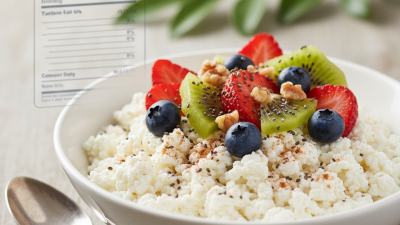
Incorporating cottage cheese into your meals can be simple. Blend it into smoothies for a creamy texture. Top it with fruits and nuts for a nutritious breakfast. Alternatively, use it as a substitute for ricotta in pasta dishes. The subtle flavor allows it to enhance both sweet and savory dishes.
Tips: Consider portion sizes to avoid excess calories. While cottage cheese is low in fat, balance it with other food groups. Pay attention to sodium content, as some varieties may be high in salt. Always check labels for nutritional information. Finally, evaluate how your body responds to dairy; some individuals may experience discomfort.
Possible Risks and Considerations When Eating Cottage Cheese
When considering cottage cheese, it’s essential to evaluate potential risks. For individuals with lactose intolerance, consuming cottage cheese can lead to digestive issues. Symptoms may include bloating, gas, or diarrhea. Even though cottage cheese contains lower lactose levels, some may still experience discomfort. It’s wise to monitor your body’s response and adjust accordingly.
Another consideration is sodium content. Many varieties of cottage cheese have added salt for flavor. Excessive sodium intake can contribute to hypertension. Always check nutrition labels. Opt for low-sodium options if you’re watching your salt intake. It’s important to strike a balance between taste and health.
Lastly, portion control is necessary. While cottage cheese is nutritious, overconsumption may lead to unintended calorie intake. It's beneficial to include it as part of a balanced diet, rather than relying solely on it for nutrition. Reflect on the overall variety in your diet. Aim for moderation to enjoy its health benefits safely.