What is the Nutrition Label of Fairlife Milk in China?
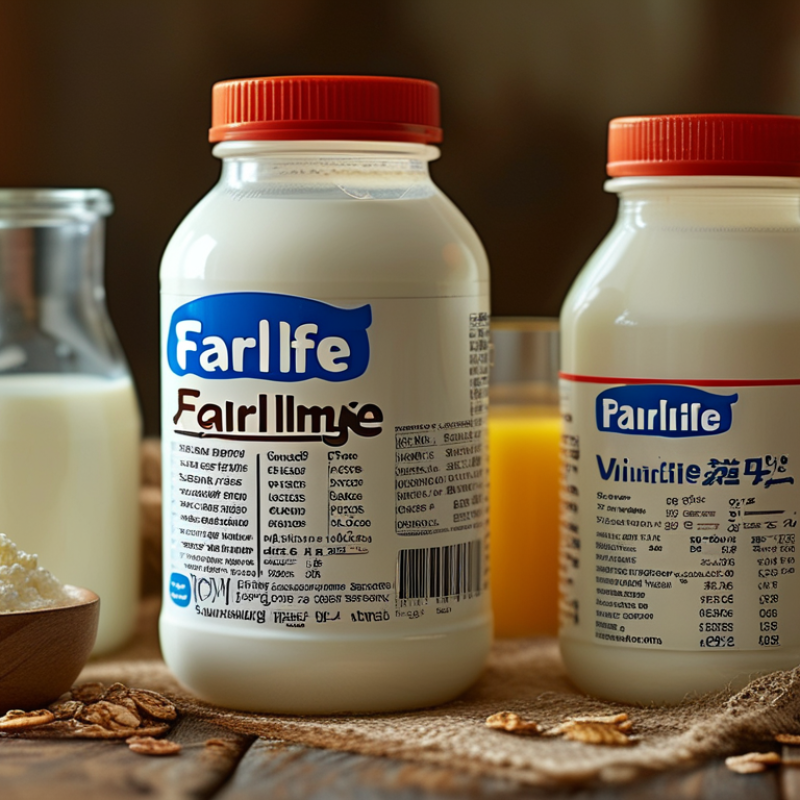
Understanding the fairlife milk nutrition label is essential for consumers in China. This milk brand is popular for its unique formulation and nutritional benefits. The label provides crucial information about the ingredients, calorie count, and nutritional values. It serves as a guide for making informed dietary choices.
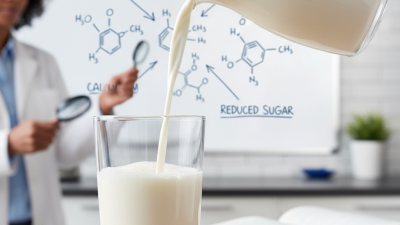
Fairlife milk stands out due to its higher protein content and lower sugar levels compared to regular milk. This distinction makes it appealing for health-conscious individuals. The nutrition label details the presence of vitamins and minerals, enhancing its reputation. However, consumers must be aware of its fat content, which may vary.
While the label offers valuable insights, it also raises questions. Are the health claims based on solid research? Can all consumers benefit from its unique attributes? Reflecting on these points can lead to better understanding and smarter choices regarding fairlife milk nutrition label.
Overview of Fairlife Milk Nutrition Label in China
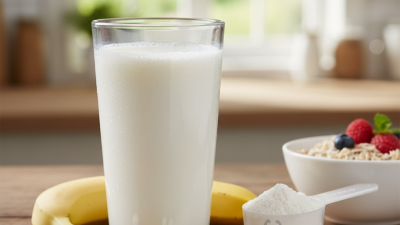
Fairlife Milk has garnered attention for its nutritional profile in the Chinese market. The brand emphasizes high protein and lower sugar content, making it appealing to health-conscious consumers. A one-cup serving typically contains about 13 grams of protein. This is significantly higher than standard milk options available in many supermarkets.
However, while the high protein content is attractive, it raises questions about sustainability. Overconsumption of protein can strain the kidneys. The calcium levels are noteworthy too. A serving often provides around 30% of the daily recommended calcium intake. This benefit supports bone health, which is essential, but consumers should balance it with their overall diet.
Interest in lactose-free products is increasing in China, with reports indicating a 15% annual growth rate in this segment. Fairlife caters to this demand by offering lactose-free options. Despite these advantages, there is still confusion among consumers regarding added nutrients. Transparency in labeling remains a challenge; many consumers need guidance on interpreting these labels effectively.
Key Nutritional Components of Fairlife Milk
Fairlife Milk has gained attention for its unique nutritional profile. In China, the milk's nutrition label highlights its high protein content and low sugar levels. A standard serving typically contains about 13 grams of protein. This is significantly higher than conventional milk, which usually has about 8 grams. The protein is essential for muscle growth and repair.
In addition to protein, Fairlife Milk is fortified with vitamin D and calcium. Each serving provides around 30% of the daily recommended intake of calcium. This is crucial for maintaining strong bones and teeth. Reports indicate that many people do not meet their calcium needs, making fortified options increasingly important.
Tips: When choosing a milk product, look for options high in protein and low in added sugars. Drinking enriched milk can help meet your daily nutritional goals. However, always check labels carefully. Some milk products might contain additives. Even healthy options can have hidden sugar or extra calories. Be mindful of your choices.
Moreover, it's essential to consider personal dietary needs. What works for one may not suit another. While Fairlife Milk offers benefits, individual health conditions and preferences should guide selections. Always consult with a healthcare provider if unsure.
Nutritional Components of Milk
Comparison of Fairlife Milk Nutrition with Other Dairy Products
Fairlife Milk has gained attention in China for its unique nutritional profile. When comparing its nutrition label with other dairy products, several key differences emerge. Fairlife Milk is lactose-free, making it suitable for lactose-intolerant individuals. Its protein content is significantly higher than traditional milk, boasting about 13 grams per serving. This aligns with a growing trend where consumers seek high-protein diets.
In contrast, regular cow’s milk contains approximately 8 grams of protein per serving. This difference can influence dietary choices, especially for those focused on muscle gain or weight management. Fairlife’s reduced sugar content also stands out, with about 6 grams per serving compared to whole milk, which contains around 12 grams. The lower sugar levels can appeal to health-conscious consumers aiming to decrease their sugar intake.
Tips: Always read nutrition labels closely. Look for protein content that suits your dietary needs. When choosing dairy products, consider how sugar levels can affect your daily intake. Focus on products that support your health goals. Not all milk is created equal; keep exploring options.
Health Benefits of Consuming Fairlife Milk
Fairlife milk offers a range of health benefits that make it an attractive option for many. It's high in
protein, which can aid in muscle recovery and growth. This milk is also
low in sugar, benefiting those who monitor their sugar intake. The unique filtration process enhances the nutritional content, concentrating essential vitamins and minerals.
On top of this, Fairlife milk is lactose-free. This makes it a suitable choice for individuals with
lactose intolerance. Many find relief in consuming this milk without experiencing digestive discomfort. The milk retains a creamy texture, providing a satisfying taste. However, some might feel that it doesn’t compare to whole milk's richness.
Additionally, people have differing opinions on its price point. While some believe the nutritional benefits justify the cost, others find it
steep. Taste preferences can vary widely as well. Some enjoy its flavor, while others miss the classic dairy taste. It’s essential for consumers to weigh these aspects when considering Fairlife milk in their diet.
Regulatory Standards for Nutrition Labels in China
In China, nutrition labeling is strictly regulated, ensuring transparency for consumers. The National Health Commission (NHC) sets specific guidelines for nutritional information. These regulations outline what must be included on labels and their formats.
Data from the NHC indicates that over 70% of consumers consider nutrition labels when making purchases. This statistic highlights the importance of clear labeling. However, inaccuracies still occur. A report from the Chinese Academy of Sciences noted that around 15% of food products failed to meet labeling standards.
Furthermore, labels must show essential nutrients like calories, protein, and fat. Information on vitamins and minerals is also required when specific claims are made. However, sometimes these claims can be misleading. With consumers eager for healthy options, some brands may downplay negative aspects. Accurate compliance is critical for maintaining consumer trust and making informed choices.