China Best Fairlife Milk Nutrition Label for Global Buyers?
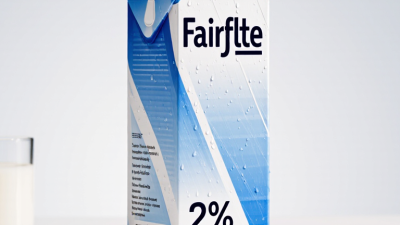
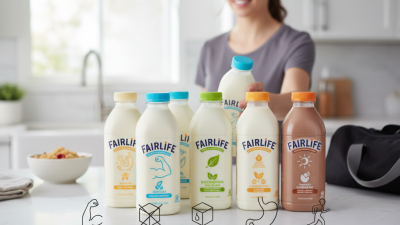
For global buyers, the fairlife milk nutrition label is more than a panel of numbers. It is a practical tool for comparing protein, sugar, calcium, serving size, and market-specific claims. These details matter when a carton moves from a supermarket shelf in Chicago to a procurement spreadsheet in Singapore.
The FDA’s Nutrition Facts label research supports clearer serving information and added-sugar disclosure. The USDA Economic Research Service also tracks continuing consumer interest in protein-rich dairy products. However, international buyers should not assume that one label answers every question. Formulas, package sizes, fortification rules, and required declarations may differ across markets. Small print can create large misunderstandings.
Dr. Susan Mayne, former director of the FDA’s Center for Food Safety and Applied Nutrition, said, “The updated label makes it easier for consumers to make informed choices.” Her observation applies directly here. A useful review should connect the label with technical specifications, certificates, allergen documentation, and current regulatory requirements. It should also verify the exact fairlife product, not rely on brand-level assumptions.
The numbers deserve scrutiny.
A buyer may notice high protein and reduced sugar, then overlook serving-size differences. That is an easy mistake. Nutrition comparison becomes more reliable when values are converted into consistent units and checked against the product’s official documentation. This introduction examines how the fairlife milk nutrition label can support responsible sourcing decisions, while acknowledging an uncomfortable limitation: label clarity does not automatically prove product suitability for every country, consumer group, or distribution channel.
What Is Fairlife Milk and Why Does Its Nutrition Label Matter?
What Is Ultra-Filtered Milk and Why Does Its Nutrition Label Matter?
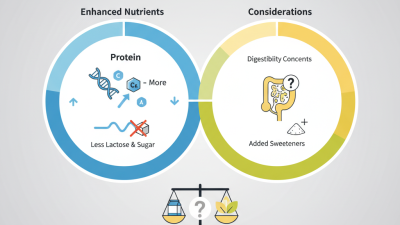
Ultra-filtered milk passes through fine membranes that separate water, lactose, minerals, and milk proteins. This process can produce more protein with less sugar per serving. However, the label—not the marketing claim—should guide purchasing decisions.
USDA FoodData Central reports that ordinary whole milk contains about
3.15 grams of protein and
5 grams of sugar per 100 grams. Many filtered milk products show approximately
13 grams of protein and
6 grams of sugar per 240-milliliter serving. Serving sizes differ, though. Global buyers should convert every figure to 100 milliliters or 100 grams before comparing suppliers.
Small print matters.
USDA FoodData Central
3.15 grams of protein
5 grams of sugar per 100 grams
Many filtered milk products
13 grams of protein
6 grams of sugar per 240-milliliter serving
The calcium line also deserves attention. The U.S. FDA Daily Value for calcium is
1,300 milligrams. A product providing
300 milligrams per serving offers roughly
23% of that value. Check protein sources, added ingredients, refrigeration requirements, and shelf-life testing. Lactose-reduced does not always mean lactose-free. That distinction can affect consumer suitability and import documentation.
In procurement work, I would request the full laboratory specification, not only a sales sheet. Independent testing can verify protein, sugar, calcium, and microbiological results. Nutrition labels are useful, but they are not perfect. Processing may change texture, taste, and environmental impact. Buyers should question unusually high claims and compare several production batches.
How to Read the Fairlife Milk Nutrition Facts Panel
How to Read a Milk Nutrition Facts Panel for Global Buyers
A nutrition facts panel deserves careful reading before any purchase decision. Start with the serving size, not the large front label. A carton may list 240 milliliters per serving, while another uses 250 milliliters. Compare equal volumes before judging calories, protein, or sugar. Check servings per container too. A family-sized bottle can contain several servings.
Look at calories, protein, total fat, saturated fat, and carbohydrates. Sugar deserves closer attention. Separate total sugars from added sugars when the panel provides both figures. Lactose naturally occurs in milk, while added sweeteners can change the product’s nutritional profile. Protein values may help buyers assess meal use, sports nutrition, or school supply needs. Calcium and vitamin D also matter, but their units can differ across markets. Convert milligrams and international units carefully.
In procurement work, I once focused too much on protein and missed the serving-size difference. That comparison was misleading. Small details matter. Check allergens, ingredient order, storage instructions, and the manufacturing date. Country-specific labels may use different daily value percentages. Ask the supplier for a current product specification, laboratory report, and clear package images. Do not rely on an old catalog file. Label information can change. When figures seem inconsistent, pause and verify them with the supplier or an independent food professional. unerquicklich
Key Nutrients in Fairlife Milk for Global Buyers
When global buyers assess a filtered milk product, the nutrition panel deserves more attention than front-label claims. Protein is often the practical starting point. A higher figure can support school meals, sports nutrition, and convenient breakfast formats. Check grams per serving, not only the percentage daily value. Serving sizes vary across markets, so direct comparisons can become misleading. Calcium and vitamin D matter for bone-health positioning. Still, fortification levels may differ by country. Request the local specification sheet.
Sugar needs careful reading. Some products contain naturally occurring milk sugar, while flavored versions may include added sugar. The label should separate total sugars from added sugars where regulations require it. Lactose content also deserves attention for buyers serving sensitive consumers. Reduced lactose does not mean suitable for every dietary need. Fat, saturated fat, and sodium help determine the product’s place in retail or food-service menus. A lower-fat option may fit some purchasing goals, but texture can change. That trade-off is easy to overlook.
In my label checks, I compare the nutrition panel with the ingredient list, allergen statement, and laboratory certificate. This routine catches inconsistencies before shipment. Yet no label review is perfect. Values can shift slightly because of formulation, testing methods, or rounding rules. Chinese importers and other global buyers should verify units, claims, shelf-life conditions, and permitted nutrient statements with qualified local experts. Do not assume one market’s daily values apply everywhere. A clear record of batch data makes supplier discussions more reliable.
How Fairlife Milk Labels Meet International Standards
For global buyers, a milk nutrition label must communicate more than calories and protein. It should present values per 100 milliliters and per serving when required by the destination market. This makes comparisons easier across countries. Energy should use clear metric units, while fat, carbohydrate, sugar, and protein values need consistent rounding. Small details matter.
A reliable label also identifies ingredients in descending order, milk allergens, net volume, storage conditions, production dates, and lot information. These elements support traceability during customs checks and warehouse inspections. Codex guidance can provide a useful reference, but national rules may differ in language, font size, nutrient claims, and date formatting. Buyers should confirm the final artwork with local regulatory specialists.
In practical purchasing reviews, I compare the label with laboratory results and the product specification sheet. The numbers should match, though minor variations can occur through approved rounding or seasonal milk changes. No label is perfect. A familiar format can still confuse buyers if serving sizes look unusually small. Claims such as “high protein” also require careful legal verification in each market. Translation quality deserves equal attention; one inaccurate term can change the meaning of an allergen statement or storage instruction.
Comparing Fairlife Milk Nutrition Labels Across Markets
Comparing filtered milk nutrition labels across markets requires more than reading the front panel. Serving sizes can change the entire impression. A United States label may use 240 millilitres, while many European labels emphasize values per 100 millilitres. Canadian packages often show household measures beside metric amounts. A larger serving can make protein appear higher.
I compare calories, protein, total sugar, fat, calcium, and vitamin D in the same volume. Protein is especially useful for buyers checking satiety or sports nutrition. Total sugar needs closer inspection. It may include naturally occurring lactose, not only added sugar. Ingredient lists also reveal differences in filtration, fortification, stabilizers, or flavoring. The details matter.
Regional rules influence rounding and nutrient claims. Some markets permit statements such as “high protein” under specific thresholds. Those thresholds are not always identical. I once compared two cartons without adjusting their serving sizes. The result looked convincing, but it was inaccurate. A spreadsheet fixed part of the problem. Not everything.
Packaging language can also hide practical differences. Check whether calcium is listed in milligrams, a percentage value, or both. Confirm the reference intake used for that percentage. Refrigerated products may have different shelf-life expectations across countries. Buyers should verify the local label, current formulation, and import documentation before making a purchasing decision. Nutrition panels are useful evidence, but they are not the whole product story.