What Are the Top Cottage Cheese Nutrition Benefits in 2026?
Cottage cheese is returning to the nutrition conversation, driven by higher-protein eating and practical, affordable meals. The International Food Information Council’s 2024 Food & Health Survey found that 71% of Americans try to consume protein. Market research reports also identify protein-focused diets as a major force behind cultured dairy growth. Yet popularity is not proof of perfection. A closer look is needed.
USDA FoodData Central lists about 203 calories and 27 grams of protein in one cup of low-fat, 2% cottage cheese. That same serving provides calcium, phosphorus, and vitamin B12, nutrients linked with bone health and normal energy metabolism. The texture is thick and slightly lumpy, but it works on toast, beside sliced peaches, or blended into a smooth dip. Small details matter. A plain version can be surprisingly salty, with roughly 900 milligrams of sodium per cup. Product labels vary widely.
Protein researcher Dr. Stuart Phillips has emphasized that protein supports muscle maintenance, particularly as people age. That perspective helps explain cottage cheese nutrition’s appeal, but it should not become a miracle-food claim. Individuals with lactose intolerance, milk allergies, kidney disease, or sodium restrictions may need different choices. This guide will examine protein quality, calcium content, satiety, calories, ingredients, and realistic serving ideas. The evidence is promising, though not flawless. A balanced diet still matters more than one convenient tub.
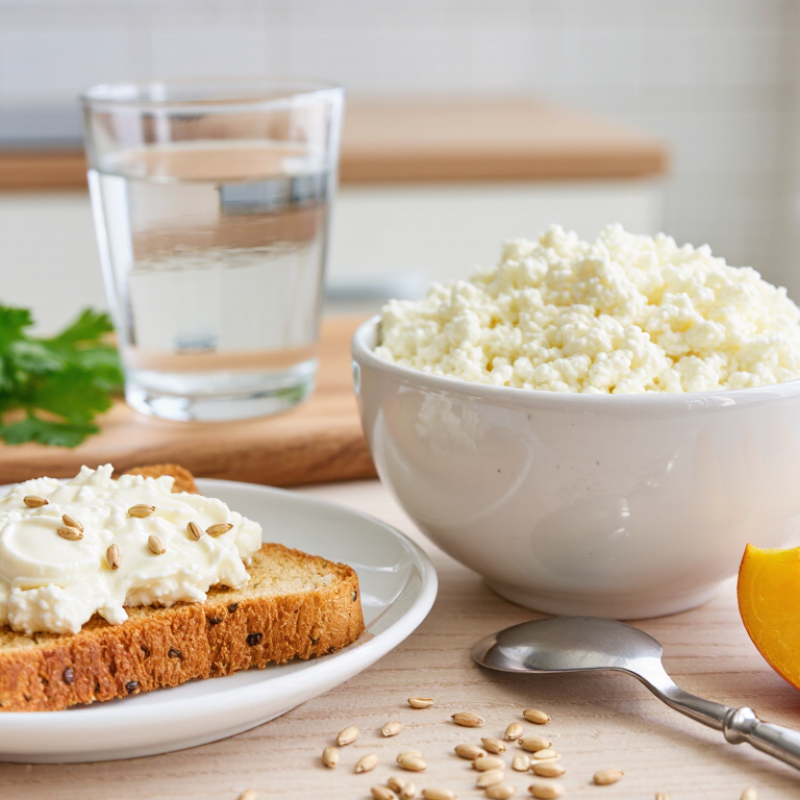
Cottage Cheese Nutrition Profile: 28 g Protein per Cup (USDA)
What Are the Top Cottage Cheese Nutrition Benefits in 2026?
Cottage Cheese Nutrition Profile: 28 g Protein per Cup (USDA)
A one-cup serving of low-fat cottage cheese provides approximately 28 grams of protein, according to USDA FoodData Central. That is a substantial amount for a small bowl. Protein supports muscle maintenance, tissue repair, and normal immune function. The National Academies lists 0.8 grams of protein per kilogram of body weight as the adult daily reference intake. Active adults may need more, depending on training, age, and health status.
Cottage cheese also supplies calcium, phosphorus, vitamin B12, and riboflavin. These nutrients help support bones, red blood cells, and energy metabolism. Its casein protein digests relatively slowly, which may help make breakfast or an evening snack feel more filling. Try it with sliced peaches, cracked pepper, or whole-grain toast. The texture is not for everyone.
Nutrition values can change by fat level, serving size, and preparation. USDA entries show that sodium may be considerable, sometimes exceeding 700 milligrams per cup. That matters for people following sodium-conscious eating patterns. Check the package label rather than trusting a generic database entry. I also would not call 28 grams a guaranteed number; recipes and curd moisture can shift it. That small uncertainty deserves attention.
What Are the Top Cottage Cheese Nutrition Benefits in 2026? - Cottage Cheese Nutrition Profile: 28 g Protein per Cup (USDA)
Approximate nutrition and potential benefits of 1 cup (226 g) of low-fat 2% cottage cheese
| Nutrition Dimension | Approximate Amount per Cup | Potential Nutrition Benefit | Practical Note |
|---|---|---|---|
| Calories | Approximately 203 kcal | Provides moderate energy while supplying substantial protein and minerals. | Fits easily into meals or snacks, depending on individual calorie needs. |
| Protein | Approximately 28 g | Supports muscle maintenance, tissue repair, and satiety. | A convenient high-protein option for breakfast, snacks, or post-exercise meals. |
| Total Fat | Approximately 5 g | Provides energy and helps carry fat-soluble nutrients. | Low-fat versions contain less fat than regular or full-fat cottage cheese. |
| Saturated Fat | Approximately 3 g | Can be included within a balanced eating pattern. | Compare labels when limiting saturated fat or choosing lower-fat dairy foods. |
| Carbohydrates | Approximately 8 g | Supplies a modest amount of carbohydrate, including naturally occurring milk sugar. | Unsweetened cottage cheese generally contains less sugar than flavored varieties. |
| Sugars | Approximately 6 g | Mostly lactose naturally present in milk. | People with lactose intolerance may need to monitor portion size and personal tolerance. |
| Calcium | Approximately 227 mg | Helps support bones, teeth, muscle contraction, and normal nerve function. | Provides roughly 17% of the Daily Value for calcium. |
| Phosphorus | Approximately 303 mg | Contributes to healthy bones and teeth and helps the body produce energy. | Dairy foods are naturally useful sources of phosphorus. |
| Vitamin B12 | Approximately 1.4 mcg | Supports red blood cell formation and normal nervous-system function. | Provides a meaningful amount of vitamin B12 in a vegetarian-friendly dairy food. |
| Riboflavin (Vitamin B2) | Approximately 0.4 mg | Helps convert food into usable energy and supports normal cellular function. | Milk-based foods are established dietary sources of riboflavin. |
| Sodium | Approximately 918 mg | Sodium supports fluid balance, nerve signaling, and muscle function. | This amount can be high; choose a lower-sodium option when appropriate and check the Nutrition Facts label. |
| Potassium | Approximately 251 mg | Supports normal muscle contraction, nerve function, and fluid balance. | Pair with fruit or vegetables for a broader nutrient profile. |
| Protein Quality | Complete dairy protein | Contains all nine essential amino acids needed from the diet. | Useful for adding high-quality protein to meals without relying on meat. |
| Serving Flexibility | 1 cup = approximately 226 g | Can be used in both sweet and savory meals. | Combine with berries, vegetables, whole grains, herbs, or spices according to dietary preferences. |
Values are approximate and based on generic low-fat 2% cottage cheese data from USDA FoodData Central. Nutrition can vary by fat level, preparation, serving size, and sodium formulation. Daily Value references are based on a 2,000-calorie diet.
Related Posts
-
China Best Cottage Cheese Nutrition Facts for Healthy Eating Choices?
-
10 Best Cottage Cheese Nutrition Facts for Buyers
-
2026 How to Choose the Best Ultra Filtered Milk for Your Diet?
-
2026 Best Ultra Filtered Milk Options for Health Conscious Consumers?
-
How to Choose the Best Fairlife Ultra Filtered Milk for You?
-
How to Understand Low Fat Milk Nutrition for a Healthier Lifestyle