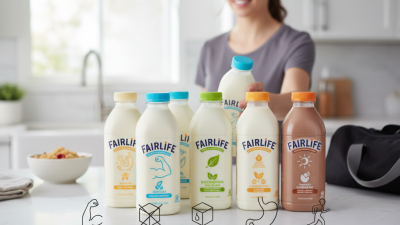
Top Fairlife Ultra Filtered Milk Wholesale Suppliers?
Finding reliable fairlife ultra filtered milk wholesale suppliers requires more than comparing case prices. Buyers must examine product availability, shipment conditions, minimum order quantities, and delivery coverage. A low quote can lose its value when refrigerated freight arrives late. Temperature matters.
Dr. David M. Barbano, a recognized dairy-processing researcher, offers a useful reminder: “Ultrafiltration does not replace quality milk; it concentrates it.” This principle helps buyers assess supplier claims with greater care. A dependable wholesaler should explain how the milk is handled before processing, during storage, and throughout transportation. Clear lot information, expiration dates, and documented cold-chain procedures also deserve attention.
This guide will examine wholesale suppliers serving grocery retailers, cafés, schools, foodservice operators, and regional distributors. It will compare purchasing flexibility, shipping reach, packaging formats, and customer support. Some suppliers may provide attractive volume discounts but limited delivery zones. Others may offer stronger logistics but higher minimum orders. The market is not perfectly transparent. Details can change by region.
Buyers should also confirm whether fairlife ultra filtered milk is available through authorized channels and whether the supplier can support recurring demand. One missed delivery can disrupt an entire refrigerated display. Still, no supplier is ideal for every business. The best choice depends on sales volume, storage capacity, delivery frequency, and local customer preferences. Careful verification remains necessary, even when a supplier appears established.

Fairlife Ultra-Filtered Milk: Product Overview and Key Features
Ultra-filtered milk is processed through fine membranes that separate water, lactose, minerals, and milk proteins. The result is a smoother product with concentrated protein and reduced sugar per serving. USDA FoodData Central lists regular milk at roughly 8 grams of protein and 12 grams of naturally occurring sugar per cup. Ultra-filtered formulas can differ, so buyers should inspect each specification carefully. Some products include added vitamins, while others rely mainly on natural milk nutrients.
For wholesale purchasing, key features include cold-chain reliability, package stability, and consistent nutritional labeling. FDA Nutrition Facts guidance requires declared serving sizes, sugars, protein, and major allergens. A supplier should provide current laboratory reports, lot tracking, and documented temperature controls. Storage details matter. A carton arriving warm can lose commercial value quickly. Retailers may also prefer resealable bottles, longer refrigerated shelf life, and clear case-pack information. These details affect handling costs more than many buyers expect.
Protein content attracts fitness, school, and convenience-focused customers. Reduced lactose may improve appeal, but it does not guarantee suitability for every consumer. Buyers should avoid treating “lactose-free” and “lactose-reduced” as identical claims. That distinction matters. Supplier comparisons should include delivered cost, minimum order quantities, pallet configuration, and regional freight coverage. Industry demand reports often show continued interest in high-protein dairy, yet market forecasts are not promises. I would test a small shipment first. Forecasts can miss local buying habits, seasonal demand, and refrigeration limits.
Fairlife Ultra-Filtered Milk: Product Overview and Key Features
Representative nutrition comparison per 240 mL serving. Ultra-filtered milk commonly provides more protein and less sugar than conventional milk, while calcium remains comparable or higher. Exact values vary by fat level and formulation.
Ultra-filtration separates milk components through a fine membrane, concentrating protein and reducing lactose-containing sugar. For wholesale evaluation, buyers should also verify serving size, fat percentage, shelf life, cold-chain requirements, and packaging format.
How to Evaluate Wholesale Suppliers for Fairlife Milk
When evaluating wholesale suppliers for ultra-filtered milk, begin with product control, not a low quoted price. Ask for a current specification sheet, ingredient statement, nutrition panel, and documented processing method. The supplier should identify pack size, case count, minimum order, and remaining shelf life at delivery. Request recent lot information. Clear answers show operational discipline. Vague promises deserve caution.
Cold-chain performance matters. Confirm storage and transport temperatures, monitoring equipment, delivery windows, and contingency plans for delays. Ask how damaged cases, temperature excursions, and recalls are recorded. Review food-safety certifications, facility inspection records, liability insurance, and traceability procedures. A credible supplier can provide verifiable documents without pressure. Check whether certificates match the shipping entity and warehouse address.
Compare landed cost, not just unit price. Include freight, fuel adjustments, storage, minimum-order fees, and possible spoilage. Request a small commercial sample or pilot shipment when permitted. Examine seals, carton condition, dates, flavor, and consistency on arrival. I would also call two existing customers, though references can be selective. That weakness matters. Keep written records of every claim, revision, and delivery issue before signing terms. Evaluate communication after the sale, because responsive support often protects margins better than a discount.
Leading Supplier Types and Purchasing Channels
Wholesale buyers should begin with supplier type, not a product search box. Large dairy processors often provide ultra-filtered milk in pallet quantities, consistent specifications, and scheduled deliveries. Regional dairy cooperatives may offer flexible case volumes and stronger access to independent farms. Specialty food distributors can simplify mixed orders, but their margins may raise landed costs. USDA’s 2023 Milk Production, Disposition, and Income report recorded approximately 226 billion pounds of U.S. milk production, showing the scale available to qualified commercial buyers.
Purchasing channels differ in control and risk. Direct processor contracts usually support better pricing, production forecasts, and custom pack sizes. Distributor platforms offer faster ordering and broader logistics coverage, especially for restaurants, schools, and retailers. Foodservice buying groups can improve bargaining power, although minimum-volume rules deserve close review. USDA Agricultural Marketing Service Dairy Market News provides weekly dairy market information that buyers can use when comparing quotations and contract timing. Check it before negotiating.
Request a current specification sheet. Verify protein content, filtration claims, shelf life, cold-chain temperatures, pallet configuration, and recall procedures. A supplier may quote an attractive case price while adding fuel, storage, or accessorial charges. That mistake is common. Also compare delivered cost per liter, not invoice price alone. Some buyers overestimate demand during launch periods, leaving short-dated inventory. A conservative first order, supported by sales data, is often more reliable than a large discount. Circana retail measurement data can help validate category velocity, but regional results may not match your store network. Test the assumption.
Wholesale Pricing, Minimum Orders, and Delivery Considerations
Wholesale buyers should compare ultra-filtered milk by landed cost, not case price alone. In practice, quotes often separate product, refrigerated freight, fuel surcharges, and accessorial fees. USDA Agricultural Marketing Service data placed the 2024 Class III milk average near $18.50 per hundredweight. That figure is only a raw-milk benchmark. Filtration, labor, packaging, and cold storage can materially increase the finished wholesale price.
Minimum orders commonly range from several cases to one full pallet. Larger commitments may unlock better pricing, but they can create unnecessary waste. Review case count, pallet dimensions, expiration dates, and payment terms before signing.
A single pallet can exceed a small retailer’s weekly demand. That is not always a bargain. Ask suppliers for tiered pricing at one, three, and five pallets. Compare the delivered cost per sellable unit, not the invoice total.
Tips: Request a temperature-controlled delivery record. The FDA Food Code uses 41°F as a cold-holding limit for many refrigerated foods. Confirm that the supplier monitors this point during loading and transit. USDA AMS Dairy Market News reports can help track changing dairy market conditions, but they do not replace a product-specific quote. Leave room for imperfect forecasts. Test one shipment first, inspect cartons on arrival, and measure actual shelf-life performance before increasing order volume.
Quality Checks, Storage Requirements, and Compliance Standards
When comparing wholesale suppliers of ultra-filtered milk, quality checks should begin before the shipment arrives. Ask for recent certificates of analysis, lot traceability, and documented pasteurization controls. A reliable supplier should explain protein testing, microbial screening, and packaging inspections clearly. Check that cartons are sealed, clean, and free from swelling or leaks. Confirm the use-by date and lot code during receiving. A quick visual check helps, but it is not enough.
Storage discipline protects both quality and compliance. Keep milk between 34°F and 38°F, unless the product label states another validated range. Use calibrated thermometers, not only a cooler display. Store cases away from walls and floors to support airflow and cleaning.
Record delivery temperatures and rotate stock by earliest expiration date. One missed reading can weaken an otherwise careful system. I have seen teams document temperatures well but overlook damaged outer cartons.
Tips:
Choose suppliers with food-safety plans, recall procedures, and verifiable audit records. Request evidence of HACCP-based controls and applicable dairy permits. Review allergen labeling, nutritional declarations, and language requirements for your sales region. Train staff to quarantine questionable cases instead of guessing. Keep records accessible for inspections. Requirements differ by jurisdiction, so confirm current rules with the relevant food authority or a qualified compliance professional. Some purchasing teams rely too heavily on reputation; that assumption deserves review.