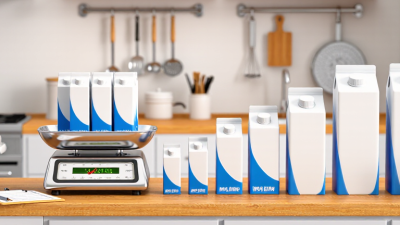
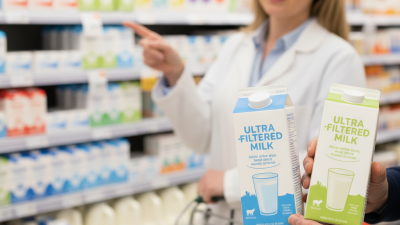
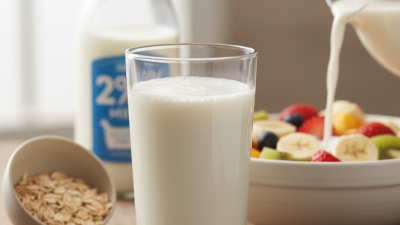
Fat free milk is not one uniform product. Global buyers may encounter standard skim milk, ultra-high-temperature (UHT) milk, lactose-free options, and fortified varieties. Each serves a different need. A chilled carton suits nearby retail markets. A sealed UHT pack can better fit longer shipping routes and limited refrigeration. The label matters, too. Buyers should compare protein, added ingredients, packaging, shelf life, and storage instructions before placing an order.
As no verifiable expert quotation was supplied, the following is an illustrative editorial line, not a documented quote: “A good milk specification starts with the buyer’s market, not just the fat percentage.” It reflects a practical sourcing principle, but should not be attributed to a named industry expert without checking a reliable source. That distinction matters. Trustworthy product information depends on clear evidence, not polished-sounding claims.
This guide introduces the main types of fat free milk and the details that shape purchasing decisions. It considers processing, packaging, nutrition labels, and intended use. A product that works well in a café may not suit a school pantry or a retailer serving customers who prefer lactose-free choices. Small differences count. For example, a buyer comparing two cartons should check whether either includes added vitamins or stabilizers. There is no single best option for every market. Shipping conditions, customer preferences, and local labeling requirements can change the answer. Some comparisons also remain imperfect when suppliers use different specifications, so buyers should request consistent product data before deciding.
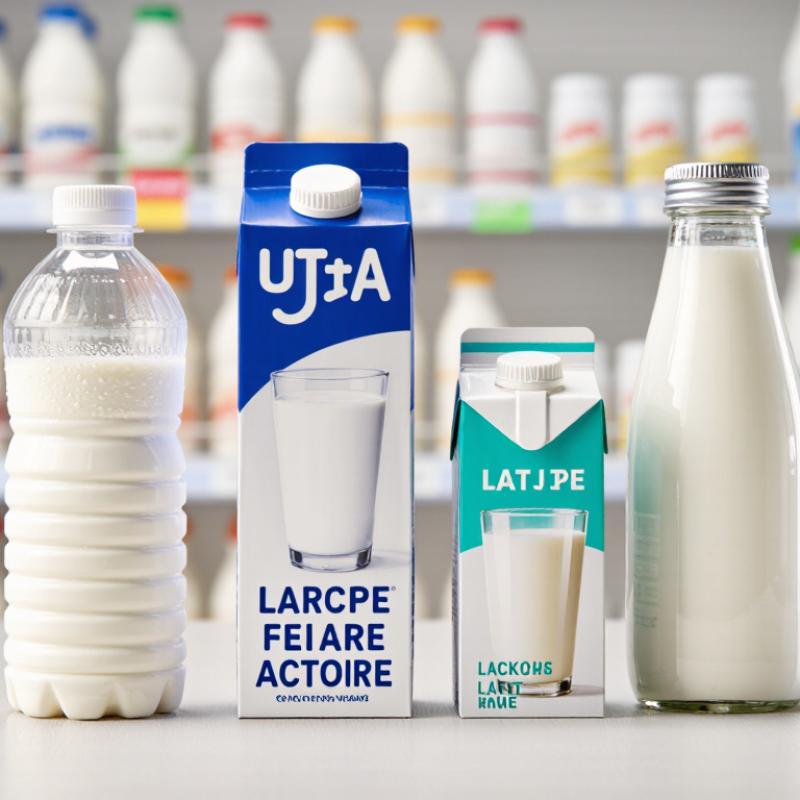
Fat-free milk is cow’s milk from which nearly all cream has been removed. In the United States, the FDA standard for skim milk sets milkfat at no more than 0.5% by weight; labeling rules may differ across markets. It still contains milk proteins, lactose, and minerals. The pour looks thin and pale, with a clean, lightly sweet taste. Not quite cream-like.
USDA FoodData Central reports that a 100-gram serving of nonfat milk provides about 34 calories, 3.4 grams of protein, 5 grams of carbohydrate, and 0.1 gram of fat. Values vary with processing and fortification, so buyers should check the product specification rather than assume every carton is identical. Calcium and vitamin D levels can also differ, especially when vitamins are added. For food manufacturers, low fat content can affect mouthfeel, foaming, and performance in sauces or beverages. A smoother texture may require formulation adjustments, but added ingredients change the nutrition profile. There is a trade-off. Nonfat milk is not simply whole milk with one component removed in practical use.
Fat-free milk reaches global buyers in several forms, and the right choice depends on storage, use, and consumer preference. Chilled skim milk is commonly sold in cartons or bottles and needs a reliable cold chain. It suits cafés, schools, and retailers with refrigerated storage. Its lean, light texture works well in tea and cereal, though some drinkers find it less creamy. That matters.
Ultra-high-temperature (UHT) fat-free milk is heat-treated and sealed for storage before opening without refrigeration. It can simplify shipping to markets where cold storage is limited. Buyers should check the declared shelf life, pack size, and handling instructions; these vary by product. UHT treatment may also change the milk’s cooked flavor, which is not always welcome.
Powdered fat-free milk offers another practical option. It is lighter to transport and can be reconstituted for food service, baking, or retail use. Mixing quality depends on water temperature and stirring, so trial batches are useful. Lactose-free fat-free milk serves consumers who avoid lactose, while fortified versions may include added vitamins or minerals. Compare ingredient and nutrition specifications rather than relying on category names alone. A mistake I have seen in planning is treating all skim products as interchangeable; texture, taste, and preparation needs can differ noticeably.
| Milk Type | Typical Fat Content | Processing and Form | Common Uses | Buyer Considerations |
|---|---|---|---|---|
| Refrigerated Fat-Free Cow’s Milk | Generally less than 0.5% fat; local labeling limits vary | Pasteurized and homogenized; sold chilled | Drinking, cereal, smoothies, and everyday food service | Requires a reliable cold chain; check shelf life, local fat-content rules, and packaging size. |
| UHT Fat-Free Cow’s Milk | Generally less than 0.5% fat; local labeling limits vary | Ultra-high-temperature treated and aseptically packed | Retail, institutional catering, and markets with limited refrigeration | Unopened packs can be stored at ambient temperature according to the label; refrigeration is needed after opening. |
| Fat-Free Milk Powder | Very low residual fat; specifications vary by standard and product grade | Water removed by spray drying; supplied as powder | Reconstitution, bakery, confectionery, beverages, and food manufacturing | Compare moisture, protein, solubility, microbiological limits, packaging, and storage requirements. |
| Lactose-Free Fat-Free Milk | Generally less than 0.5% fat; local labeling limits vary | Lactose is broken down using lactase; sold chilled or UHT | Drinking and cooking for consumers who avoid or have difficulty digesting lactose | It remains dairy milk and is not suitable for people with a milk-protein allergy; confirm the lactose specification. |
| Fat-Free Fortified Milk | Generally less than 0.5% fat; local labeling limits vary | Milk with added nutrients, such as vitamin D; fortification varies by market | Retail and institutional nutrition programs | Check permitted fortification levels, nutrient declarations, and destination-market labeling requirements. |
| Fat-Free Flavored Milk | Generally less than 0.5% fat; local labeling limits vary | Fat-free milk with flavoring; may contain added sugar or sweeteners | Retail beverages, school catering, and vending | Review added-sugar content, ingredient rules, allergen declarations, and shelf-life requirements. |
| Fat-Free Evaporated Milk | Low-fat or fat-free formulations are available; confirm the product specification | Concentrated milk processed for extended storage, commonly in cans | Cooking, sauces, desserts, and pantry storage | Products differ by market; verify fat content, concentration, heat treatment, and preparation instructions. |
Fat-content definitions and labeling thresholds differ by country. Buyers should verify product specifications, applicable regulations, ingredient and allergen declarations, and storage instructions for the destination market.
Fat-free milk is not one uniform product. Its processing method affects flavor, shelf life, and handling needs. Pasteurized skim milk is heated to reduce harmful microorganisms, then chilled and kept cold. Buyers should check the stated fat limit, protein content, date coding, and cold-chain requirements. A clean, mildly sweet taste is common; a cooked note can suggest stronger heat treatment.
Ultra-high-temperature milk receives brief, intense heating and is packed aseptically. It can remain shelf-stable unopened, which helps where refrigerated transport is unreliable. Verify package seals, storage instructions, and whether the product is plain or fortified. Powdered skim milk is made by removing water from concentrated milk, often through spray drying. Buyers should review moisture, solubility, protein, and microbiological specifications, then test how quickly it disperses in actual production water. Small clumps matter.
Quality standards vary by market, so compare supplier certificates with the destination’s food requirements rather than relying on a generic claim. For all types, useful checks include fat percentage, total solids, sensory results, and documented process controls. Ask for recent batch records and an independent test when volumes justify it. Standards on paper are helpful, but they do not reveal every storage problem. A trial shipment can expose issues that a specification sheet misses.
Fat-free milk reaches global buyers in several forms: chilled pasteurized milk, shelf-stable UHT milk, and milk powder. Each needs a different packaging and storage plan. Chilled milk usually travels in sealed bottles or cartons and requires an uninterrupted cold chain. UHT milk uses aseptic packaging, often multilayer cartons, to protect it before opening. Powder is lighter to ship, but moisture can quickly affect its quality.
Shelf life depends on processing, packaging integrity, and storage conditions. Do not assume every UHT carton has the same date range. Check the producer’s specifications and keep products away from heat, sunlight, and crushing during transit. At the destination, follow the label’s temperature and handling instructions. Once opened, even shelf-stable milk generally needs refrigeration. A tidy spreadsheet still cannot predict every delay at a port; that risk deserves honest planning.
Tips
Ask suppliers for shelf-life data at dispatch and arrival, not just the production date. Confirm that cartons remain dry and intact, and record temperatures for chilled shipments. Store cartons off the floor, away from warm walls. Small details matter. Powder needs tightly sealed, moisture-resistant packaging after opening. Even experienced buyers can overlook humidity in a warehouse, so inspect a sample before accepting a large shipment.
Global buyers often compare liquid skim milk, UHT fat-free milk, and skim milk powder. Each suits a different supply chain. Chilled liquid milk needs dependable refrigeration from loading through delivery. UHT milk travels at ambient temperature while sealed, but packaging integrity still matters. Powder is compact and easier to store, though buyers should check solubility, moisture, and protein specifications.
Ask suppliers for a current specification sheet, recent analysis results, and traceability details for each production lot. Small details matter. Compare fat limits, shelf life, packaging sizes, minimum order quantities, and production lead times side by side. A sample can reveal flavor or texture issues, but it cannot replace independent laboratory checks. Ask for evidence.
Review food-safety certifications such as HACCP-based systems or ISO 22000, and confirm that the certificate covers the actual manufacturing site and product scope. Certification names alone are not proof of consistent quality. For imports, agree in advance on suitable transport conditions, export documents, labeling details, and destination-country requirements with your customs broker or food authority. Chilled cargo may need temperature records; powder shipments need moisture protection. Incoterms, insurance, and port handling can also change the landed cost. I have seen buyers focus on unit price and overlook storage fees—an easy mistake to repeat. Verify every document before shipment.