Skip to content

Why Is Fairlife Whole Milk Nutrition So Popular?

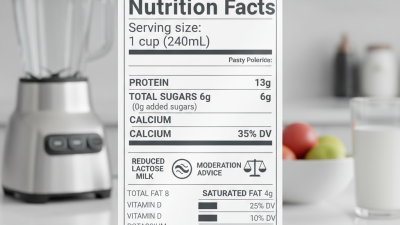
Why has fairlife whole milk nutrition become such a talking point? The appeal is easy to spot on a carton: Fairlife’s ultra-filtered whole milk lists 13 grams of protein and 6 grams of sugar per cup. For comparison, standard whole milk typically contains about 8 grams of protein and 12 grams of naturally occurring sugar per cup. Exact values can vary by product, so the nutrition panel is worth checking.

The difference comes from filtration, which concentrates milk protein and reduces some lactose. The result still has the creamy texture many people expect from whole milk. It is not a magic food. It is simply a different nutritional profile.

Nutrition scholar Marion Nestle has expressed a useful reminder: “There is no one best diet for everyone.” That idea helps keep the discussion grounded. Higher protein may suit someone seeking more protein in a glass, while the whole-milk fat content may not fit every preference or meal plan. One carton cannot settle that question.

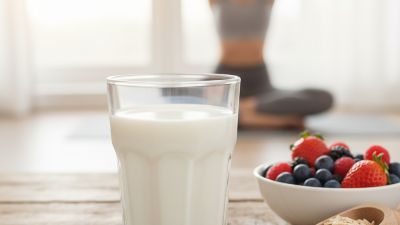
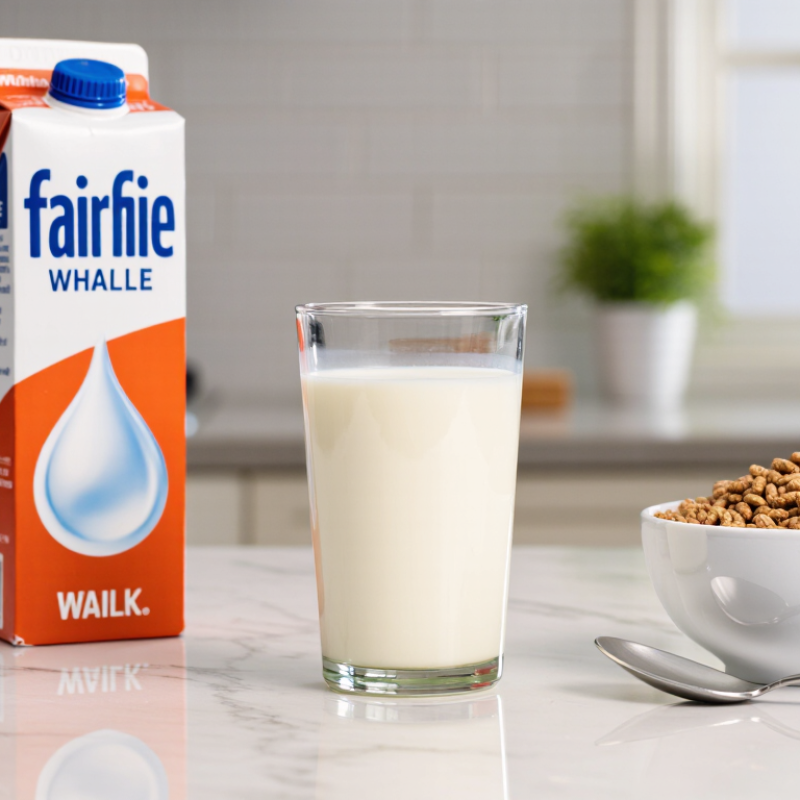
Taste matters, too. A chilled glass beside breakfast cereal feels familiar, though its mild sweetness may stand out. Some shoppers may also weigh price, availability, and how the milk fits their household’s routines. Those details are less exciting than a protein number, but they matter in real kitchens.

There is a small limitation worth admitting: nutrition numbers explain what is in the carton, not whether it is the right choice for you. Compare labels, consider your overall diet, and ask a qualified health professional when personal needs are involved. That is a more reliable way to understand fairlife whole milk nutrition than treating one impressive number as the whole story.
Why Is Fairlife Whole Milk Nutrition So Popular?

What Fairlife Whole Milk Is

Whole milk made through ultrafiltration is still dairy milk, but its liquid is passed through fine membranes before packaging. This process can concentrate milk proteins and reduce some lactose, depending on the product. The fat remains, giving it the creamy texture expected from whole milk. Think of the cool, slightly thick pour over cereal—not a protein shake. A useful distinction.

Nutrition varies by recipe and serving size. For comparison, USDA Agricultural Research Service FoodData Central lists standard whole milk at about 149 calories, 7.7 grams of protein, and 7.9 grams of fat per cup. Filtered versions may provide more protein per serving, so the package label is the reliable source for a specific carton. That detail matters. “Whole” describes the fat level, not a promise that every carton has identical nutrients. And higher protein does not automatically make a food better for everyone. People managing lactose sensitivity may also respond differently, even when a filtered milk contains less lactose. The label can be useful, but it cannot tell the whole story of how a food fits someone’s diet.

How Ultra-Filtration Shapes Its Composition

Ultrafiltration helps explain why some whole milks offer more protein and less sugar per cup than ordinary milk. A membrane separates milk components by size: much of the protein and fat stays in the stream, while water and some lactose pass through. The process concentrates nutrients; it does not make the milk naturally “better.” Formulas and labels differ.

USDA FoodData Central reports about 3.2 grams of protein and 3.3 grams of fat per 100 grams of standard whole milk. By comparison, some ultrafiltered products list roughly 13 grams of protein per cup, versus about 8 grams in regular milk. Lower sugar figures can reflect lactose removal and, in some products, added lactase. Check the carton: filtration steps and nutrition values vary. A thicker sip may feel satisfying, but texture alone proves little.

Tips: Compare serving sizes, protein, sugars, and saturated fat side by side. Choose chilled cartons with intact seals, and keep them refrigerated after opening. USDA figures describe typical foods, not every carton. That distinction matters.

Fairlife Whole Milk’s Nutritional Profile

A cup of ultra-filtered whole milk can offer more protein than conventional whole milk. A typical serving provides about 13 grams of protein, 8 grams of fat, and 6 grams of sugar. It also supplies calcium, which supports normal bone maintenance. Check the carton for exact amounts, since serving sizes and formulations can vary. Numbers matter.

The protein makes this milk filling in a practical way. It can go into oatmeal, coffee, or a smoothie without much fuss. The whole-milk fat gives it a creamy texture, but also adds saturated fat and calories. That trade-off deserves a glance, especially if you drink several cups daily. More protein does not automatically make a food the best choice for everyone. A person’s overall diet and health needs matter more than one nutrition panel.

Some versions are lactose-free, which may suit people who have trouble digesting lactose. Still, lactose-free does not mean allergen-free; milk proteins remain. I sometimes find nutrition comparisons oddly tidy: real portions are often poured by eye, not measured. Use the serving information as a guide, not a promise about what is in your glass.

Taste, Lactose Content, and Everyday Use

Whole milk appeals to many people because its richer texture makes a simple glass feel satisfying and gives coffee or oatmeal a creamy finish. Taste is personal, though. Some people find it too heavy, especially when chilled or paired with a rich meal. A useful nutrition baseline comes from USDA FoodData Central: one cup of standard 3.25% whole milk contains about 149 calories, 7.7 grams of protein, and 11.7 grams of carbohydrate. The carbohydrate is largely lactose, milk’s naturally occurring sugar. That detail matters.

Lactose content can shape everyday use. People who digest lactose poorly may experience discomfort after ordinary milk, while lactose-free options use the enzyme lactase to break lactose into simpler sugars. They can taste slightly sweeter. Small difference. For people who tolerate dairy, a cup with breakfast or after exercise is an easy way to add protein and energy; it is not automatically the best choice for every diet. Check the nutrition label, since filtering and serving sizes can change the numbers. One limitation: nutrition figures describe a typical product, not every carton on a shelf. For a personal lactose concern, a clinician or registered dietitian can offer better guidance than guesswork.

Why Is Fairlife Whole Milk Nutrition So Popular? - Taste, Lactose Content, and Everyday Use

Topic Typical information for whole milk What it means in everyday use
Serving reference 1 cup (about 244 g) A common serving size for nutrition comparisons; check the product label for its stated serving.
Calories About 149 calories per cup Useful to account for when adding milk to cereal, coffee, or a smoothie.
Protein About 7.7 g per cup Milk provides protein, but the amount can differ among products and serving sizes.
Total fat About 8 g per cup The fat contributes to whole milk’s creamy texture and fuller mouthfeel.
Carbohydrates and lactose About 12 g of carbohydrates per cup, mostly naturally occurring milk sugar (lactose) Lactose-free milk is made by breaking lactose into simpler sugars; it is still dairy milk and is not suitable for a milk allergy.
Taste Whole milk is generally richer and creamier than lower-fat milk. Lactose-free versions can taste sweeter because the lactose has been split into glucose and galactose, not because sugar must be added.
Calcium About 276 mg per cup in a typical reference entry Milk can contribute calcium to the diet; actual amounts vary by product.
Everyday uses Commonly served plain or used in cereal, coffee, cooking, and blended drinks. Choose regular or lactose-free milk according to personal tolerance and taste; refrigerate and follow the package instructions.

Nutrition values are approximate reference figures for whole milk and may vary by product, fortification, and serving size. Use the nutrition label for the specific milk you buy.

Factors Behind Its Popularity with Consumers

Consumers often choose ultra-filtered whole milk for a practical mix: familiar creamy taste, more protein per serving, and less lactose than regular milk. That combination suits coffee, smoothies, and a quick breakfast without requiring a new routine. Protein also has broad appeal: the 2024 International Food Information Council Food & Health Survey found that 71% of Americans were trying to consume protein. Still, that figure shows interest in protein, not a specific preference for this milk category.

Nutrition labels help explain the draw. USDA FoodData Central lists regular whole milk at about 7.7 grams of protein and 149 calories per cup; ultra-filtered versions can provide more protein, though amounts vary by product. The filtering process concentrates milk proteins and reduces some lactose. That matters.

For shoppers, a cold glass after practice or a splash in morning coffee can feel like an easy upgrade. Yet higher protein does not automatically mean better nutrition for everyone, and taste still counts. I find the creamy texture appealing, but the price can make it a less practical everyday choice.

Tips: Compare serving sizes and added sugars on the label, and check whether the protein fits your needs. If lactose bothers you, look for a clear lactose-free claim rather than assuming every filtered milk works for you.